
Plants
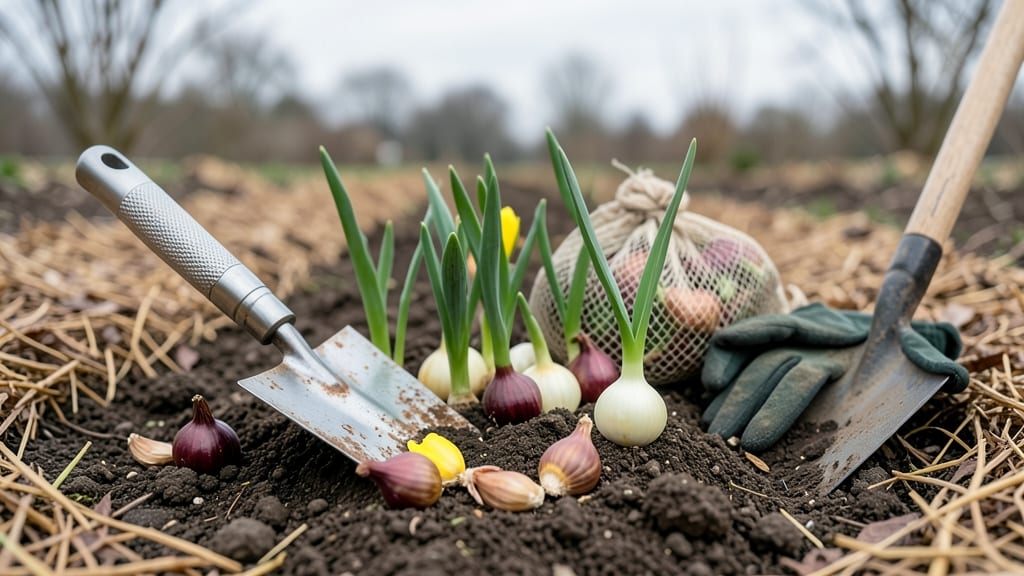
Timing your 🌷 tulip planting in North Carolina can make or break your spring blooms—get it wrong, and you’ll waste money on bulbs that never thrive.
The secret lies in understanding your USDA zone (most of NC falls in 7a-8a) and planting before the ground freezes, typically between October and December.
Why does this matter? Because tulips need a period of cold dormancy to bloom beautifully, and North Carolina’s variable frost dates—from early October in the mountains to late November in the Piedmont—mean one-size-fits-all advice won’t cut it.
Whether you’re in Raleigh, Charlotte, or Asheville, planting too early risks rot, while waiting too long can leave your bulbs dormant and unproductive.
In this guide, I’ll walk you through the exact frost-free window for your zone, soil prep tips to ensure drainage, and how to adjust for microclimates. You’ll also discover how to choose the right bulbs and care for them post-planting so they return year after year with vibrant color.
Let’s dive into the critical steps to guarantee your tulips bloom like clockwork next spring—no guesswork required.
North Carolina tulip planting calendar: exact dates for zones 7a & 7b
Planting tulips in North Carolina hinges on understanding your USDA Zone—most of the state falls into Zone 7a (0-5°F) or Zone 7b (5-10°F). The ideal window is 4-6 weeks before the ground freezes, typically between mid-October and mid-December.
In Zone 7a, aim for October 15–November 15, while Zone 7b gardeners have until November 15–December 1.
For Raleigh and the Piedmont region, the last frost usually hits mid-November, so plant by October 31 for safety. Asheville and the Mountains freeze earlier (late October), so rush by October 15. Charlotte and the Coastal Plain can stretch until November 15 due to milder winters.
Soil temperature is your best indicator. Tulip bulbs need 40–50°F soil to root before winter. Use a soil thermometer to check—plant when temps consistently drop below 60°F but haven’t yet hit freezing. This usually aligns with late October for most of NC.
Miss the window? Don’t panic. January planting is possible if the ground isn’t frozen, but blooms may be smaller or delayed. For reblooming varieties (like Darwin Hybrids), a late start can still yield second flushes in late spring.
| Zone & Location | Ideal Planting Window | Soil Temp Threshold | Last Frost Date |
|---|---|---|---|
| Zone 7a (Raleigh, Piedmont) | October 15–November 15 | 40–50°F | Mid-November |
| Zone 7b (Charlotte, Coastal Plain) | November 1–December 1 | 40–50°F | Late November |
| Zone 7a (Asheville, Mountains) | October 1–October 15 | 40–50°F | Late October |
| Late Planting (January) | January 1–15 (if ground isn’t frozen) | Above freezing | N/A |
Pro tip: Use a moon planting calendar for extra guidance. Planting during the waning moon (after a full moon) encourages deeper root growth, while the waxing moon promotes faster foliage development. For North Carolina, aim for the waning moon in late October for optimal results.
Need a backup? Potted tulips can be planted in containers with drainage holes and moved outdoors in spring. Choose dwarf varieties like 'Tiny Pink' (8–12 inches) for container gardening—these thrive in 5-gallon pots with well-draining soil.
Remember: Bulb quality matters. Buy firm, dry bulbs from reputable suppliers like Bare Root Nursery or Local NC garden centers. Avoid pre-sprouted bulbs—they’re more prone to rot in wet NC winters. Store them in a cool, dark place (like a garage) until planting day.
Once planted, mulch heavily with 3–4 inches of straw or shredded leaves to insulate bulbs from freeze-thaw cycles, which can damage emerging roots. Remove mulch in late winter (February) to allow foliage to photosynthesize for next year’s blooms.
🌷
5 Critical factors that determine perfect tulip planting time in NC
Planting tulips in North Carolina isn’t just about picking a month—it’s about understanding 5 key factors that dictate the ideal window. These variables ensure your bulbs get the cold dormancy they need while avoiding rot or dormancy issues.
Let’s break them down so you can time your planting like a pro.
First, soil temperature is non-negotiable. Tulip bulbs need the ground to be between 40°F and 60°F when planted. In NC, this typically aligns with October through mid-November, but soil warms faster in sandy soils (common in the Coastal Plain) than in clay-heavy soils (like those in the Piedmont).
Use a soil thermometer to confirm—planting too early in warm soil can trigger premature sprouting.
Frost dates are your next critical guide. Most of NC falls in USDA Zones 7a-8a, where the average first frost hits between mid-October (Mountains) and late November (Coastal). However, microclimates matter: Asheville’s higher elevation means earlier frosts, while Raleigh’s urban heat island effect can delay them. Aim to plant 4-6 weeks before your area’s first hard frost—this gives bulbs time to root before winter dormancy.
Bulb dormancy requirements often get overlooked. Tulips need 12-16 weeks of cold temperatures below 40°F to bloom properly. In Zone 7a, this cold period naturally occurs from December through March, so planting in late October or November ensures they’ll get enough chill time. If you live in a milder microclimate (like the Coastal Plain), consider pre-chilling bulbs in the fridge for 6-8 weeks before planting.
Rainfall and drainage can make or break your tulips. North Carolina’s fall is notoriously wet, especially in September and October. Planting too early in soggy soil leads to bulb rot. Amend heavy clay soils with compost or sand to improve drainage, and choose raised beds or slightly elevated spots if your garden holds water. A well-draining site is your best defense against bulb rot, which is the #1 reason tulips fail to bloom.
Finally, bulb quality and variety play a role in timing. Darwin Hybrid tulips (like ‘Apeldoorn’) are hardier and can handle later planting, while fringed or parrot tulips need earlier dates to establish roots.
Always buy certified disease-free bulbs from reputable suppliers, and check the packaging for specific planting dates—some varieties have stricter windows than others.
Master these 5 factors, and you’ll avoid the common NC planting mistakes that leave gardeners scratching their heads in spring. Next, we’ll dive into the mistakes to avoid—like planting too deep or ignoring soil prep—that can turn your tulip dreams into a bust.
| Factor | NC-Specific Guideline | Action Step |
|---|---|---|
| Soil Temperature | 40°F–60°F (Oct–mid-Nov) | Use soil thermometer; amend warm soils with compost. |
| Frost Dates | Zone 7a: Late Nov; Zone 8a: Dec | Plant 4–6 weeks before first frost; adjust for microclimates. |
| Cold Dormancy | 12–16 weeks below 40°F | Pre-chill bulbs if mild winters (Coastal NC). |
| Rainfall/Drainage | Wet Sept–Oct; clay soils common | Raise beds; add sand/compost to heavy soils. |
| Bulb Variety | Darwin Hybrids: Later; Parrot: Earlier | Check packaging; buy certified disease-free bulbs. |