
Plants
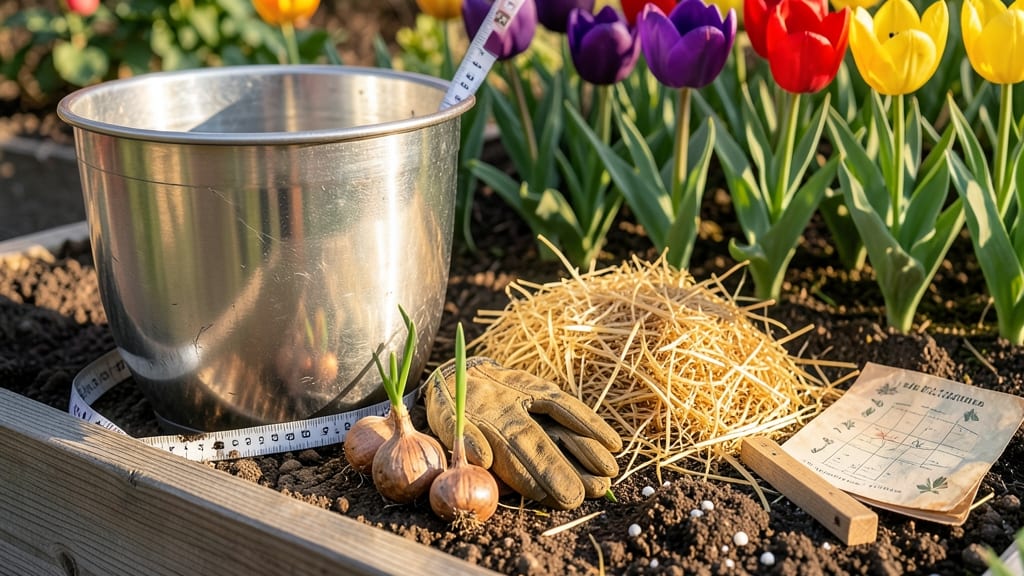
North Carolina’s ideal tulip bulb planting months by region
Timing your tulip bulb planting in North Carolina depends on your specific region, as NC spans USDA Zones 7a-8b with varying frost dates. The optimal window is typically October through November, but exact timing shifts from the Coastal Plain to the Mountains.
Plant too early, and bulbs may rot; too late, and they’ll fail to establish roots before winter.
North Carolina’s climate creates distinct planting zones: Coastal (warmer winters), Piedmont (moderate), and Mountains (colder). Each requires a tailored approach to ensure spring blooms appear on schedule. For example, Coastal gardeners can plant slightly later than Mountain growers, thanks to delayed frost.
| Region | USDA Zone | Planting Window | Soil Temp Threshold | First Frost Date |
|---|---|---|---|---|
| Coastal Plain | 8a-8b | Late October - Early November | 50-55°F (10-13°C) | Mid-November |
| Piedmont | 7b-8a | Mid-October - Mid-November | 45-50°F (7-10°C) | Late October - Early November |
| Mountains | 7a-7b | Early October - Early November | 40-45°F (4-7°C) | Mid-October |
🌷 Plant 4-6 weeks before ground freezes for best results
For Coastal NC, aim for late October to early November when soil temperatures drop to 50-55°F. This region’s milder winters allow a slightly later start. In the Piedmont, mid-October to mid-November works best, aligning with soil temps of 45-50°F.
Meanwhile, Mountain gardeners should plant early October to early November when temps reach 40-45°F.
Use your local frost date as a guideline: plant 6 weeks before the first expected frost. For example, if frost hits November 15th, plant by October 1st. Check the NC State Climate Office for your county’s historical frost data to fine-tune timing.
Soil temperature is critical—wait until it drops below 60°F (15°C) to prevent premature sprouting. Use a soil thermometer to monitor. If temps stay above 60°F for too long, bulbs may sprout early and freeze back in winter.
Adjust for microclimates like urban heat islands or shaded spots. These areas may require earlier planting (by 2-3 weeks) to match cooler surrounding soils. For containers, plant 2-3 weeks earlier than in-ground bulbs, as pots cool faster.
If you miss the fall window, you can plant in early winter (December) or even late winter (February), but expect smaller blooms. For spring planting, use chilled bulbs from a nursery or refrigerate them for 8-12 weeks before planting.
Pro tip: Mark your planting date on a calendar and note the bloom time (typically 4-5 months later). This helps you plan future plantings and extend your garden’s color season by staggering varieties.
North Carolina’s ideal tulip bulb planting months by region
North Carolina’s diverse climate—from the Coastal Plain’s mild winters to the Mountains’ chilly frosts—means your tulip planting window varies by region. In USDA Zones 7a-8b, timing is everything to avoid bulb rot or missed blooms. Let’s break down the exact months and soil conditions for each area.
For Coastal NC (Zone 8a-8b), your window is the longest: late September through mid-November. Warmer soils mean bulbs can establish roots faster, but don’t wait too late—plant by November 15th to avoid winter rains that can rot bulbs.
In Piedmont (Zone 7b-8a), aim for mid-October to November 1st when soil temps drop to 50-60°F.
| Region | Ideal Planting Window | Soil Temp Threshold | Key Deadline |
|---|---|---|---|
| Coastal (Zone 8a-8b) | Late Sept - Mid-Nov | 50-60°F | Nov 15 |
| Piedmont (Zone 7b-8a) | Mid-Oct - Nov 1 | 45-55°F | Oct 31 |
| Mountains (Zone 7a) | Early Oct - Late Oct | 40-50°F | Oct 20 |
Mountain gardeners in Zone 7a have the tightest window: early to late October. Soil must be 40-50°F and frost-free for at least 6 weeks after planting. Use a soil thermometer to check—bulbs need 4-6 weeks to root before winter sets in.
Pro tip: If you miss the fall window, early December is a backup for Coastal NC, but bulbs may bloom later. Never plant in spring—tulips need cold stratification to flower. For container gardeners, plant 2-4 weeks earlier than ground planting to account for faster soil cooling.
Check your local first frost date (usually mid-November in Piedmont, earlier in Mountains) and plant 6-8 weeks before. This ensures bulbs root deeply before winter. Use mulch after planting to insulate soil and protect tender roots.
Remember: Soil temperature, not calendar dates, determines success. If your soil stays above 60°F into November, bulbs may sprout too early and die in cold snaps. Test first! 🌷