
Companion Plants
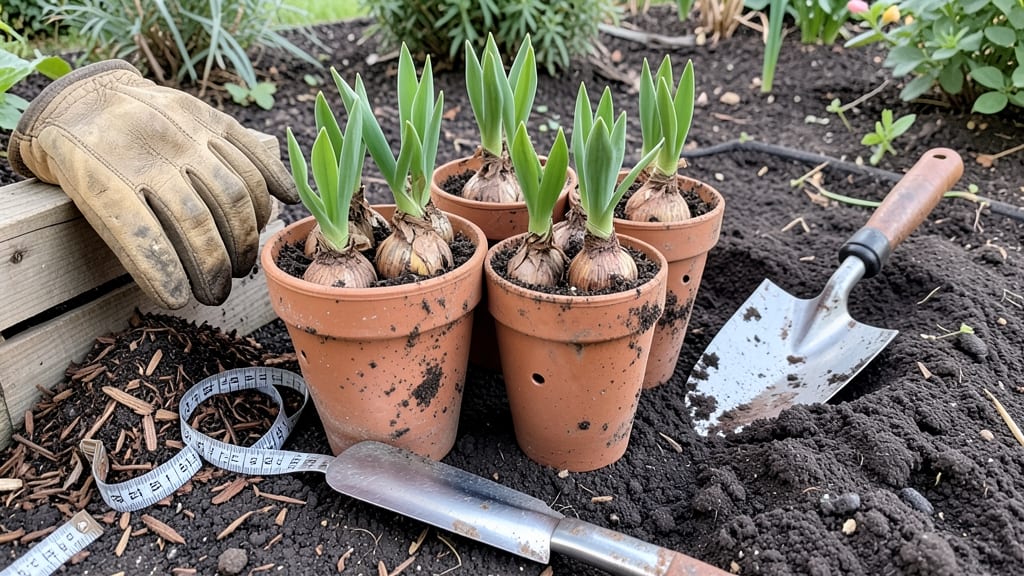
Timing when can I plant potted tulips in the ground is everything—especially when frost arrives sooner than expected. Whether you're in zone 6a or beyond, getting this right means the difference between vibrant stems and sad, shriveled petals.
I’ve planted hundreds of tulips over the years, and the key isn’t just about the calendar—it’s about reading your local frost dates, soil temps, and even the size of those bulbs. Miss the window, and you risk weak roots or worse, frozen plants before they’ve even settled in.
In this guide, I’ll walk you through the exact months to transplant potted tulips in your area, plus how to tell when your bulbs are truly ready for their new home. No more guessing—just clear, actionable steps to ensure your tulips thrive next spring.
From soil prep to post-planting care, you’ll learn how to give your tulips the best shot at survival—and a showstopping display of color. Let’s get those bulbs in the ground the right way.
Best months to plant potted tulips in ground by USDA zone
Planting potted tulips in your garden at the right time ensures strong roots before winter sets in. Fall planting is ideal for most regions, but timing varies by USDA zone and local frost dates.
In zones 3-5, aim for early September to late October, while zones 6-10 can extend planting until November. Spring planting is also possible in warmer zones (7-10) after the last frost.
Your tulips need 4-6 weeks to establish roots before the ground freezes. Check your local last frost date—planting too late risks bulb rot, while planting too early may cause premature growth. For example, in zone 6a, like many Midwest gardeners, September is perfect for fall planting.
Here’s how to match your zone to the best planting window:
| USDA Zone | Best Months | Key Timing Notes |
|---|---|---|
| 3-5 | Early September - Late October | Plant 6 weeks before first frost; soil temps should be 50°F or below. |
| 6-7 | Mid-September - November | Avoid planting after October 15; bulbs need root growth before winter. |
| 8-10 | September - December or March - April | Fall planting works year-round; spring planting is safe after last frost. |
If you’re unsure about your zone, use the USDA Plant Hardiness Zone Map to locate your area. For example, zone 8 gardeners in Southern California can plant tulips as late as December, while zone 4 gardeners in Minnesota should finish by early October.
Spring planting is riskier but works in mild climates. Wait until soil temperatures reach 50°F and the last frost date has passed. In zone 9, this could be as late as February, but in zone 6, it’s safer to wait until April.
Pro tip: Use a soil thermometer to confirm ground temps. Tulip bulbs thrive when soil is 50-60°F—any warmer, and they may sprout too early. In hot climates, plant in shade or use mulch to keep roots cool.
Regional exceptions apply: Coastal areas with milder winters (like zone 7b in Oregon) can plant later than inland zones. Always adjust for microclimates—shady spots freeze later, while sunny areas may need earlier planting.
For container-grown tulips, water deeply 24 hours before transplanting to reduce shock. This is especially critical in drought-prone zones (e.g., zone 9), where soil dries out quickly after planting.
After planting, mark your tulip beds with stakes or flags—spring blooms will arrive before foliage emerges, making them easy to spot for early cutting.
How to tell when your potted tulips are ready for transplanting
Transplanting potted tulips too early or too late can stunt their growth or even kill them. The key is watching for three critical signs: bulb maturity, leaf development, and soil conditions. When your tulips show these cues, they’re primed for their new garden home.
First, check the bulb size—mature tulip bulbs should be about 2-3 inches wide. Smaller bulbs need another season in pots to strengthen. If yours are already this size, they’re ready for transplanting, provided the weather cooperates.
Next, observe the leaf growth. Healthy tulips will have 4-6 inches of green foliage emerging from the bulb. This indicates they’ve stored enough energy to survive the transplant shock. Avoid moving them if leaves are still short or yellowing.
Finally, monitor soil temperature. Tulips thrive when soil is between 50°F and 60°F. Use a soil thermometer to confirm—cold soil can shock roots, while warm soil speeds up growth too quickly, making bulbs vulnerable.
🌱 Key Transplant Readiness Indicators
- 🌱 Bulb Size: 2-3 inches wide (ready for transplant)
- 🌿 Leaf Growth: 4-6 inches of healthy green foliage
- 🌡️ Soil Temp: 50°F-60°F (ideal for root establishment)
- ⏰ Timing: 4-6 weeks before first hard frost (fall) or after last frost (spring)
- 🌧️ Weather: No rain forecast for 24-48 hours post-transplant
One common mistake is transplanting when tulips are already flowering. Wait until after blooms fade—this ensures the bulb has redirected energy back into storage for next year’s growth. If you see buds forming, hold off until they’ve finished blooming.
Finally, avoid transplanting during extreme weather, like heatwaves or heavy rain. Choose a cool, overcast day to reduce stress on the bulbs. With these signs in mind, your potted tulips will thrive in their new garden spot.