
Trees
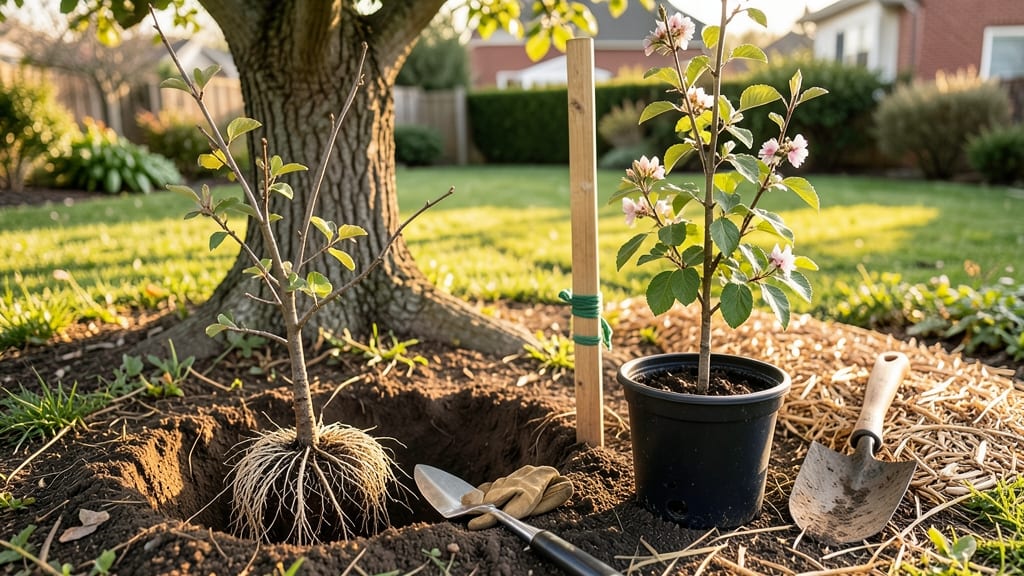
Timing the planting of your 🍎 apple tree in North Carolina could make or break your orchard dreams—one wrong move, and frost turns your sapling into a sad, icy souvenir.
Whether you're in the mountains, Piedmont, or coastal plains, getting those roots in the ground at the right moment means the difference between a thriving tree and one that struggles to survive.
Most gardeners know fall is prime time, but did you realize late winter works too? The key lies in understanding your specific USDA zone—whether you're in 6b or 8a
I’ll break down exactly when to plant based on your region, so you can dodge the frost bullets and give your tree the best shot at success. You’ll also discover how to prep your soil, whether to go for bare-root or container-grown trees, and which varieties handle North Carolina’s quirks best. From disease-resistant picks to the perfect planting window, I’ve got the inside scoop to help your 🍎 grow strong and fruit like crazy in just a few years. Ready to plant with confidence? Let’s dive into the frost-free timeline that’ll have your apple tree thriving—no guesswork required. Your future harvest starts now.
North Carolina frost-free zones and best planting months for apple trees
North Carolina's diverse climate—from the Coastal Plain to the Mountain region—creates unique challenges for apple tree planting. The state spans USDA Hardiness Zones 5b to 8a, meaning frost dates vary dramatically.
In the Coastal Plain (Zone 8a), last frosts arrive by March 15, while Mountain regions (Zone 6b) can see frost until May 1. Planting at the wrong time risks frost damage or poor root establishment.
Apple trees thrive when planted during their dormant season, either in late fall (October-November) or early spring (February-April). Fall planting gives roots time to establish before winter, while spring planting avoids winter heaving.
The key is aligning with your local last frost date and the tree's chilling hour requirements (typically 500-1,000 hours below 45°F).
Here’s how North Carolina’s regions break down for optimal planting:
| Region | USDA Zone | Last Frost Date | Best Planting Window | Chilling Hours Needed |
|---|---|---|---|---|
| Coastal Plain (e.g., Wilmington) | 8a | Mid-March | November 1–December 15 | 300–500 hours |
| Piedmont (e.g., Raleigh) | 7b | Late March | October 15–November 30 | 500–700 hours |
| Mountains (e.g., Asheville) | 6b | Early May | February 15–April 15 | 700–1,000 hours |
For Coastal NC, focus on low-chill varieties like 'Anna' or 'Ein Shemer', which need fewer chilling hours. In the Piedmont and Mountains, traditional varieties like 'Gala' or 'Honeycrisp' thrive with their higher chilling needs.
Always check your local frost dates using the NC State Climate Office or Almanac for precision.
Bare-root trees should be planted as soon as possible after purchase (they’re dormant but vulnerable to drying). Container-grown trees offer more flexibility—plant them in fall or early spring while soil temps are above 40°F.
Avoid planting in summer heat, as stress from transplanting can kill young trees before they establish.
Soil temperature is critical: aim for 45–60°F at planting depth (6 inches). Use a soil thermometer to check—cool soil in Mountain regions may delay spring planting until late March or April. In Coastal NC, where winters are milder, early November planting is ideal to avoid root shock before winter.
Pro tip: If you miss the fall window, don’t panic—just wait for spring’s last frost and plant bare-root trees immediately. For container-grown trees, spring planting works year-round, but early spring gives roots the longest growing season to establish before winter.
One common mistake? Planting too early in fall when soil is still warm. Roots need cool temps to harden off for winter. Similarly, planting too late in spring risks late frosts damaging new growth. Always plant 4–6 weeks before your average last frost date for safety.
🌱
How to time your apple tree planting for maximum success in NC
Timing your apple tree planting in North Carolina isn’t just about picking a month—it’s about understanding your local microclimate, soil temperatures, and whether you’re planting bare-root or container-grown trees.
I’ve learned that even a week too early or late can stress young roots, making them vulnerable to frost or drought. Let’s break down the best strategies to ensure your apple trees take root strong and healthy.
First, check your soil temperature—it should be consistently above 40°F (4°C) before planting. In North Carolina’s Coastal Plain, this usually happens by mid-February, while in the Mountains, wait until late March.
Cold soil can stunt root growth, so always test with a soil thermometer. I recommend planting when the ground is workable but not soggy, which is often right after the last hard frost.
For bare-root trees, the ideal window is late winter to early spring (February–April). These trees enter dormancy naturally, so planting them while they’re still dormant gives roots time to establish before the growing season.
If you’re planting container-grown trees, you have more flexibility—they can go in during fall (October–November) or early spring, as long as the soil isn’t frozen.
- 🌱 Soil Prep: Loosen soil to 12 inches deep and mix in compost for nutrients. Apple trees love well-draining soil with a pH of 6.0–7.0.
- 📅 Moon Phases: Plant during the waxing moon (just after the new moon) to boost root growth. Check a lunar planting calendar for your region.
- 💧 Watering: Water deeply immediately after planting to eliminate air pockets. Mulch with 3–4 inches of wood chips to retain moisture.
- ☀️ Sunlight: Choose a spot with 6+ hours of full sun. Avoid low-lying areas where cold air pools and frost lingers.
- ✂️ Pruning: Trim any damaged branches at planting, but avoid heavy pruning—save that for late winter when the tree is dormant.
After planting, focus on root establishment before winter. Young apple trees need consistent moisture, so water deeply once a week during dry spells. In North Carolina’s Piedmont region, where summers are hot and humid, mulch heavily to prevent soil from drying out.
I’ve found that drip irrigation systems work wonders for keeping roots hydrated without wetting the foliage, which can lead to fungal diseases like apple scab.
If you’re planting in fall (October–November), choose disease-resistant varieties like ‘Akane’ or ‘Liberty’, which handle NC’s humidity better. Fall-planted trees benefit from cooler temps, which reduce transplant shock. Just be sure to water thoroughly before the first frost—this helps roots absorb moisture before the ground freezes.
One mistake I’ve seen gardeners make is planting too late in spring. By May, the growing season is well underway, and late-planted trees struggle to establish roots before summer heat sets in.
If you miss the ideal window, opt for container-grown trees, which adapt better to delayed planting. Just give them extra care with regular watering and shade cloth during the first summer.
Remember, the key to success is patience. It takes 1–2 years for apple trees to fully establish their root systems. During this time, focus on soil health, proper watering, and minimal stress—your future harvest depends on it! 🍏