
Plants
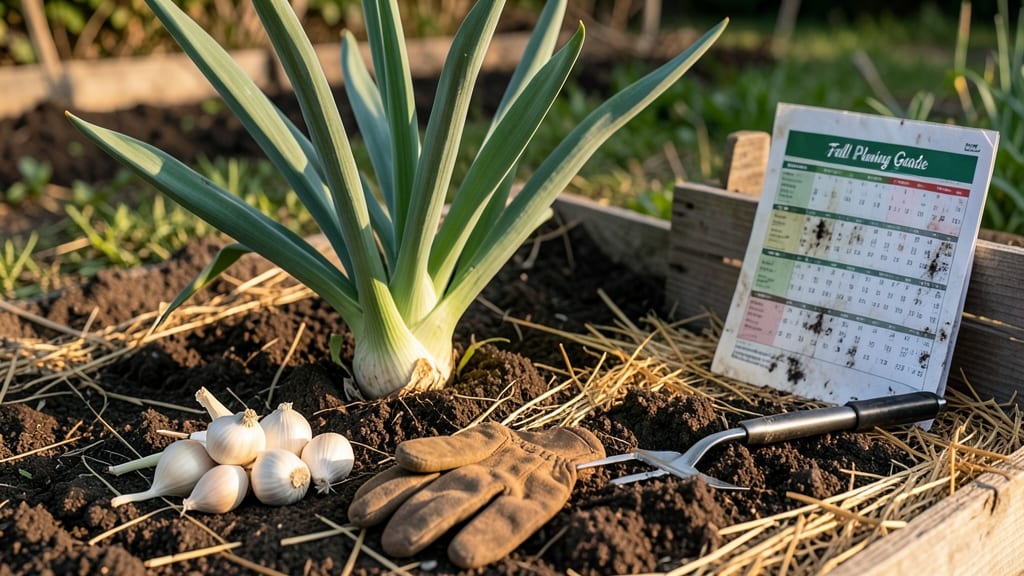
If you've ever wondered when to plant garlic in South Texas, why your 🧄 garlic plants bolt too early or fail to mature in the region's relentless heat, the answer lies in perfect timing.
Planting garlic in the wrong window—like waiting until December—can turn your crop into a sad, stunted mess before summer even arrives.
Here's the game-changer: The ideal planting window for South Texas is narrow but critical—October to November. This timing lets garlic establish roots before winter chill sets in, while avoiding the brutal summer heat that causes bolting.
I'll show you exactly how to sync your planting with the region's unique climate for bulbs that rival anything you'd find at the grocery store.
We'll cover the heat-tolerant varieties that actually thrive here, how to adjust for those 9a-10a zone quirks, and the simple tricks to keep your garlic from turning into a sad, leggy disappointment. Trust me, once you nail this timing, you'll never buy garlic again.
Ready to grow garlic that's actually worth bragging about? Let's dive into the exact schedule and proven methods that work in South Texas's unforgiving summers. Your taste buds will thank you.
Best months to plant garlic in South Texas for maximum yield
South Texas’s USDA Zones 9a-10a mean garlic thrives best when planted during the coolest months—typically October through November. This timing ensures bulbs establish roots before heat spikes in spring, preventing bolting (premature flowering).
For example, planting in mid-October gives garlic enough time to mature before April’s scorching temperatures peak.
Garlic needs 60-80°F soil temperatures to germinate, which South Texas hits in fall. If you plant too late—like December—growth slows, and bulbs may never reach full size. Conversely, planting too early (e.g., September) risks exposure to unpredictable early frosts, stunting your crop before harvest.
Here’s the key: Aim for 4-6 weeks before your first frost (usually December 15 in South Texas). This window balances root development and heat avoidance. For instance, hardneck varieties (like ‘Silverskin’) need this timing to form scapes, while softneck varieties (like ‘Artichoke’) tolerate slightly later plantings.
Pro tip: Use a soil thermometer to confirm temps are below 80°F at planting. If soil runs hotter, wait until evening temps drop—often late November—to reduce stress on cloves.
⚠️ CRITICAL: South Texas’s unpredictable winter weather can throw off timing. If freezes hit early, mulch heavily with straw or leaves to insulate bulbs. Conversely, if mild winters delay frost, plant earlier to avoid spring bolting.
For hardneck varieties, prioritize October planting to ensure scapes form by April. These varieties need cold exposure to trigger bulb development. In contrast, softneck varieties are more forgiving and can handle November plantings, though yields may shrink if heat arrives too soon.
South Texas’s spring heat (March–May) is the real enemy. If garlic starts bolting—sending up flower stalksearlier and use shade cloth (30–50%) in late winter to delay heat stress.
Local gardeners swear by ‘Creole’ garlic, a heat-tolerant variety that handles South Texas’s 100°F+ days better than standard types. Pair it with drip irrigation to keep soil moist without overheating roots. Water deeply in the morning to reduce evaporation and fungal risks.
Remember: Harvest timing is just as critical as planting. In South Texas, aim for April–May when lower leaves brown but upper leaves stay green. If you wait too long, bulbs split or rot in the heat.
Best months to plant garlic in South Texas for maximum yield
Timing is everything when growing garlic in South Texas, where the 9a-10a climate demands precision. The ideal planting window is between mid-October and November, when soil temperatures drop below 70°F but before the first frost hits.
This gives your cloves time to root deeply before winter dormancy, setting the stage for robust bulbs next spring.
Why this window? Garlic planted too late—like in December—may not mature before the heat spikes in April. Conversely, planting in September risks exposing young plants to summer’s 100°F+ temperatures, triggering premature bolting (flowering). Aim for 4-6 weeks before the first frost, typically around December 15 in South Texas.
Here’s the critical soil temperature threshold: 60-65°F is perfect for germination. Use a soil thermometer to confirm—if temps are above 75°F, wait until cooler nights arrive. In Corpus Christi or Brownsville, this often means holding off until late October.
| Planting Stage | Action | Notes |
|---|---|---|
| Soil Prep | Test pH (6.0-7.0) | Add compost for drainage |
| Planting Window | Mid-October–November | Avoid September heat spikes |
| Depth | 2–4 inches deep | Pointy end up, 4–6 inches apart |
| First Frost | December 15 | Plant 4–6 weeks before |
For hardneck varieties, prioritize early planting—they need 60-80 days of cold to form bulbs. Softneck types are more flexible but still benefit from fall planting. Pro tip: If you miss the October window, a December planting can still work, but expect smaller yields due to shorter dormancy.
Watch for soil moisture—keep it consistently damp but not soggy. Overwatering in winter can rot cloves, while drought stress weakens roots. Mulch with straw or leaves to insulate soil and retain moisture. In San Antonio’s drier zones, a drip irrigation system ensures steady water without fungal risks.
Remember: The key to heat-tolerant garlic in South Texas isn’t just timing—it’s variety selection and soil prep. Next, we’ll dive into the top 5 varieties that actually thrive here, so you can pick the perfect match for your garden. 🧄