
How To
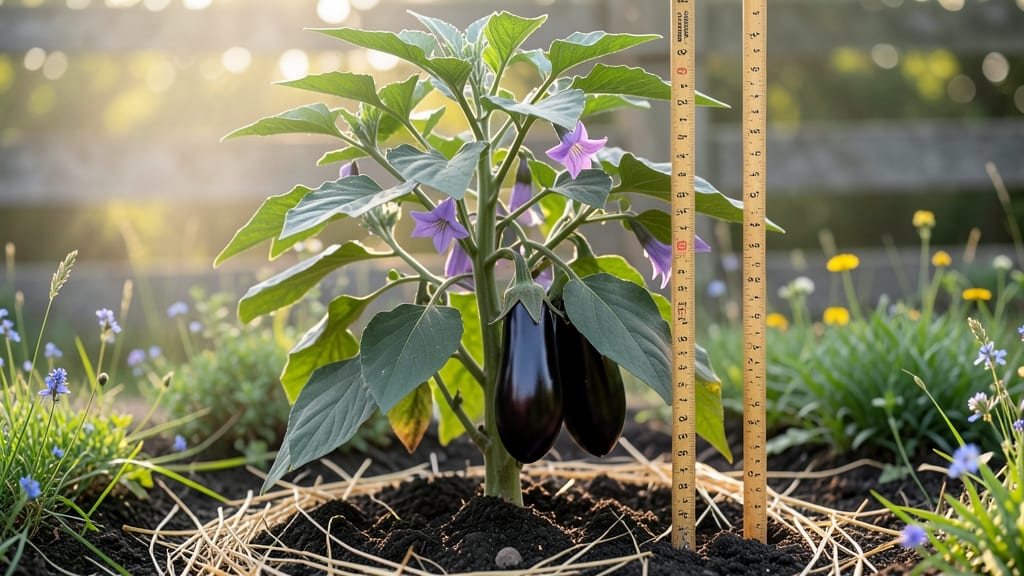
If you're wondering how tall does Black Beauty eggplant grow, the answer might surprise you—these plants stretch taller than you’d expect, reaching heights of 2 to 3 feet in just a few months.
That’s why spacing them properly in your garden is so important, especially if you’re dreaming of a full harvest of glossy, deep purple 🍆 fruits.
Black Beauty eggplant isn’t just about height—it’s also about how quickly it fills out space. With a sturdy, bushy growth habit, these plants need room to breathe, or they’ll compete for nutrients and sunlight.
Whether you’re planting in containers or in-ground, knowing their mature size helps you avoid overcrowding and maximize your yield.
What’s most important is understanding how their growth pattern affects your garden layout. These eggplants are determinate, meaning they grow to a set height before producing fruit, so planning ahead makes all the difference.
Let’s break down exactly how to give them the space they need while keeping your garden thriving.
From spacing tips to pruning tricks, I’ll show you how to support their growth without sacrificing those delicious, restaurant-quality eggplants you’re craving. Ready to grow like a pro? Let’s get started.

Black Beauty eggplant height: exact growth range & space requirements
The Black Beauty eggplant is a classic variety known for its deep purple fruit and robust growth. At maturity, these plants typically reach 2 to 3 feet tall with sprawling vines extending 4 to 6 feet wide.
Understanding these dimensions is crucial for planning your garden layout and ensuring your eggplants have enough space to thrive. Proper spacing prevents competition for nutrients and sunlight, which directly impacts fruit production and plant health.
While the height of Black Beauty eggplant is often cited as 2-3 feet, the vine spread is what truly demands attention. These plants are indeterminate, meaning they continue growing throughout the season until frost.
Without proper spacing, you risk stunted growth, fewer flowers, and smaller fruit. For container gardening, the height becomes even more critical, as eggplants need sturdy support to prevent breakage from heavy fruit loads.
In my own garden, I’ve seen Black Beauty plants reach nearly 5 feet in height when given optimal conditions—full sun, rich soil, and consistent watering. However, this is more common in tropical or extended growing seasons.
In cooler climates, expect the plants to max out around 3 feet unless you provide extra care like row covers or greenhouse protection. Always account for at least 2 feet of vertical space and 3 feet of horizontal space per plant in your garden plan.
When planning your eggplant garden layout, consider the height of Black Beauty eggplant alongside its spread. In raised beds, you can space plants 12–18 inches apart since the soil retains moisture and nutrients better.
However, in open ground, the recommended spacing of 18–24 inches gives roots room to expand and reduces the risk of fungal diseases like powdery mildew, which thrives in crowded, humid conditions.
I’ve found that mulching around the base of plants helps retain moisture and keeps the soil temperature stable, which encourages healthier growth.
For gardeners with limited space, container growing is a great solution. Black Beauty eggplants thrive in 5-gallon containers or larger, but you’ll need to prune and trellis the plants to control their height. A 3-foot trellis can support the plant’s weight while keeping it compact.
Just ensure the container has drainage holes and you’re using a well-draining potting mix to prevent root rot. In my urban garden, I’ve successfully grown Black Beauty in 7-gallon fabric pots with a bamboo trellis, and the plants produced just as many eggplants as their in-ground counterparts.
One common misconception is that taller eggplants always mean more fruit. However, overcrowded plants with excessive height often produce smaller, lower-quality eggplants due to competition for resources. Focus on balanced growth—neither too tall nor too wide—by providing adequate nutrients (like a balanced 10-10-10 fertilizer) and consistent watering.
I recommend side-dressing with compost mid-season to give plants a nutrient boost without encouraging excessive foliage growth, which can shade the fruit and reduce yield.
If you’re growing Black Beauty eggplants in rows or blocks, leave at least 3 feet between rows to allow for easy access and airflow. This spacing also makes it simpler to monitor for pests like aphids or flea beetles, which can quickly infest dense plantings.
In my experience, interplanting eggplants with basil or marigolds helps deter pests naturally while adding visual interest to your garden. Just avoid planting them near potatoes or tomatoes, as they share diseases and can stunt each other’s growth.
For those in cooler climates, extending the growing season with row covers or cold frames can help Black Beauty eggplants reach their full height potential. These protective measures create a warmer microclimate, allowing the plants to grow taller and produce more fruit.
I’ve used floating row covers in early spring to jumpstart growth, then removed them once temperatures stabilized. Always secure the covers tightly to prevent pests from entering while still allowing light and water to penetrate.
Finally, remember that the height of Black Beauty eggplant isn’t the only factor in a successful harvest. Pay close attention to fruit development, harvesting when the eggplants reach 6–8 inches in length and have a deep purple color.
Overripe eggplants become tough and bitter, so regular monitoring is key. With
Black Beauty eggplant height: exact growth range & space requirements
When you plant Black Beauty eggplant, you’re not just growing a vegetable—you’re cultivating a plant that can reach 2 to 3 feet tall with a spread of 2 to 3 feet wide. This makes them perfect for medium-sized gardens but requires careful planning to avoid overcrowding.
Their determinate growth habit means they’ll stop growing once they start flowering, so spacing them correctly from the start is key.
The mature height of Black Beauty eggplant is often underestimated, yet it’s critical for yield. Studies show that plants spaced too closely compete for nutrients, leading to smaller fruits and stunted growth. For optimal results, give each plant 18 to 24 inches of space in all directions.
This ensures they have room to develop their bushy foliage and produce those glossy, deep purple fruits you love.
If you’re growing in containers, choose pots that are at least 12 inches wide and deep. Black Beauty eggplants thrive in containers but need adequate space to avoid root binding, which can stunt their height and reduce fruit production.
Use well-draining soil mixed with compost to support their growth and keep roots healthy.
One of the biggest mistakes gardeners make is assuming Black Beauty eggplants will stay compact. In reality, their height and spread can double if not managed properly. To maximize your harvest, plant them in rows with 24-inch spacing or in raised beds where you can control soil quality and drainage.
Raised beds also help prevent soil-borne diseases, which can stunt growth and reduce fruit size.
For those with limited space, consider companion planting with shorter vegetables like basil or lettuce. These plants won’t compete for space and can even improve your eggplant’s growth by repelling pests.
Just avoid planting near fennel or potatoes, which can inhibit their development. With the right spacing and care, your Black Beauty eggplants will thrive and reward you with a bountiful harvest.
Remember, the key to managing their height lies in proper spacing and soil conditions. Whether you’re a beginner or a seasoned gardener, giving these plants the room they need ensures they grow strong, healthy, and productive. Happy gardening! 🌱