
Plants
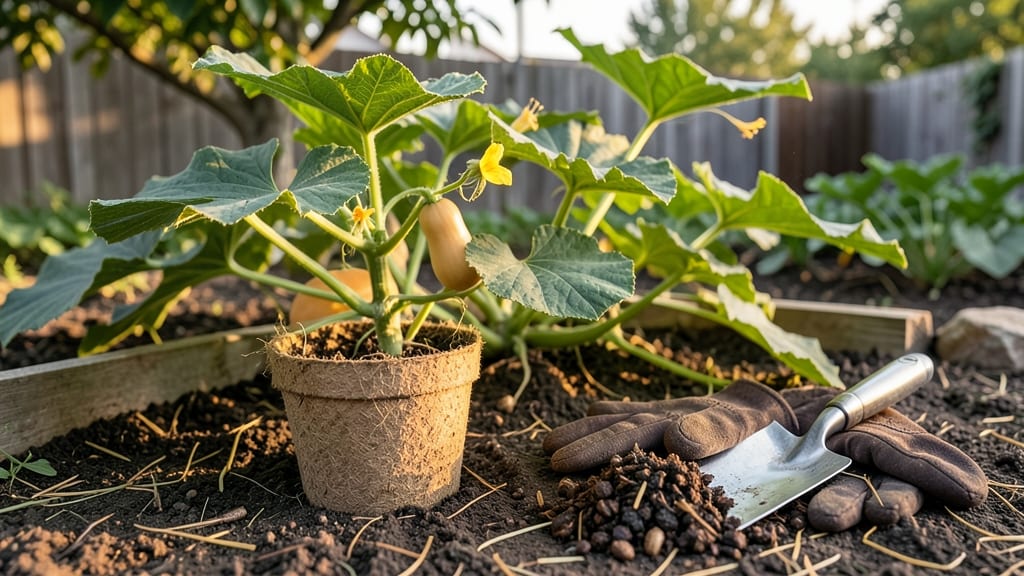
Timing your Butternut Squash 🎃 planting in North Carolina isn't just about following a calendar—it's about matching your garden's rhythm with the state's unpredictable shifts from coastal humidity to mountain chill. One wrong move, and you could end up with wilted vines or frost-nipped harvests before October's golden bounty arrives.
Most gardeners in NC's 7a-8b zones know the drill: wait until after the last frost (typically mid-April to early June) to plant those first seeds. But here's the catch—soil temperature matters just as much as the calendar.
If your ground stays below 55°F, those seeds will sulk instead of sprout, leaving you scrambling to replant.
Then there's the fall planting window—late July to early August—that many overlook. This second chance lets you stretch your harvest into November, but it requires knowing exactly when to start to avoid summer's scorching heat stressing your plants before they mature.
Whether you're a first-time grower or a seasoned NC gardener, getting these details right means the difference between a bountiful harvest and a season of frustration. Let's break down the exact timing and tricks to make your Butternut Squash thrive in our ever-changing climate.
Best planting dates for butternut squash in NC by frost Zone
North Carolina’s diverse climate—from the Coastal Plain to the Mountains—means your butternut squash planting timeline should align with your USDA zone (7b-8a). Planting too early risks frost damage, while late planting may leave you with underripe fruit before the first frost.
Let’s break down the ideal windows for each region.
For spring planting, aim for mid-April to early June—after your area’s last frost date. In the Mountains (Zone 7b), this is typically late April to early May.
Meanwhile, the Piedmont (Zone 7b-8a) and Coastal Plain (Zone 8a) can start as early as mid-April, giving vines more time to mature.
A fall planting option exists for a late harvest: late July to early August. This works best in Zone 8a areas, where the growing season extends longer. In cooler Zone 7b regions, stick to spring planting to avoid early frost risks.
Butternut squash needs 90-110 days to harvest, so plan accordingly. For example, a May 15 planting in Zone 8a should yield fruit by late August to September. Use this frost-free period calculator to adjust for your exact location.
If you’re in a transition zone (e.g., Zone 7b-8a), err on the side of later planting to avoid early-season heat stress. Butternut squash thrives in warm soil, so wait until soil temps hit 60°F+—I’ll cover how to test this in the next section.
Pro tip: Use row covers or black plastic mulch to warm soil faster in cooler zones. This can shave 1-2 weeks off your planting timeline, giving vines a head start before summer heat arrives.
Heatwaves in NC can stall growth, so monitor weather forecasts. If a 90°F+ stretch is predicted, delay planting until temps drop. Shade cloth (30-50%) can also help young plants acclimate.
For container growers, start seeds indoors 3-4 weeks before your last frost date. Transplant seedlings when they’re 2-3 inches tall and soil is warm. Containers dry out faster, so choose 5-gallon pots or larger for mature plants.
Remember: Butternut squash needs space—3-4 feet apart in hills. This prevents disease spread and ensures each plant gets enough sunlight and nutrients. Plan your garden layout now to avoid crowding later.
🎃
Best planting dates for butternut squash in NC by frost Zone
North Carolina’s diverse climate zones—from the humid Coastal Plain to the cooler Appalachian Mountains—create varying frost-free periods that directly impact your butternut squash 🎃 planting success.
In USDA zones 7b-8a, timing isn’t one-size-fits-all; your location dictates whether you’ll plant in mid-April or wait until late July for a fall harvest.
For most of NC, the primary planting window runs from mid-April to early June, right after the average last frost date (typically mid-March to early April). However, gardeners in higher elevations (zones 7a-7b) should wait until early May to avoid late spring frosts that can devastate young seedlings.
| NC Region | USDA Zone | Last Frost Date | Primary Planting Window | Fall Planting Window | First Frost Date |
|---|---|---|---|---|---|
| Coastal Plain | 8a-8b | Early April | Mid-April to May 15 | Late July to Aug 1 | Mid-October |
| Piedmont | 7b-8a | Mid-April | Late April to June 1 | Early July to July 20 | Early November |
| Mountains | 7a-7b | Early May | Early May to June 10 | Late July to Aug 5 | Late October |
Don’t overlook the fall planting window (late July to early August), which lets you harvest butternut squash 🎃 in October or November—just before the first frost. This strategy works best in zones 8a and warmer, where summer heat doesn’t linger too long.
For cooler zones, stick to spring planting only to avoid summer stress.
Pro tip: Use NC State Extension’s frost date maps to pinpoint your exact last frost date. Even a 1-2 week delay can mean the difference between healthy vines and frost-nipped seedlings. For example, Asheville’s zone 7b has a later last frost than Raleigh’s zone 7a, so adjust accordingly.
If you’re in zone 8a or warmer, you can even try two plantings: one in spring for a summer harvest and another in late July for a fall feast. Just ensure your soil stays above 55°F for germination—more on that in the next section!
Remember, butternut squash 🎃 needs 90-110 days to mature, so calculate backward from your first frost date to avoid rushed harvests. For instance, if frost hits October 15, plant by July 15 for a fall crop.