
Plants
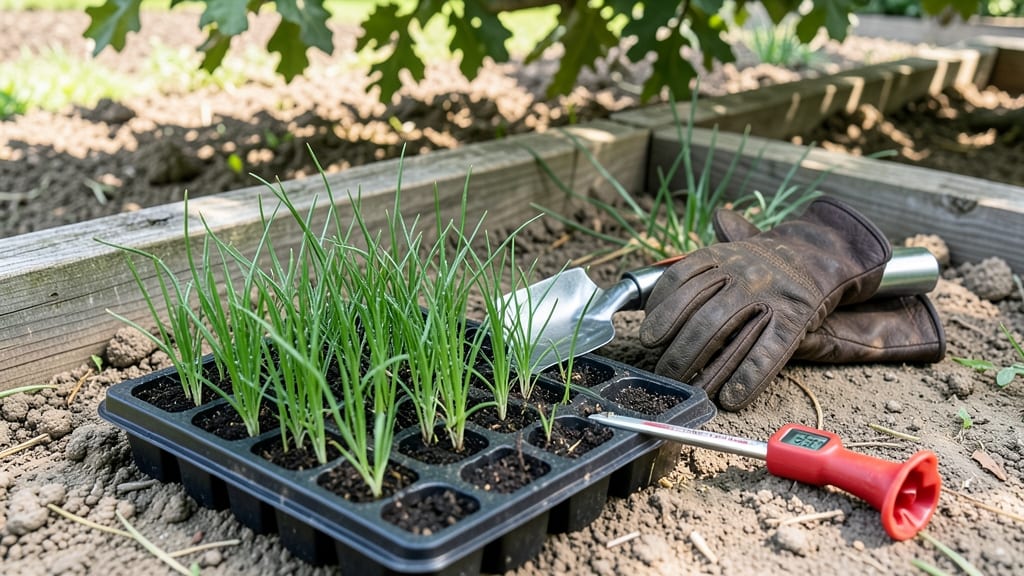
If you're dreaming of a lush, drought-resistant lawn in Kansas that thrives without constant watering, planting buffalo grass 🌱 at the right time is the game-changer you need.
This native grass isn't just hardy—it's designed for Kansas' hot summers and unpredictable rainfall, but getting the timing wrong can mean wasted effort or stunted growth.
Most gardeners in zones 5b-7a make the mistake of planting too early, only to watch their seeds rot in cold, damp soil. The truth? Late spring to early summer—when soil temperatures hit 60°F+—is when buffalo grass really takes off.
I'll show you exactly how to sync your planting with Kansas' climate, so you skip the guesswork and get a lawn that's green from day one.
Why does timing matter so much? Because buffalo grass grows best when it's warm enough to establish roots quickly, but not so hot that moisture evaporates before seeds can sprout.
We'll cover the ideal window, soil prep secrets, and even how to adjust for your specific corner of Kansas—whether you're in Wichita's heat or Topeka's cooler stretches.
Ready to transform your yard into a low-maintenance oasis? Let's dive into the zone-specific timeline that'll have your buffalo grass thriving by summer's end—no more brown patches, just resilient green.
Best planting windows for buffalo grass in Kansas by USDA zone
Kansas spans USDA Zones 5b through 7a, and the perfect planting window for buffalo grass depends on your specific zone. Unlike cool-season grasses, buffalo grass thrives in warm-season conditions, so timing is critical to avoid winter dieback or poor establishment.
In most of Kansas, the ideal planting window is between late April and early June, but adjustments are needed for northern vs. southern regions.
For Zone 5b (northern Kansas), aim for mid-May to early June when soil temperatures consistently stay above 60°F (15°C).
In Zones 6 and 7a (central and southern Kansas), you can start as early as late April, but avoid planting before the last frost date (typically April 15) to prevent frost damage to young seedlings.
🌱 Pro Tip: Use the Kansas Mesonet website to check your local soil temperature before planting—buffalo grass seeds need warm soil (at least 60°F) to germinate properly.
While late spring (May-June) is the golden window for buffalo grass planting, you can also consider early fall (September) in Zone 7a. However, this approach carries risks—young plants may not establish strong roots before the first frost (mid-October in southern Kansas).
If you choose fall planting, prioritize well-draining soil and consistent moisture to offset cooler temperatures.
Another critical factor is seed vs. sod. Buffalo grass seeds take 2-3 weeks to germinate and need warm, stable soil, while sod can be installed up to 2 weeks earlier (as early as April 15 in Zone 7a) because it’s already established.
If you’re using sod, time your installation to allow 4-6 weeks of growth before summer heat sets in.
🌿 Regional Tip: In western Kansas (where rainfall is scantier), prioritize planting in May to align with natural spring moisture. Eastern Kansas (with higher humidity) offers more flexibility, but still avoid planting after July 15 to prevent heat stress.
Microclimates also play a role. If your yard is in a south-facing slope or near a heat-absorbing surface (like pavement), soil warms up faster—you can plant 1-2 weeks earlier than the general guideline. Conversely, shady or north-facing areas may require delaying planting by 10-14 days to ensure soil warmth.
Finally, don’t overlook rainfall patterns. Kansas experiences variable precipitation, and planting during a dry spell can stress young buffalo grass. Check the NOAA Climate Prediction Center for 30-day outlooks before planting to avoid drought conditions during germination.
☀️ Key Takeaway: For Zone 5b, stick to May-June; for Zones 6-7a, late April-early June is ideal. Always confirm soil temperature and local frost dates to maximize success.
Best planting windows for buffalo grass in Kansas by USDA zone
Kansas spans USDA zones 5b through 7a, and your exact location determines the perfect window for planting buffalo grass 🌱. In zone 5b (northwest Kansas), aim for late May to early June when soil temperatures consistently stay above 60°F.
Meanwhile, gardeners in zone 7a (southeast Kansas) can start as early as mid-April—just after the last frost—thanks to warmer springs.
Why this timing? Buffalo grass seeds need warm soil to germinate but can't handle Kansas' scorching July heat during early growth stages. Planting too early risks seed rot from lingering moisture, while late planting may leave your lawn struggling to establish before winter.
Here’s how to adjust for your specific zone—plus a quick reference for microclimates like Wichita’s urban heat islands or Topeka’s cooler river valleys.
| USDA Zone | Ideal Planting Window | Soil Temp Requirement | Microclimate Notes |
|---|---|---|---|
| 5b (Hays, Goodland) | Late May–Early June | 60°F+ (consistent) | Wait for last frost (avg. April 25) |
| 6a (Salina, Manhattan) | Mid-April–Late May | 55°F+ (minimum) | Urban areas may need 1-2 weeks later |
| 7a (Topeka, Pittsburg) | Mid-April–Early June | 50°F+ (sooner in south) | River valleys stay cooler—plant 2 weeks later |
🌡️ Pro Tip: Use a soil thermometer to confirm temps before planting.
For sod or plugs, shift your window 2-3 weeks earlier since they establish faster. But seeds? Stick to the table above—patience pays off with deeper root systems that survive Kansas’ droughts.
Ever wondered why some lawns thrive while others fail? The answer often lies in local frost dates and rainfall patterns. For example, Wichita’s July heat can stress young seedlings, so planting in early June gives them a head start before summer’s peak.
Meanwhile, Topeka’s cooler springs mean gardeners there should hold off until late May.
Need a backup plan? Fall planting is risky—buffalo grass struggles to establish before winter’s first frost (usually mid-October). But if you miss spring, consider overseeding in September for a second-chance lawn.