
Plants
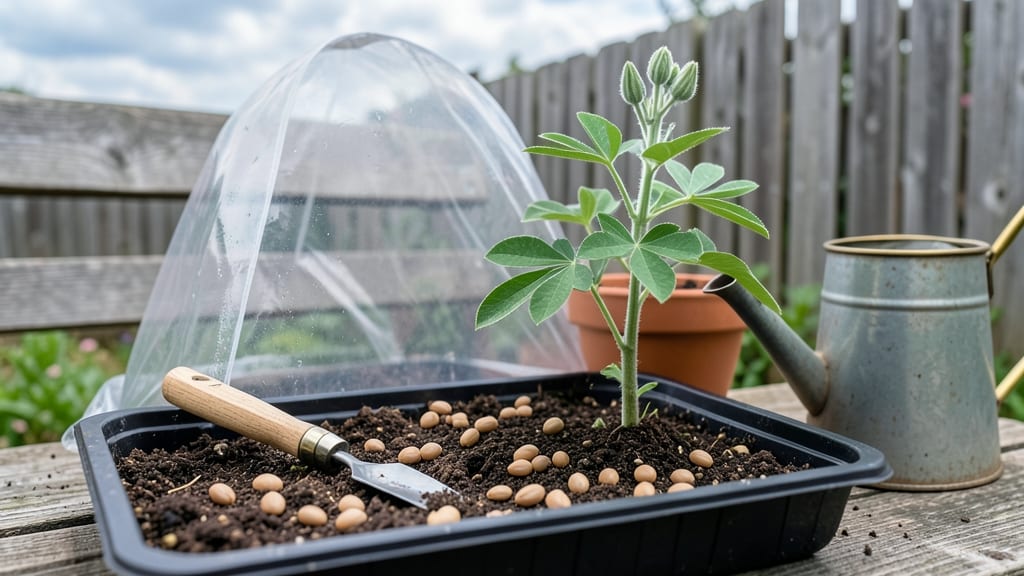
If you’ve ever dreamed of your Central Texas landscape bursting with those iconic 🌸 bluebonnet blooms, when to plant bluebonnet seeds in Central Texas is the single most important factor—get it wrong, and you’ll end up with bare soil instead of a sea of blue.
The key to success lies in planting between September and October, when temperatures are cool enough for seeds to germinate but still warm enough to avoid winter dormancy.
This 60-day window before summer’s brutal heat arrives is your best shot at thriving bluebonnets, but there’s more to it than just the calendar.
I’ll walk you through the exact frost-free window for USDA Zones 8a-8b, how to prep your soil for maximum germination, and why direct sowing (not transplanting) is the gold standard for Central Texas gardeners.
Let’s dive into the strategies that’ll turn your bluebonnet dreams into a reality—without the trial-and-error guesswork that leaves so many gardeners frustrated.
Central Texas bluebonnet planting calendar: frost-dates & heat-zone breakdown
Timing your bluebonnet seeds in Central Texas isn’t just about picking a month—it’s about syncing with the region’s frost-free window and avoiding summer’s brutal heat. With USDA Zones 8a-9a, your planting window is narrow but critical.
Plant too early, and seeds rot in summer heat; too late, and frost zaps seedlings before they sprout.
Central Texas’s first frost typically arrives around December 1, while the last frost lingers until January 15. This leaves a 60-day germination window before summer heat becomes lethal.
The ideal window? September 15 to October 15—when soil temps hover in the 60–75°F range and rainfall patterns favor germination.
Here’s your data-driven planting calendar tailored to Central Texas’s climate quirks, including frost risk, heat stress, and actionable steps for each window:
For September–October plantings, aim for direct sowing—bluebonnets hate transplants. Scatter seeds on well-draining soil (they despise soggy roots) and cover lightly with 1/8" of soil. Water gently to avoid displacing seeds, and keep the soil consistently moist until germination (10–20 days).
If you’re planting in late fall (October–November), time it 4–6 weeks before the first frost. Use a frost cloth to protect seedlings if temps dip below 32°F. Pro tip: Mix seeds with sand for even distribution—bluebonnets are tiny and easy to overcrowd.
Winter plantings (December–February) require stratification to break seed dormancy. Place seeds in a sealed bag with moist sand and refrigerate for 4–6 weeks before sowing. This mimics natural winter conditions and boosts germination rates by 30–50%.
Spring plantings (February–March) are riskier due to rising heat. Only attempt this if your soil stays below 85°F and you provide partial shade (30–50% shade cloth). Monitor soil moisture closely—bluebonnets wilt faster in heat, and recovery is slow.
Remember: Central Texas’s summer heat is the real villain. Plant too early, and your seeds will bake before sprouting. Stick to this calendar, and you’ll enjoy vibrant bluebonnet blooms by March–April, just like the wildflowers along Highway 290.
Central Texas bluebonnet planting calendar: frost-dates & heat-zone breakdown
Central Texas’s 210 frost-free days create a narrow window for planting bluebonnet seeds—miss it, and you’ll battle heat stress or frost damage. The key is timing sowing so seeds germinate before summer’s brutal heat (consistently above 90°F) or after the first frost (typically December 1).
For best results, aim for September–October, when soil temps hover between 60–75°F—perfect for germination.
Bluebonnets thrive in USDA Zones 8a–9a, but Central Texas’s heat zones demand extra attention. The 60-day germination window before summer arrives is critical—plant too early, and seeds may rot; too late, and they’ll struggle to establish roots before the heat sets in.
My strategy? Direct sow seeds in early fall (September 15–October 15) for the most reliable blooms.
| Planting Window | Frost Risk | Heat Risk | Best Months | Key Action Items |
|---|---|---|---|---|
| Early Fall (Sept 15–Oct 15) | Low (post-first frost) | Moderate (cool nights) | September–October | Direct sow seeds 1/8" deep, water lightly |
| Late Fall (Oct 16–Nov 15) | High (first frost likely) | Low (cooling trend) | October–November | Sow seeds 4–6 weeks before first frost, use frost cloth |
| Winter (Dec 1–Feb 15) | Very High (dormant) | None | January–February | Stratify seeds if planting early, or wait for spring |
| Spring (Feb 16–March 15) | None | Rising (heat stress) | February–March | Plant only if soil temps <85°F, prioritize shade |
For September plantings, scatter seeds on well-draining soil (bluebonnets hate soggy roots) and cover lightly with 1/8" of soil. Keep the area moist but not waterlogged—aim for 1 inch of water per week.
In October, you can push the envelope slightly, but time it so seeds germinate before the first frost (usually December 1). Pro tip: Use a frost cloth if planting in late October to protect young seedlings.
If you’re planting in November or December, stratification is your best friend. Place seeds in a sealed bag with moist sand and refrigerate for 4–6 weeks to mimic winter conditions. This tricks seeds into thinking they’ve experienced a cold snap, breaking dormancy for a spring bloom.
Just remember: bluebonnets need cold to flower, so don’t skip this step if planting outside the ideal window.
Spring plantings (February–March) are riskier but possible if you monitor soil temperatures closely. Use a soil thermometer to ensure temps stay below 85°F—any hotter, and germination rates plummet.
Pair spring plantings with shade cloth (30–50% coverage) to reduce heat stress on young plants. My go-to variety for spring is Lupinus havardii, which tolerates heat slightly better than others.
No matter when you plant, avoid fertilizing during germination—bluebonnets are legumes and fix their own nitrogen. Overdoing it with nitrogen-rich fertilizers can actually reduce flowering. Instead, focus on well-draining soil and light watering to set the stage for those iconic blue blooms next spring. 🌸