
Planting
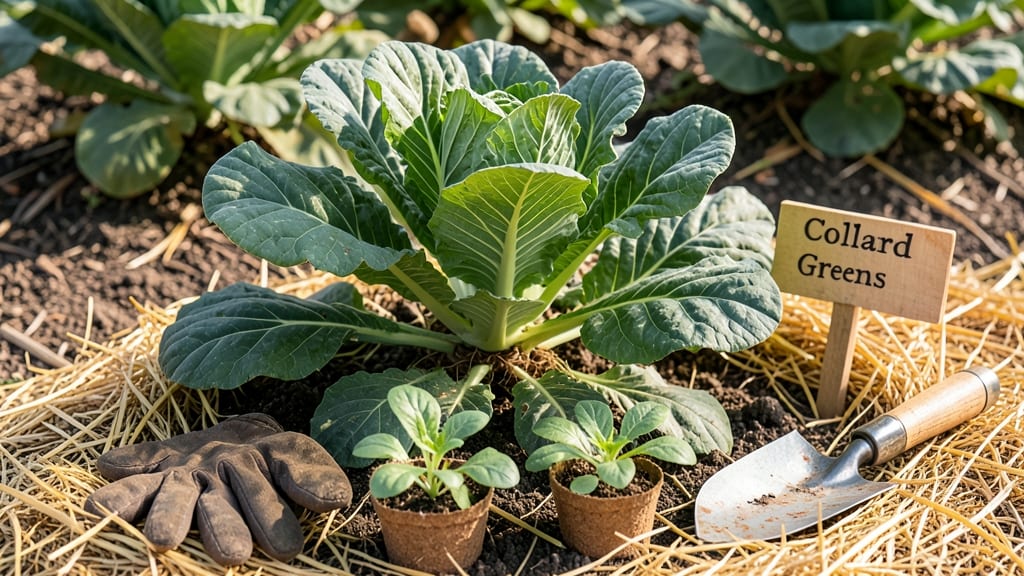
Planting a fall garden in Texas isn’t just about timing—it’s about beating the heat while dodging early frost. The key is starting 6-8 weeks before your first frost date, but with Texas’ diverse zones, that window shifts dramatically from North to South.
Whether you’re in Zone 8 or Zone 10, the right moment depends on your local climate. Too soon, and your seedlings will bolt in the summer heat; too late, and frost will nip your harvest before it matures. Let’s break down the exact timing for your region.
From heat-tolerant greens like Malabar spinach to classic cool-season crops like broccoli, we’ll cover what to plant and when. You’ll also discover how to prep your soil and space out plantings for a steady harvest all the way into winter.
Ready to grow a thriving fall garden? I’ll walk you through the steps—so you can enjoy fresh produce long after summer fades.
Texas heat zones and frost dates: the exact timing for fall planting
Texas's diverse climate means your fall garden timing depends on which USDA heat zone you live in. From the cooler Zone 8 hills of North Texas to the balmy Zone 10 Rio Grande Valley, each region has its own last frost date and ideal planting window.
Getting this right ensures your cool-season crops thrive without wilting in summer heat or freezing before harvest.
For most of Texas, the fall planting window starts as early as mid-July in northern zones and stretches until mid-October in southern areas. The key is planting when soil temperatures drop below 85°F but before the first light frost typically hits.
Let’s break down the exact timing for each zone and how to use it to your advantage.
| USDA Zone | Key Cities | Avg. Last Frost | Ideal Planting Window | First Frost Date |
|---|---|---|---|---|
| Zone 8 | Dallas, Austin, San Antonio | Late October | Mid-July to early September | Mid-November |
| Zone 9 | Houston, Corpus Christi | Mid-November | Late July to mid-September | Late December |
| Zone 10 | Brownsville, McAllen | None (tropical) | August to October | Rare (Jan-Feb) |
In Zone 8, where cities like Dallas and Austin experience their first frost around mid-November, you’ll want to start planting cool-season crops like broccoli and kale by mid-July. This gives them time to establish roots before the heat of summer fades.
For Zone 9, including Houston and Corpus Christi, the window is slightly later—late July to mid-September—since the frost arrives later, around mid-November.
If you’re in Zone 10, like Brownsville or McAllen, you’re in luck! The climate is so mild that you can plant fall crops as late as October and even overwinter some varieties.
However, even here, it’s smart to start heat-sensitive crops like lettuce and spinach by August to avoid any unexpected chilly snaps. The Rio Grande Valley’s tropical microclimate allows for year-round gardening with the right crop choices.
To pinpoint your exact planting window, check your local frost-free days and aim to plant 6-8 weeks before the first frost. For example, if your first frost is November 15th, start planting by September 20th to ensure a full harvest before winter sets in.
This timing also helps avoid the Texas heat stress that can stunt young seedlings.
Pro tip: Use shade cloth or row covers to protect young plants from lingering summer heat if you’re planting early. This extends your window by 2-3 weeks in hotter zones like Zone 9 and Zone 10.
Pair this with succession planting—sowing new seeds every 2 weeks—to keep your harvest going until frost.
Don’t forget to monitor soil temperatures with a soil thermometer. Ideal planting conditions occur when soil temps drop below 80°F at a 4-inch depth. This ensures your seeds germinate properly and your seedlings don’t bolt or wilt.
In Zone 8, this usually happens by early August, while Zone 10 gardeners can wait until mid-September.
For a foolproof fall garden schedule, align your planting with the moon phases or use a garden planner app to track your progress. Many Texas gardeners swear by planting root crops like carrots and beets during the waxing moon for better yields.
Pair this with organic mulch to retain moisture and regulate soil temperature as the weather cools.
Finally, keep an eye on your local weather forecasts for unseasonable cold snaps, especially in Zone 8 and Zone 9. A sudden drop below 32°F can damage tender crops like lettuce or radishes.
Use frost cloth or move potted plants to a sheltered area if frost is forecasted before your harvest.
Texas heat zones and frost dates: the exact timing for fall planting
Texas spans USDA Zones 8 through 10, which means your fall planting window varies dramatically. In Zone 8 (North Texas), the first frost typically arrives by mid-November, while Zone 10 (South Texas) may not see frost until December or never.
To succeed, plant cool-season crops 6-8 weeks before your average first frost date—this ensures a full harvest before winter sets in.
For example, if your first frost is November 15, start planting by September 20. This timing works for broccoli, kale, and lettuce, which thrive in cooler weather. In Zone 10, you can even extend your garden into early winter with heat-tolerant varieties like Malabar spinach.
Here’s how to pinpoint your exact planting window:
| Zone | Avg. First Frost | Planting Window | Best Crops |
|---|---|---|---|
| Zone 8 (North Texas) | Mid-November | Late August–Early October | Kale, Broccoli, Spinach |
| Zone 9 (Central Texas) | Late November | Early September–Mid-October | Cabbage, Carrots, Radishes |
| Zone 10 (South Texas) | December or None | Late August–November | Malabar Spinach, Collards, Green Onions |
Check your local first frost date using the Texas A&M AgriLife Extension or the National Weather Service. For example, Austin (Zone 8a) averages frost around November 10, while Houston (Zone 9a) holds off until December 1.
Adjust your planting schedule accordingly to avoid heat stress or early frost damage.
Pro tip: Use shade cloth or row covers to extend your growing season in Zone 8, where nights can turn chilly sooner. This simple trick buys you 2-3 extra weeks of harvest time for heat-sensitive crops like lettuce.
Once you’ve locked in your frost date, the next step is selecting the right fall crops for your zone. For instance, Zone 10 gardeners can grow heat-loving greens like Malabar spinach year-round, while Zone 8 gardeners should focus on cool-season classics like broccoli and kale.
Timing isn’t just about frost—it’s also about soil temperature. Wait until the ground cools to 70°F or below for most cool-season crops. Use a soil thermometer to check before planting. If the soil is still too warm, your seeds may bolt or rot before sprouting.