
Plants
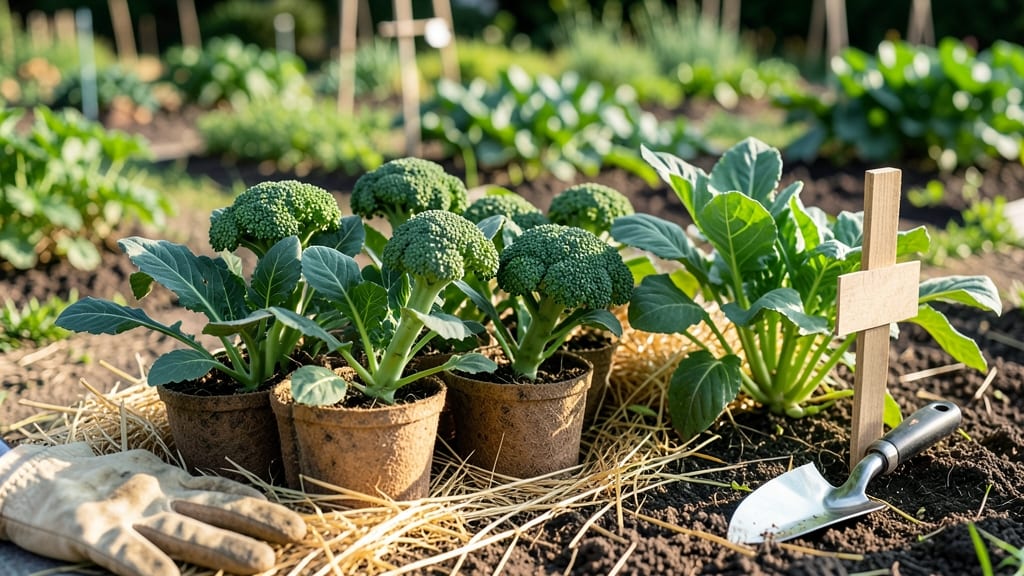
When to plant fall crops in Ohio 🌾 can make or break your harvest—whether you’re dreaming of crisp carrots, hearty kale, or sweet radishes before winter. The window between late July and mid-September is your golden opportunity, but timing matters. Get it wrong, and you’ll end up with frost-bitten greens instead of a bountiful harvest. Ohio’s diverse microclimates throw a wrench into one-size-fits-all advice. Whether you’re in the frost-prone hills of Appalachia or the slightly milder Lake Erie shoreline, the "perfect" planting date shifts by weeks. That’s why I’ve broken down the exact zones and dates you need to know—so your Fall Crops (General) thrive no matter where you garden. You’ll discover how to read your local frost dates, which crops to prioritize for Ohio’s short fall season, and pro tips to stretch your harvest well past the first frost. No more guessing—just reliable, science-backed timing for the most rewarding fall garden possible. Let’s get your garden prepped for success before the window closes. The soil’s waiting, and so are those hungry pests—don’t let them steal your harvest this year.
Ohio’s 5 fall planting zones: exact dates by microclimate for peak harvests
Ohio’s diverse microclimates mean your fall planting window could be 2–3 weeks earlier in southern Ohio than in northern Lake Erie regions. To avoid frost damage or wasted effort, match your planting dates to your zone.
The USDA Zone 6a average first frost date is October 20, but local variations demand precision.
Below, I’ve broken down five key Ohio regions with exact planting windows for leafy greens, root vegetables, and brassicas. Use these as your fall garden calendar—planting too early risks bolting (going to seed), while late planting means stunted growth before frost.
Pro Tip: Always check your local frost dates using the Old Farmer’s Almanac or NOAA for real-time adjustments. Southern Ohio can sometimes push harvests into early November, while northern zones may need to wrap up by mid-October.
| Region | First Frost Avg. | Leafy Greens (Spinach, Lettuce) | Root Veggies (Carrots, Radishes) | Brassicas (Kale, Broccoli) |
|---|---|---|---|---|
| Southwest Ohio (e.g., Cincinnati) | Oct 25–Nov 1 | Late July–Aug 15 | Aug 1–Sept 10 | Aug 15–Sept 1 |
| Central Ohio (e.g., Columbus) | Oct 20–Oct 28 | Late July–Aug 10 | July 25–Aug 25 | Aug 10–Aug 25 |
| Northeast Ohio (e.g., Cleveland) | Oct 10–Oct 18 | Early Aug–Aug 5 | July 20–Aug 15 | July 25–Aug 10 |
| Appalachian Ohio (e.g., Athens) | Oct 30–Nov 5 | Late July–Aug 20 | Aug 1–Sept 15 | Aug 15–Sept 5 |
| Lake Erie Shoreline (e.g., Toledo) | Oct 5–Oct 15 | Early July–July 31 | July 15–Aug 10 | July 10–July 25 |
For Lake Erie gardeners, cool lake breezes can delay frost by 1–2 weeks, but soil temperatures drop faster. Test your soil—50°F+ is ideal for seed germination. If your soil is below 50°F, wait or use row covers to warm it.
In Appalachian Ohio, higher elevations mean earlier frosts. Plant fast-maturing varieties like radishes (25 days) or bush beans (50 days) to maximize yields. Succession planting is key here—sow every 10–14 days until August 15.
Central Ohio’s moderate climate gives you the longest window—up to 60 days of harvests if you start in late July. Focus on cool-season crops like kale or broccoli, which sweeten after frost. But avoid planting heat-loving crops like tomatoes after July 15.
If you’re in southern Ohio, you can push
Best fall crops for Ohio’s climate: fast-growing varieties that beat frost
Ohio’s short growing season demands smart choices—prioritize cold-hardy crops that mature quickly before the first frost. My top picks include kale, spinach, radishes, and carrots, which thrive in cooler temps and tolerate light frosts. These varieties not only survive Ohio’s chilly nights but also deliver sweet, flavorful harvests when planted at the right time. For leafy greens, opt for baby spinach or Lacinato kale—both handle frost beautifully and mature in 30–45 days. Root vegetables like radishes (ready in 25–30 days) and short-season carrots (e.g., ‘Paris Market’) are perfect for succession planting. Brassicas such as broccoli raab and turnips also excel, with harvests possible 45–60 days after sowing.🌱 Top 5 Fastest Fall Crops for Ohio
Days to Harvest: 25-30
Days to Harvest: 30-45
Days to Harvest: 30-50
Days to Harvest: 45-60
Days to Harvest: 60-75
Pro Tip: Plant radishes and spinach in early August for a fall harvest, while kale and carrots do best when sown in mid-to-late August to avoid bolting.
🌿