
Plants
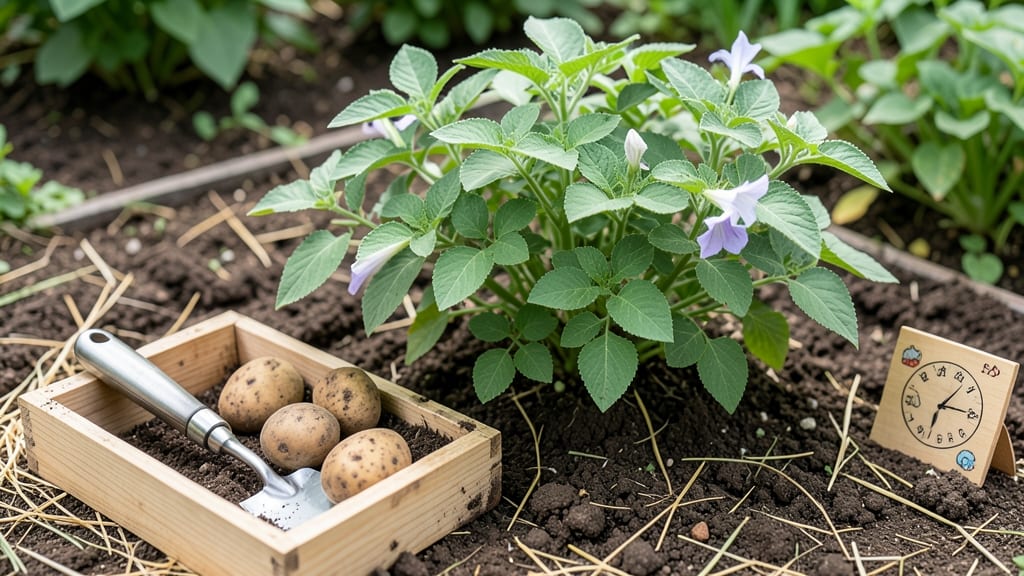
If you’ve ever planted potatoes in North Carolina only to watch frost nip your tender sprouts, you’re not alone. The perfect planting window for potatoes in NC isn’t just about the calendar—it’s about beating frost, warming soil, and giving your 🥔 time to thrive before summer heat kicks in.
Most gardeners in zones 6b-8a (like the Piedmont or Coastal Plain) can start as early as February, but timing varies wildly across the state. In the cooler mountains, wait until March 15 or later to avoid frost damage.
The key? Planting 4-6 weeks before your last frost date ensures tubers form before the heat of June.
Here’s the game-changer: early varieties (like red potatoes) can go in the ground sooner, while late-season Russets need that extra time to mature. We’ll break down exactly when to plant for your region—plus pro tips to stretch your season without risking a failed harvest.
Ready to grow potatoes that outperform last year’s? Let’s dig into the exact weeks, soil secrets, and regional tweaks that’ll turn your NC garden into a tuber treasure trove.
NC frost dates by region: exact weeks before last frost for potato planting
North Carolina’s diverse climate zones mean your potato planting window varies dramatically—from the cool mountain regions to the warmer coastal plains. Getting the timing right ensures your seed potatoes sprout before frost kills them but mature before summer heat stunts growth.
Let’s break down the exact planting windows for each region.
Most NC gardeners aim to plant 4-6 weeks before the last frost date, but soil temperature matters just as much. Potatoes need soil temps above 45°F to sprout consistently.
In colder zones (like the Mountains), this might mean waiting until late March, while coastal areas can start as early as February.
Key rule: Never plant when soil is below 40°F—even if air temps seem warm. Use a soil thermometer to check depth (4 inches down). If temps fluctuate, wait a few days to avoid frost damage to young sprouts.
| Region | USDA Zone | Avg. Last Frost | Planting Window | Soil Temp Goal |
|---|---|---|---|---|
| Mountains (Asheville, Boone) | 6b-7a | March 20–April 5 | March 15–April 1 | 45–50°F (wait for warmth) |
| Piedmont (Raleigh, Greensboro) | 7a-7b | March 15–March 30 | February 28–March 15 | 45°F+ (sooner in warm years) |
| Coastal Plains (Wilmington, Fayetteville) | 8a-8b | March 1–March 15 | February 1–February 20 | 50°F+ (earlier risk of rot) |
🌱 Pro Tip: Check your local frost date via NC State Extension or Almanac—these dates shift yearly!
For early varieties (like Yukon Gold or Red LaSoda), you can push planting to January in Zone 8a if using row covers or a cold frame. But beware: wet, cold soil causes rot. Amend with compost to improve drainage if planting early.
If you miss the spring window, don’t despair! NC’s short-day varieties (like Kennebec) can handle a summer planting in June–July for a fall harvest. Just choose early-maturing types (90-day varieties) to avoid frost before harvest.
One common mistake? Planting too late in spring. If you wait until April 15+ in the Piedmont, your potatoes may not mature before summer heat—leading to small, misshapen tubers. Aim for harvest by July 4th in most zones.
Use this simple formula to calculate your ideal planting date: Last Frost Date – 6 weeks – 2 weeks buffer = Planting Window. Example: If your last frost is March 20, plant by February 25.
For container growing, start 2 weeks earlier—pots warm up faster. Place containers near a south-facing wall or under grow lights to extend the season. Just ensure pots have drainage holes to prevent rot.
🌿 Remember: Soil prep is just as critical as timing. Work in compost and avoid fresh manure, which can burn tender potato sprouts. A pH of 5.0–6.5 is ideal—test your soil in fall if you’re serious about maximizing yield.
How to adjust planting time for early vs. late potato varieties in NC
North Carolina’s diverse growing seasons let you grow three potato crops per year if you choose the right varieties. Early varieties like Red LaSoda or Yukon Gold mature in just 90 days, while late varieties like Russet need 120 days. Your planting window depends on the variety and your region’s last frost date. In the Mountains (Zone 6b), plant early varieties 2-3 weeks before the last frost, while coastal areas (Zone 8a) can start as early as January for a spring harvest. The key is matching your variety to your frost-free growing season. Early varieties thrive in NC’s shorter seasons (like the Piedmont’s 190 days), while late varieties need the longer coastal summers (240+ days). For example, if you plant Russets in April in Raleigh, they’ll need 120 days to mature, putting harvest at mid-August—just before summer heat slows growth. But if you’re in Asheville, wait until late April to avoid early frost damage. Timing also affects tuber size. Planting too early risks frost damage to young plants, while planting too late means smaller harvests before summer heat sets in. For a second summer crop, choose early-maturing varieties like Kennebec and plant in early June. These will harvest by late August, avoiding the humid heat that stresses potatoes.Warning: Planting Too Early or Late
Too Early:
- Frost damage to young plants
- Stunted growth from cold soil
- Wasted seed potatoes if they rot
Too Late:
- Small tubers before heat stress
- Reduced yield from short season
- Disease risk in hot, humid conditions
For maximum yield, adjust your planting schedule by variety:
- Early varieties (90 days): Plant 2-3 weeks before last frost (e.g., February in Zone 7a).
- Mid-season (100 days): Plant 1-2 weeks before last frost (e.g., March in Zone 6b).
- Late varieties (120+ days): Plant after last frost (e.g., April in Zone 8a).
If you’re unsure about your last frost date, check the NC State Climate Office or use a frost calendar for your county. For example, Charlotte’s last frost averages March 15, while Greenville’s is March 22. Planting 4-6 weeks before these dates gives your potatoes the best start.
Don’t forget to hill your potatoes as they grow—this protects tubers from exposure to sunlight (which turns them green and toxic) and encourages larger harvests. Use straw or soil to mound dirt around the stems every 2-3 weeks until harvest.
With the right timing and care, you’ll enjoy bountiful potatoes all season long! 🥔