
Plants
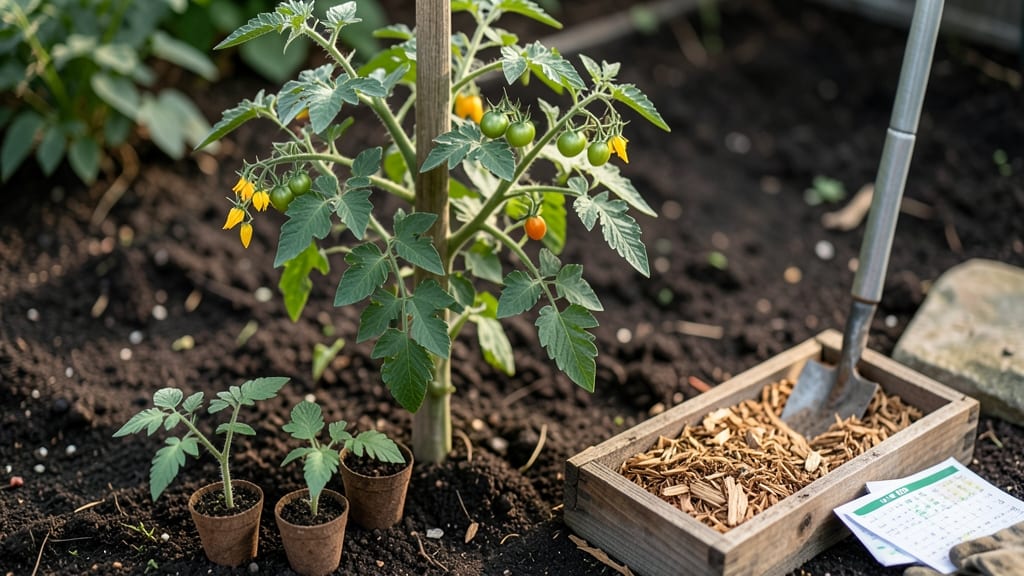
The perfect timing for planting tomatoes in North Carolina could mean the difference between a bumper crop of juicy 🍅 or a sad, frost-nipped disappointment.
Since the Tar Heel State spans USDA zones 7a-8b, your exact location dictates when to get those seedlings in the ground—whether you're in Raleigh, Asheville, or the coastal plains.
Most gardeners wait until April 15 to May 15, but that window shifts based on your region's last frost date and soil warmth. Planting too early risks frost damage, while waiting too long might cut your harvest short before fall's first chill.
Let's break down the ideal dates for your specific corner of North Carolina.
You'll also discover how to extend your growing season with smart techniques, like using row covers or choosing heat-resistant varieties that thrive in NC's summer heat. Whether you're starting seeds indoors or transplanting seedlings, these tips will help you avoid common mistakes and maximize your tomato yield.
Ready to grow tomatoes that taste like summer all season long? Let's dive into the zone-specific planting schedule and strategies that work for North Carolina gardeners—no matter where you're located in the state.
North Carolina planting zones & ideal tomato transplant dates by region
North Carolina spans USDA zones 7a-8b, creating dramatic differences in tomato planting windows. In coastal zones (7b-8a), like Wilmington, you can transplant seedlings as early as March 15, while mountain regions (7a), such as Asheville, wait until May 1 to avoid late frosts.
Understanding your exact zone ensures your tomato varieties thrive without frost damage or stunted growth.
For most of the state—including Raleigh, Charlotte, and Fayetteville—the safest transplant window is April 15 to May 15. This aligns with average last-frost dates (typically mid-to-late March) and ensures soil temperatures stay above 60°F, ideal for tomato roots.
Waiting until soil warms prevents cold stress and fungal diseases like damping-off.
Here’s how to pinpoint your exact transplant date: Check your local frost data (NC State Extension provides county-specific records) and add 2-3 weeks as a buffer. For example, Asheville’s last frost often hits April 1, so transplanting by April 15 is safer.
Coastal areas like Wilmington can start 2-3 weeks earlier due to milder winters.
Heat-resistant varieties like Celebrity, Sungold, or Arkansas Traveler perform best in NC’s long, hot summers (June–August). These varieties tolerate 90°F+ temperatures better than heirlooms, making them ideal for Piedmont and Coastal Plain regions.
If you’re in Zone 8b (e.g., Fayetteville), you can even plant late-season varieties in early June for a fall harvest.
Seed starting indoors is another strategy for early blooms. Begin seeds 6-8 weeks before your last frost date—so February 15 for mountain zones and January 15 for coastal areas. Use grow lights to supplement weak winter sunlight, and harden off seedlings for 1 week before transplanting to reduce shock.
Soil temperature is just as critical as air temperature. Use a soil thermometer to confirm readings of at least 60°F at 6 inches deep. In cooler mountain regions, black plastic mulch can warm soil by 5-10°F, allowing earlier transplants.
For clay-heavy soils common in NC, amend with compost or aged manure to improve drainage and fertility.
If you’re unsure about your exact last-frost date, use NC State Extension’s interactive frost map or call your local Cooperative Extension office for precise data. For container gardening, transplant dates shift slightly—containers warm faster, so you can plant 1-2 weeks earlier than in-ground.
Just ensure containers are at least 12 inches deep to accommodate tomato roots.
For succession planting, stagger transplants every 2 weeks from April to June. This ensures a continuous harvest through October, even as early varieties mature. In Zone 8b, you might even squeeze in a fall crop by planting heat-tolerant varieties in early July for a September–October harvest.
Pro tip: Mark your calendar for Memorial Day weekend—this is the safest bet for most NC gardeners to transplant tomatoes. By then, soil is warm, frost risk is minimal, and plants have 6-8 weeks of growing season left before summer heat peaks. Happy planting! 🌱
How to extend your tomato season in North Carolina’s short growing windows
North Carolina’s short growing season and unpredictable weather can challenge tomato lovers, but with the right strategies, you can enjoy fresh 🍅 from early summer to late fall. The key lies in extending both ends of your planting window—protecting early starts from frost and shielding late-season plants from heat stress.
For early starts, begin seeds indoors by February 15 for transplanting by April 1 in most zones. Use row covers or cold frames to shield tender seedlings from late frosts, which can occur until mid-April in the Piedmont and early May in the mountains.
To maximize late-season harvests, choose heat-tolerant varieties like Arkansas Traveler or Solar Fire, which thrive in NC’s summer heat spikes (often 90°F+black plastic mulch to warm soil and retain moisture, or use shade cloth to protect plants from sunburn during extreme heat.
Transplant shock is another common issue when extending the season. To minimize stress, harden off seedlings for 7-10 days before planting and water deeply at transplant time. A 3-step