
Plants
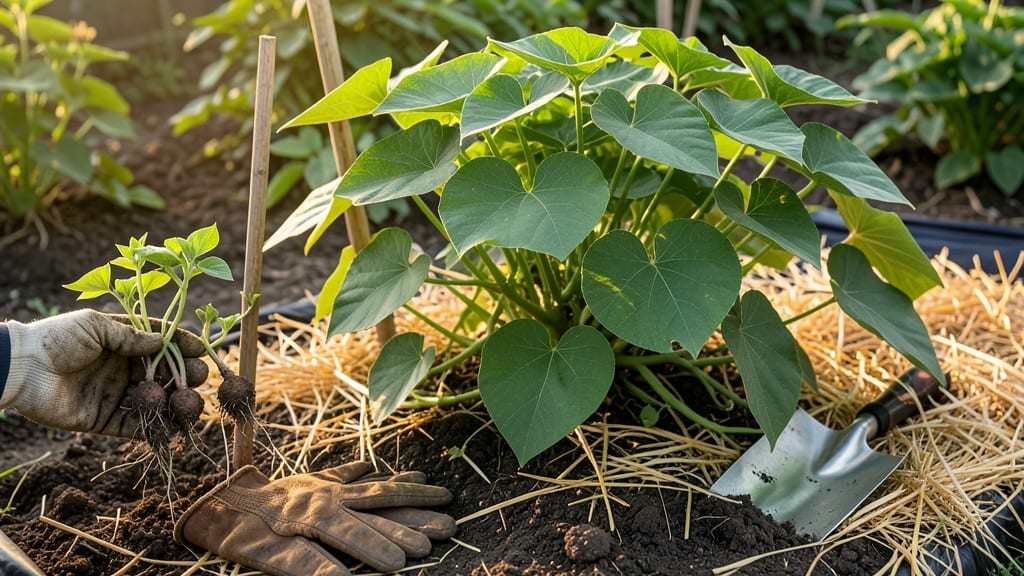
If you've ever wondered when do you plant sweet potatoes in NC, timing is the secret to a bountiful harvest—or a total flop. 🍠 North Carolina's warm climate gives you a narrow window to get these root crops in the ground just right, and planting too early or late can mean the difference between sweet, tender potatoes and bitter, underdeveloped ones.
Most gardeners in zones 7a-8b know sweet potatoes love heat, but they also need time to mature before frost sets in. That means starting your slips—those young plants—after the last frost, typically between mid-April and early June.
But here's the catch: soil temperature matters just as much as the calendar. If you plant when the ground is still cool, your slips might rot before they even sprout.
In this guide, I'll break down the exact planting windows for your specific zone, whether you're growing from slips or seeds, and how to adjust for North Carolina's microclimates—from the sandy soils of the coast to the cooler mountain regions.
You'll also learn how to extend your growing season and avoid the most common mistakes that ruin harvests.
Ready to grow sweet potatoes that are sweeter and more abundant than ever? Let's dive into the details so you can plant with confidence and enjoy a harvest that'll make your taste buds dance.
North Carolina sweet potato planting dates by USDA hardiness zone
North Carolina’s diverse climate zones—from the cooler mountains to the warmer coastal plains—mean planting sweet potatoes at the wrong time can mean poor germination or even crop failure.
The key is waiting until the soil temperature consistently reaches 65°F or warmer, which typically aligns with your USDA hardiness zone. In most of NC, this happens between mid-April and early June, but exact timing varies by region.
Sweet potatoes are heat-loving plants, and they cannot tolerate frost. If you plant too early and a late frost hits, your slips will die. Conversely, planting too late leaves little time for a full harvest before the first frost in November.
Let’s break down the ideal planting windows for each of NC’s 7 USDA hardiness zones, so you can time your planting perfectly.
⚠️ IMPORTANT: Sweet potatoes are almost always grown from slips (young plants), not seeds. You’ll need to start slips indoors or buy them from a nursery about 2-4 weeks before your target outdoor planting date.
Sweet Potato Planting Timeline by NC Zone
| Zone | Last Frost Date | Ideal Planting Window | Soil Temp for Planting | Harvest Window |
|---|---|---|---|---|
| 5b (Mountains) | Mid-May | Late May to early June | 65°F+ (wait for warmth) | Late October |
| 6a (Western NC) | Early May | Mid-May to late May | 65°F+ (soil probe test) | Late September to October |
| 6b (Piedmont) | Mid-April | Early May to early June | 65°F+ (consistent warmth) | Late September to November |
| 7a (Central NC) | Early April | Mid-April to early May | 65°F+ (soil thermometer check) | October to November |
| 7b (Coastal Plain) | Mid-March | Late March to early April | 65°F+ (earlier planting possible) | Late September to November |
| 8a (Southeastern NC) | Late February | Early March to late April | 65°F+ (longer growing season) | November |
| 8b (Coastal NC) | None (year-round growth) | February to May (staggered) | 65°F+ (anytime warm) | December to January |