
Plants
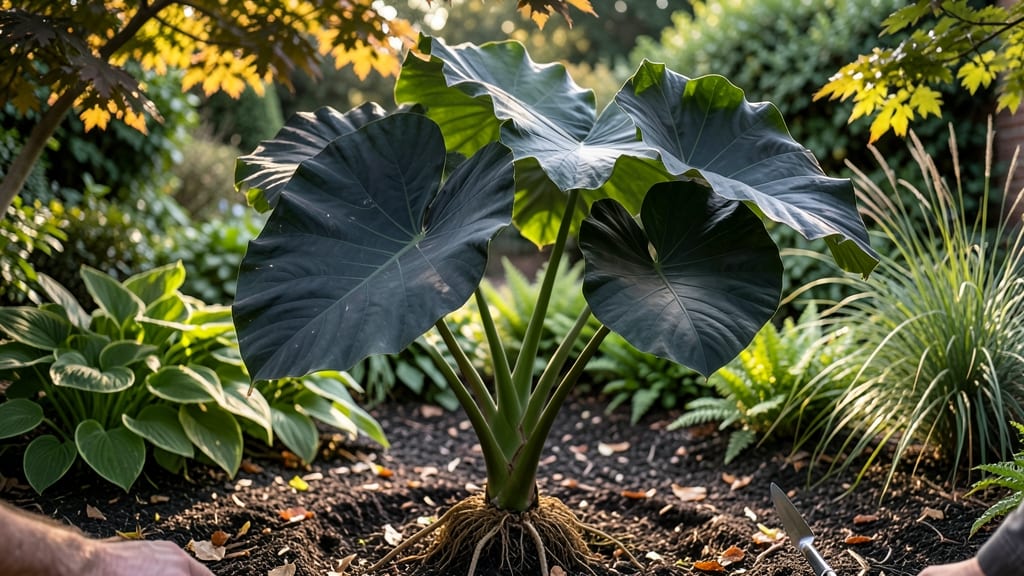
Wondering how tall does an elephant ear plant grow before it becomes a garden statement piece? These tropical beauties 🌿 can surprise you—some varieties stretch toward the sky like living sculptures, while others stay perfectly proportioned for containers.
If you're planning your garden layout, knowing the right size matters. Most Colocasia varieties (the classic elephant ears) typically reach 3-5 feet tall, making them ideal for mid-height beds. Meanwhile, Alocasia species can shoot up to 6 feet or more, creating dramatic focal points in shady corners.
The good news? You can influence their height with simple care tweaks. Too much sun or rich soil can send them skyward faster than expected, while pruning or container growing keeps them manageable.
Whether you're working with USDA Zone 6a conditions or warmer climates, understanding these growth patterns helps you place them perfectly.
Ready to add some tropical drama to your space? I'll walk you through exactly how different varieties perform—and how to keep them at your ideal height, whether you want a 3-foot accent plant or a 6-foot garden star. Let's get growing!

Elephant ear plant height by variety: exact growth expectations
Elephant ear plants (Colocasia spp. and Alocasia spp.) are famous for their bold, tropical leaves that can transform any garden into a lush paradise.
But before you plant, knowing how tall elephant ear plants grow helps you choose the perfect spot—whether that's a cozy container or a sprawling garden bed. Most varieties reach 3 to 6 feet tall, but some can tower even higher under ideal conditions.
The height of your elephant ear depends on two key factors: the specific variety and your growing conditions. For example, Colocasia species like 'Black Stem' typically stay between 2 and 4 feet, while Alocasia varieties like 'Polly' can stretch up to 5 or 6 feet.
Even within the same species, growth habits vary—some spread wide with shorter stems, while others shoot up like skyscrapers.
Here’s the game-changer: container gardening can dramatically reduce height. When grown in pots, elephant ears often stay 20-30% shorter than their in-ground counterparts. This makes them perfect for patios, balconies, or even indoor growing spots with bright, indirect light.
If space is limited, dwarf varieties like Colocasia 'Feeling Blue' max out at just 2 feet tall.
Now, let’s talk about what happens when you plant them in the ground. Most elephant ears are perennial in USDA zones 8-11, meaning they’ll return year after year, growing taller and fuller with each season.
In colder climates (zones 6-7), they’re treated as tender perennials—they’ll die back in winter but can be dug up and replanted in spring, often regaining their previous height.
One common misconception is that elephant ears grow straight up like trees. In reality, many varieties—especially Colocasia—grow in clumping habits, sending up multiple stems from a central crown. This means they can spread 3 to 5 feet wide while only reaching 3 to 4 feet tall.
If you’re worried about overcrowding, plan for both height and width when selecting your spot.
🌿 Pro Tip: If you’re growing elephant ears in full sun (6+ hours of light), expect them to grow taller and faster. However, in hot climates, afternoon shade helps prevent leaf scorch and keeps plants more compact.
The right balance of light and moisture is key to controlling their height naturally.
| Variety | Mature Height | Spread | Growth Habit | Best For |
|---|---|---|---|---|
| Colocasia 'Black Stem' | 2–4 ft | 3–4 ft | Clumping | Containers, borders |
| Colocasia 'Feeling Blue' | 2 ft | 2–3 ft | Compact | Small spaces, pots |
| Alocasia 'Polly' | 3–5 ft | 2–3 ft | Upright | Garden beds, tropical themes |
| Xanthosoma 'Caribbean Moon' | 4–6 ft | 4–5 ft | Spreading | Large gardens, statement plants |
| Colocasia 'Illustris' | 3–4 ft | 3 ft | Clumping | Shady gardens, woodland areas |
As you can see, the Alocasia and Xanthosoma varieties tend to grow taller, making them ideal for backyard accents or focal points. Meanwhile, Colocasia species like 'Feeling Blue' are perfect for small gardens or container gardening.
If you’re unsure which to choose, consider your garden layout and how much vertical space you can dedicate to these tropical beauties.
Another factor that influences height is seasonal growth. Elephant ears grow most aggressively during spring and summer, with new leaves emerging rapidly. In fall, growth slows as temperatures drop, and the plant may go dormant in colder climates.
If you’re in a warm-winter zone (like zones 9-11), your plants might continue growing year-round, reaching their maximum height faster.
For those in cooler climates, don
How to control elephant ear plant height: pruning & growth hacks
If your elephant ear plants are shooting up faster than expected, don’t panic—there are simple ways to manage their height and spread. Whether you’re growing them in containers or garden beds, strategic pruning and care adjustments can keep them at your ideal size while encouraging lush foliage.
First, understand that elephant ears grow quickly—some varieties can add 1-2 feet per season if left unchecked. The key is regular pruning to redirect energy toward wider, healthier leaves rather than towering stems.
Start by removing yellow or damaged leaves at the base, which prevents disease and encourages new growth.
For container-grown plants, choose compact varieties like 'Black Stem' or 'Illustrious', which typically stay under 3 feet tall. Even with these, prune back one-third of the foliage after the first flush of growth to promote bushier habits. Use clean, sharp pruning shears to avoid tearing leaves.
- Step 1: Wait until the plant reaches 1/3 of its mature height (e.g., 1 foot for a 3-foot variety).
- Step 2: Cut back older, outer leaves to the ground, leaving younger inner leaves intact.
- Step 3: For overly tall stems, trim the top 1/4 of the plant to encourage branching.
- Step 4: Remove flower stalks (if they appear) to redirect energy to foliage.
- Step 5: Apply a balanced fertilizer (10-10-10) after pruning to support regrowth.
Another trick is to harvest and propagate your elephant ears to control size. Cut back mature leaves at the base, then replant the tuberous roots or corms in new pots or garden spots.
This not only keeps your original plant compact and manageable but also gives you free plants for friends or your own garden!
For outdoor garden beds, mulch heavily around the base with organic matter like shredded leaves or straw. This helps suppress weeds (which compete for nutrients) and keeps the soil moist and cool, slowing rapid vertical growth.
In hot climates, provide afternoon shade to prevent leggy growth caused by intense sunlight.
Remember, elephant ears are perennials in zones 8-11 but often treated as annuals in colder areas. If you’re in a frost-prone zone, dig up tubers in fall, store them in dry peat moss, and replant the following spring.
This gives you full control over their height and growth cycle each year.