
How To
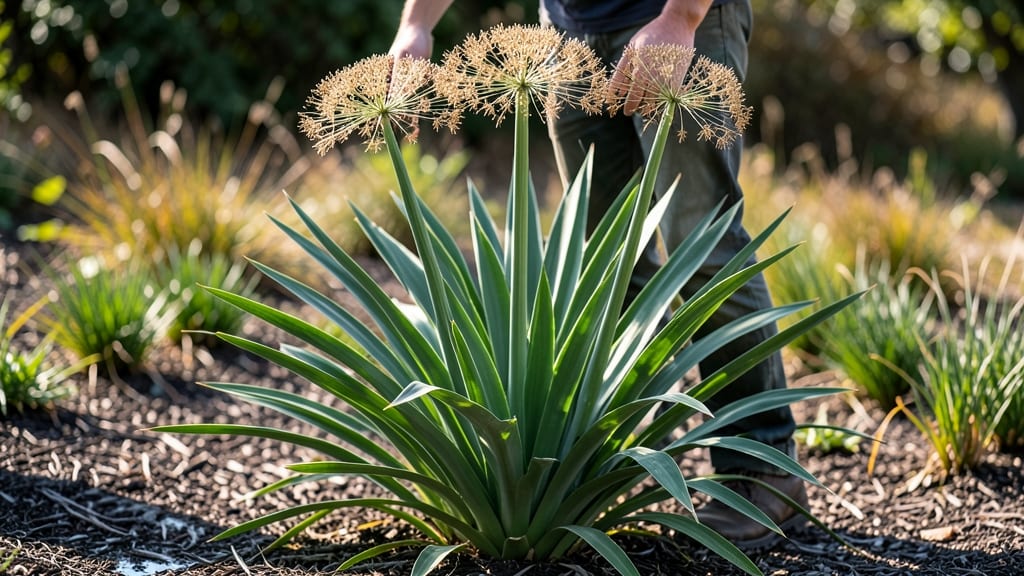
If you’re wondering how tall does papyrus plant grow, prepare to be amazed—this ancient plant can reach heights that rival a basketball hoop! With its striking, umbrella-like foliage, papyrus isn’t just a statement piece; it’s a living piece of history that thrives in the right conditions.
Native to marshy areas of Africa and the Mediterranean, papyrus (🌿 Cyperus papyrus) typically matures between 10 and 15 feet, though its growth depends heavily on sunlight, water, and soil.
In ideal settings—like shallow ponds or moist, nutrient-rich soil—it can shoot up quickly, adding dramatic vertical interest to any garden.
But here’s the catch: papyrus isn’t a one-size-fits-all plant. Whether you’re working with a standard variety or a rare compact type (though true dwarf versions are rare), understanding its growth habits is key to keeping it healthy and thriving.
Let’s break down exactly what to expect—and how to encourage (or control) its impressive height.
From its first spring shoots to its towering mature form, papyrus offers both beauty and practicality. Whether you’re planning a water garden or just curious about its potential, you’ll want to know the best ways to nurture it. Ready to dive in?

Papyrus plant height by variety: exact growth ranges for common species
When it comes to how tall does papyrus plant grow, the answer depends entirely on the variety you choose. The most common species, Cyperus papyrus, is the classic giant, while other varieties like Cyperus alternifolius (umbrella papyrus) offer more compact options.
Understanding these differences helps you plan your garden layout and avoid surprises as your papyrus matures.
The standard papyrus plant (Cyperus papyrus) is the showstopper of the group, capable of reaching 12 to 15 feet tall in ideal conditions. This ancient plant thrived along the Nile River and can grow even taller in tropical climates with abundant water and sunlight.
If you’re aiming for a dramatic focal point, this is the variety to plant—but be prepared for its impressive height!
For those with smaller spaces, Cyperus alternifolius (often called umbrella papyrus) is a fantastic alternative. While it still grows tall, it typically maxes out around 6 to 8 feet, making it perfect for medium-sized ponds or containers.
Its lush, feathery plumes create a softer look compared to the rigid stems of Cyperus papyrus.
Another popular choice is Cyperus haspan, which grows in a more bushy, clumping habit. This variety usually reaches 3 to 5 feet tall, making it ideal for borders or smaller water features.
Its compact size doesn’t mean it lacks impact—its dense foliage adds texture and movement to any garden.
If you’re wondering about dwarf papyrus varieties, the truth is there aren’t true dwarf versions of these species. However, you can control growth with pruning or choose smaller containers to limit their height.
Some nurseries sell "mini" papyrus plants, but these are often just younger specimens of standard varieties that haven’t reached maturity yet.
Here’s a quick comparison to help you visualize the differences. Whether you’re planning a grand water garden or a cozy container setup, knowing these height ranges will help you make the best choice for your space.
| Variety | Mature Height | Growth Rate | Best For |
|---|---|---|---|
| Cyperus papyrus | 12–15 ft | Fast (3–5 ft/year) | Large ponds, dramatic focal points |
| Cyperus alternifolius | 6–8 ft | Moderate (2–3 ft/year) | Medium ponds, containers |
| Cyperus haspan | 3–5 ft | Slow to moderate (1–2 ft/year) | Borders, small water features |
One of the most exciting aspects of growing papyrus is watching it transform over the seasons. In its first year, you’ll likely see 2 to 4 feet of growth, with each subsequent year adding another 3 to 5 feet until it reaches maturity.
This gradual growth gives you plenty of time to adjust your garden plan as the plant develops.
For example, if you plant a Cyperus papyrus in early spring, by year three, it could already be towering over your deck or patio. This rapid growth is one reason papyrus is so beloved by gardeners—it delivers quick rewards!
However, it also means you’ll need to plan for its eventual height from the start, especially if you’re planting near structures or power lines.
If you’re considering papyrus for a container, remember that even the smaller varieties will eventually outgrow their pots. Cyperus alternifolius, for instance, can still reach 6 feet in a large container, though its growth may be slightly slower than in the ground.
To keep it manageable, choose a container with at least 18-inch diameter and be prepared to prune regularly.
No matter which variety you choose, papyrus thrives in full sun and moist conditions. Whether you’re aiming for a towering giant or a more compact look, providing the right care will ensure your plant reaches its full potential height.
Ready to see how care conditions can further influence your papyrus’s growth?
How care conditions affect papyrus plant height: sun, water, and soil secrets
Believe it or not, the height of your papyrus plant isn’t set in stone—it’s heavily influenced by its growing conditions. While mature Cyperus papyrus typically reaches 12-15 feet, you can encourage faster or more controlled growth by tweaking just a few key factors.
Let’s break down how sunlight, water depth, soil quality, and even pruning habits impact its towering potential.
First, sunlight exposure is non-negotiable. Papyrus craves 6+ hours of full sun daily, but here’s the twist: too little sun stunts growth, while too much intense afternoon heat can scorch the tips.
In USDA Zones 8-11, where summers are long and hot, papyrus thrives and can reach its maximum height. However, in cooler climates like Zone 6, it may grow more slowly, maxing out around 8-10 feet unless given extra care.
Now, let’s talk water depth, which is critical for papyrus. This plant loves its feet wet—literally! Planting it in 3-6 inches of shallow water or moist, well-draining soil triggers its fastest growth.
Deeper water (over 12 inches) can cause root rot and slow height gains, while too little moisture stresses the plant, leading to stunted, leggy growth.
If you’re growing papyrus in a container, ensure the pot has drainage holes and sits in a tray of water to mimic its natural habitat.
🌱 Key Factors for Maximum Papyrus Height
- Sunlight: 6+ hours daily = faster growth; partial shade = slower growth
- Water: 3-6 inches deep = optimal height; too deep = root rot; too shallow = stress
- Soil: Rich, organic soil with 5-10-5 fertilizer = taller, healthier stems
- Pruning: Trim dead fronds in spring to redirect energy upward
⚠️ Pro Tip: Avoid over-fertilizing with nitrogen—it promotes leafy growth over height!
Don’t underestimate the power of soil quality. Papyrus thrives in nutrient-rich, slightly acidic soil (pH 6.0-7.5). Amend your garden soil with compost or peat moss to give it a growth boost. Without proper nutrients, your plant may struggle to reach its full height, resulting in weak, spindly stems.
I’ve seen papyrus in pond gardens with added aquatic fertilizer grow 2-3 feet taller than those in plain garden soil!
Finally, pruning habits play a surprising role in height control. Regularly trimming dead or brown fronds in early spring encourages new growth and directs energy toward taller stems. However, avoid heavy pruning in late summer—this can halt vertical growth just as the plant is trying to reach its peak.
Think of it like giving your papyrus a haircut at the right time to keep it looking its best while still growing tall.
If you’re dealing with stunted growth, check these common culprits: poor drainage, lack of sunlight, or nutrient deficiencies. For example, yellowing leaves often signal a nitrogen deficiency, while slow growth in summer might mean your plant needs more water or shade from intense afternoon sun.
Adjusting these factors can make a world of difference in how quickly your papyrus reaches its towering potential.
Ready to watch your papyrus shoot up like the ancient giants it’s named after? With the right care, you’ll be enjoying its dramatic height in no time—just imagine the conversation starter it’ll be at your next garden party! 🌿