
Plants
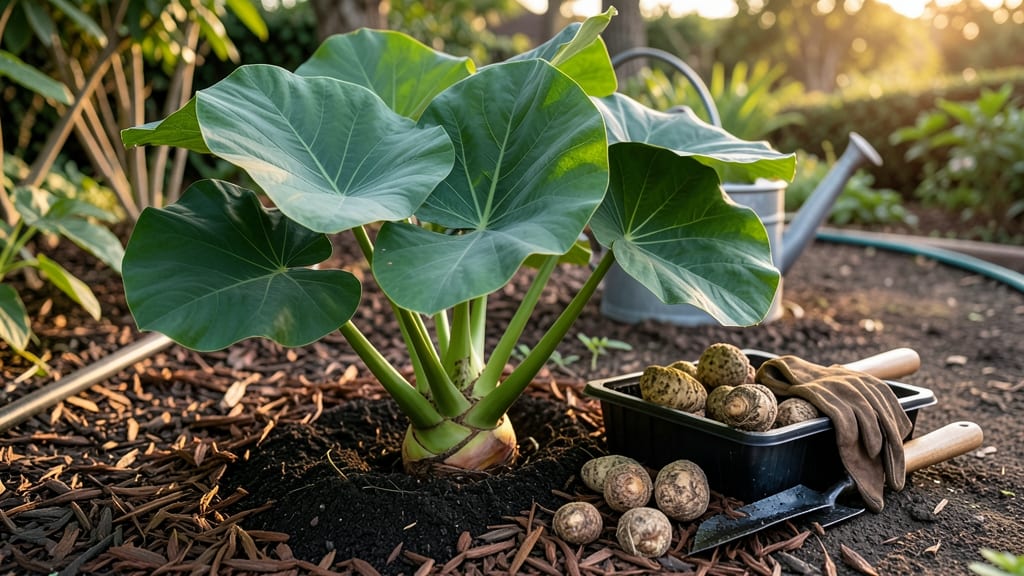
If you're dreaming of dramatic tropical foliage in your Georgia garden, timing is everything when it comes to planting elephant ear 🌿 bulbs. The difference between a thriving, six-foot statement plant and a sad, wilted disappointment often comes down to those critical spring weeks after the last frost.
Georgia's Zone 7b climate gives you a narrow window—typically between mid-March and early April—to get those tubers in the ground when soil temperatures hit that sweet spot of 60°F or warmer.
Plant too early, and frost will nip your hopes in the bud. Too late, and your elephant ear might bolt before showing off its signature giant leaves.
I've seen firsthand how this timing affects growth, especially with varieties like 'Maui Magic' that thrive in our heat. The key is understanding your local microclimate—whether you're in the coastal warmth of Savannah or the Piedmont heat of Atlanta—and adjusting your schedule accordingly.
Let me show you exactly how to nail this planting window for maximum impact.
We'll cover everything from soil prep to sunlight needs, plus what to do if you miss the boat. With the right approach, you'll have lush, tropical-looking foliage that makes your garden the envy of the neighborhood by summer. Ready to get started?
Optimal planting windows for Georgia’s Zone 7b climate
Georgia’s Zone 7b climate creates a narrow window for planting elephant ear bulbs—too early risks frost damage, while late plantings may struggle to establish before summer heat. The key is timing soil warmth and frost-free dates, which vary slightly across the state.
For most of Georgia, including Atlanta and central regions, aim for mid-March to early April when daytime temperatures consistently stay above 60°F.
Elephant ears thrive in Georgia’s heat but need warm soil to sprout. Use a soil thermometer to confirm 60°F+ temperatures at 4 inches deep—this usually aligns with late March.
Coastal areas like Savannah may see earlier planting windows (as early as February 15), while Piedmont regions should wait until after April 1 to avoid late frosts.
For tropical varieties like Colocasia, plant after your last frost date (typically March 15 in Zone 7b). Alocasia varieties, which are slightly more cold-hardy, can tolerate slightly cooler soil (down to 55°F) and may be planted 1-2 weeks earlier.
Always check your local Almanac frost dates for precise timing.
Missed the spring window? Don’t worry—elephant ears can also be planted in early summer (June) for a second flush of growth. However, summer plantings may not reach full maturity before winter, so prioritize heat-tolerant varieties like ‘Maui Magic’ or ‘Black Stem’ for better success.
Here’s a quick reference for Georgia’s Zone 7b planting timeline:
| Stage | Action | Soil Temp | Frost Risk |
|---|---|---|---|
| Late February | Prep soil (coastal GA only) | 55°F+ | High |
| Mid-March | Plant Alocasia varieties | 55-60°F | Moderate |
| Late March | Plant Colocasia varieties | 60°F+ | Low |
| Early April | Final planting window (Piedmont GA) | 60°F+ | None |
| June | Summer planting for late-season growth | 65°F+ | None |
Pro tip: If you’re unsure about frost dates, use biodegradable frost cloth for the first 2-3 weeks after planting. This adds a 5-10°F buffer and protects tender shoots. Remove it once daytime temps stay above 65°F consistently.
For container growing, you can plant elephant ears 2-3 weeks earlier than ground plantings. Containers warm up faster and can be moved to sheltered spots if frost threatens. Just ensure pots have drainage holes—these plants hate soggy roots.
Once planted, mulch with 2-3 inches of organic mulch (like shredded leaves or straw) to retain soil moisture and regulate temperature. This is especially critical in Georgia’s hot, humid summers, where mulch helps prevent soil from drying out too quickly.
Remember: Elephant ears are not frost-tolerant, so always monitor your local weather forecasts in late spring. If a late frost is predicted, cover plants with frost blankets or move containers indoors temporarily.
With the right timing, your elephant ears
Optimal planting windows for Georgia’s Zone 7b climate
Georgia’s Zone 7b climate creates a narrow but critical window for planting elephant ear bulbs. The key is waiting until after the average last frost date, which typically falls around March 15 in most of the state.
However, soil temperature is more important than calendar dates—your tubers need consistently warm soil at 60°F or above to thrive.
For Colocasia varieties like 'Black Stem' or 'Illustris', aim for planting between mid-March and early April.
These tropical plants love heat and will reward you with bold foliage if given enough growing season. Alocasia types, like 'Polly', are slightly more heat-tolerant and can handle late spring plantings into May if your soil stays warm.
Here’s the science-backed timeline you need to follow for Zone 7b success:
| Stage | Action | Soil Temp | Risk |
|---|---|---|---|
| Early March | Prep soil, wait for last frost | Below 60°F | Frost damage |
| Mid-March | Plant Colocasia varieties | 60-65°F | Low (if frost-free) |
| Early April | Plant Alocasia varieties | 65-70°F | Heat stress if late |
| May | Emergency plantings (containers) | 70°F+ | Slower growth |
If you’re in northern Georgia (closer to Zone 7a), push back your planting by 1-2 weeks to account for later frost dates. In southern Georgia (Zone 8a), you can plant as early as February if your soil warms up early. Always check your local Almanac frost dates for precision.
Pro tip: Use a soil thermometer to verify warmth before planting. Cold soil will stunt growth, and your elephant ears may never reach their full 4-6 foot height. Once planted, mulch heavily to maintain soil warmth and retain moisture—critical for Georgia’s hot, dry summers. 💧
Remember, these tropical plants hate cold. Even a light frost after planting can kill young shoots. If you’re unsure about your local frost dates, err on the side of planting later rather than risking damage.
With the right timing, you’ll have lush foliage by June that’ll make your garden the talk of the neighborhood. ✂️