
Plants
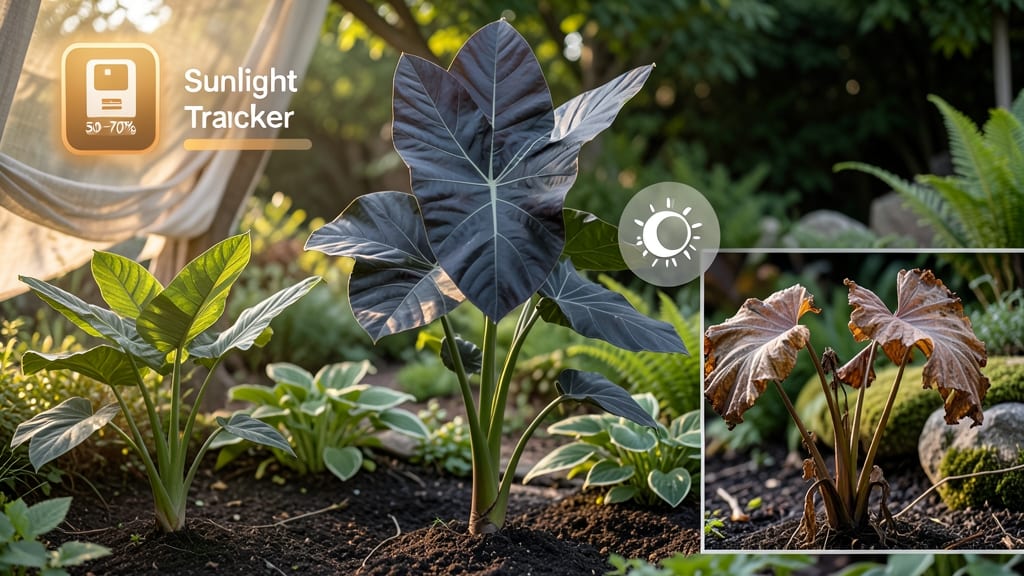
Ideal light requirements for elephant ear plants: partial shade vs. bright indirect sun
Elephant ear plants (Colocasia spp.) thrive in bright indirect light with partial shade, making them perfect for dappled sunlight spots in gardens. These tropical beauties crave 4-6 hours of morning sun but need protection from intense afternoon rays that can scorch their leaves.
In my Zone 7 garden, I’ve found that positioning them under filtering tree canopies or near east-facing windows yields the best results.
The key is balancing light intensity and duration. Too little light leads to weak, pale leaves, while too much causes brown edges and crispy foliage. I’ve learned this the hard way—my first attempt with full sun exposure turned my stunning ‘Black Stem’ variety into a sad, sunburnt mess!
Understanding this balance is crucial for keeping your plants lush and vibrant year-round.
🌿
| Light Condition | Daily Sun Exposure | Best For | Signs of Stress |
|---|---|---|---|
| Bright Indirect Light | 4-6 hours (morning sun) | Ideal for most varieties | Healthy, glossy leaves |
| Partial Shade | 2-4 hours (dappled light) | Hot climates or high sun | Slow growth, pale leaves |
| Full Sun | 6+ hours (direct) | Avoid unless acclimated | Brown edges, leaf scorch |
| Deep Shade | <2 hours | Indoor or north-facing | Leggy stems, weak growth |
For outdoor gardens, I recommend placing elephant ears where they receive morning sunlight and afternoon shade. This mimics their natural tropical habitat, where they grow under the canopy of larger trees. In my experience, east-facing garden beds work wonders, as the sun is gentler in the morning.
If you’re in a hot, dry climate, consider adding 30-50% shade cloth during peak summer hours to prevent leaf burn.
Seasonal adjustments are also key. During spring and fall, when sunlight is less intense, you can gradually increase exposure. But in summer’s harsh midday sun, even the hardiest varieties like ‘Rising Sun’ need protection.
I’ve seen dramatic improvements in leaf health by simply moving plants to a shadier spot when temperatures exceed 85°F (29°C).
Indoor growers should aim for a south- or west-facing window but with sheer curtains to diffuse harsh light. I’ve had great success with grow lights set to 12-14 hours per day during winter months when natural light is scarce.
A simple LED grow bulb placed 12-18 inches above the plant mimics the ideal light spectrum without overheating.
🌞
Pro tip: Rotate your plants every few weeks to ensure even light exposure on all sides. This prevents lopsided growth and helps maintain that perfect symmetrical shape elephant ears are known for. I rotate mine every 7-10 days, and the difference in foliage quality is noticeable.
Pair this with consistent moisture (their roots love damp soil), and you’ll have show-stopping plants all season long.
🌱
Ideal light requirements for elephant ear plants: partial shade vs. bright indirect sun
Elephant ear plants (Colocasia spp.) thrive in bright indirect light, but they’re sensitive to harsh afternoon sun. The key is morning sunlight (2-4 hours) followed by dappled shade—think filtered light under tall trees or a sheer curtain.
Too much direct sun causes leaf scorch, while too little shade leads to weak, leggy growth. Here’s how to strike the perfect balance for your plants’ health and vibrancy.
In temperate climates, aim for 4-6 hours of morning sun and afternoon shade. If you’re in a hotter region (Zones 8-10), reduce direct sun to 2 hours max to prevent browning.
Container plants need even more protection—their roots can’t regulate heat like in-ground plants. Always monitor your plant’s leaf color: deep green means happy, while pale or yellowing signals insufficient light.
🌿
| Light Condition | Direct Sun Hours | Best For | Signs of Stress |
|---|---|---|---|
| Bright Indirect Light | 2-4 hours (morning only) | Ideal for most varieties | Deep green leaves, strong stems |
| Partial Shade | 0-2 hours (filtered light) | Hot climates, containers | Pale leaves, slow growth |
| Full Sun | 4+ hours (direct) | Avoid—causes scorch | Brown edges, crispy leaves |
Seasonal adjustments are critical. During spring and fall, when sun is gentler, you can tolerate up to 4 hours of morning sun. But in summer, move your elephant ears to a shadier spot or use a 30-50% shade cloth to block intense rays.
If growing indoors, place them 2-3 feet from an east or west-facing window—south-facing windows often deliver too much heat.
For container-grown plants, rotate them quarter-turns weekly to ensure even light exposure. This prevents lopsided growth and helps all leaves get the bright indirect light they crave.
If you notice brown patches on leaves, it’s a sign of sunburn—immediately move the plant to a shadier spot and increase humidity with a pebble tray.
In winter, reduce light concerns—these tropical plants may go dormant. Keep them in a cool, bright spot (like a north-facing window) and water sparingly. The goal is to mimic their natural cycle without stressing them further.
With the right light balance, your elephant ears will reward you with bold foliage and dramatic growth all season long.
☀️