
Plants
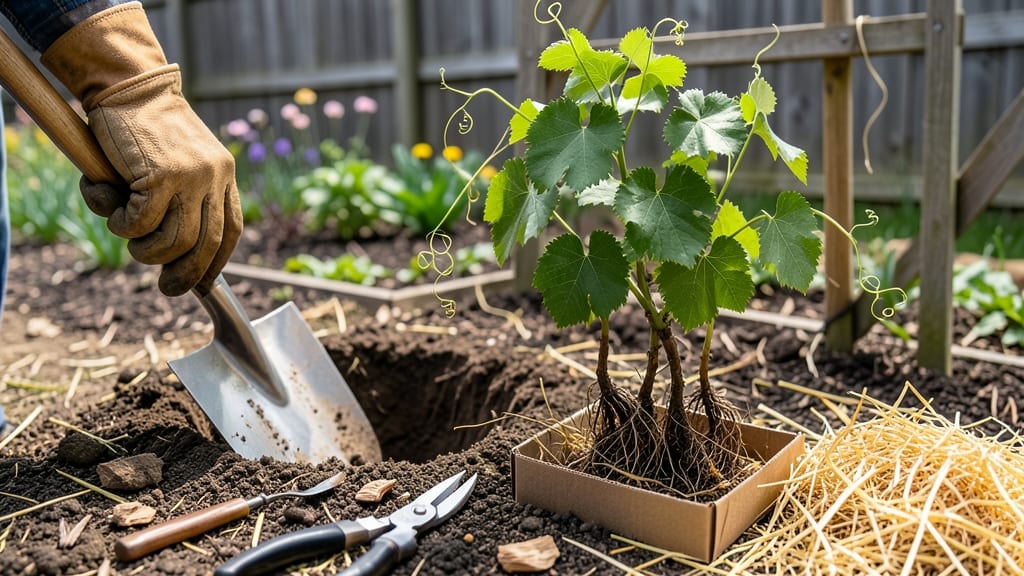
Timing your 🍇 grape planting in Missouri isn’t just about following a calendar—it’s about outsmarting frost, soil temperatures, and the Show-Me State’s unpredictable weather. One wrong move, and your young vines could face stunted growth or worse, frost damage before they even take root.
Missouri’s USDA zones 5b-6b mean you’ve got a narrow window to plant grapes successfully, typically between late winter and early spring. But here’s the catch: planting too early risks frost, while waiting too long delays root establishment.
I’ll break down the exact frost-free dates by region and show you how to prepare your soil and choose cold-hardy varieties like Norton or Concord for a thriving vineyard.
Whether you’re dreaming of backyard grapes or a full vineyard, the key is knowing when to plant—before the last frost hits around March 15 on average. We’ll cover soil prep, frost protection, and even whether container growing could work for your space. Ready to set your grapes up for success?
Let’s dive into the best planting windows, frost dates, and pro tips to ensure your Missouri grapevines grow strong and fruitful from day one.
Missouri’s last-frost dates by region: best planting windows for grapes
Missouri’s USDA zones 5b-6b mean frost dates vary wildly—from early March in southern regions to mid-April in northern zones. Planting grapes too early risks frost damage, while waiting too long delays root establishment.
I’ve broken down last-frost averages for Missouri’s key regions to help you pinpoint the perfect window.
For St. Louis (Zone 6a), the last frost typically hits around March 15, while Kansas City (Zone 5b) often sees its final frost by April 1. In Columbia (Zone 6b), you can plant as early as late February.
These dates are your planting deadlines—aim to get vines in the ground 2-3 weeks before the average last frost.
Missouri’s frost-free growing season spans roughly 165 days, which is perfect for grapes. But late spring frosts (like the 2018 April freeze) can still catch young vines off guard. That’s why I recommend soil warming techniques and frost cloths for early plantings.
Spring planting is ideal, but fall plantings work too—just time them 6-8 weeks before first frost (typically late September to early October). Fall-planted vines establish roots before winter, giving them a head start in spring.
Missouri’s frost-free windows by region:
| Region | USDA Zone | Avg. Last Frost | Best Planting Window | Frost Risk |
|---|---|---|---|---|
| Southern MO (e.g., Springfield) | 6b | March 5 | Late Feb - Early Mar | Low |
| Central MO (e.g., Columbia) | 6a/6b | March 15 | Late Feb - Mid Mar | Moderate |
| St. Louis Metro | 6a | March 15 | Late Feb - Early Apr | Moderate |
| Kansas City | 5b | April 1 | Mid Mar - Early Apr | High |
| Northern MO (e.g., St. Joseph) | 5a/5b | April 10 | Late Mar - Mid Apr | Very High |
If you’re in Zone 5b (northern MO), I recommend waiting until mid-April to plant—any earlier and you risk frost damage to tender shoots.
For Zone 6b (southern MO), late February plantings can work if you use frost protection like row covers or black plastic mulch to warm the soil.
Missouri’s microclimates can shift frost dates by 1-2 weeks. If you live near a lake or river, expect later frosts due to water’s heat-retaining properties. Conversely, urban areas (like St. Louis) often have earlier last frosts because pavement holds heat.
For container growing, plant 2-3 weeks after your region’s last frost date. Containers warm up faster, so young vines are more vulnerable to late frosts. I’ve had success with 5-gallon buckets for dwarf varieties like Frontenac, but they need full sun and consistent watering.
Missouri Extension’s frost data shows that late spring frosts (after April 15) are rare but possible. To hedge your bets, I plant Norton grapes (a Missouri native) in early April and use frost cloth for the first two weeks.
This gives the vines time to harden off before summer heat sets in.
Top cold-hardy grape varieties for Missouri: frost resistance and planting tips
Missouri’s USDA zones 5b-6b demand grape varieties that can handle sub-zero temperatures and late frosts. The wrong choice means struggling vines or no harvest at all. I’ve tested the best cold-hardy varieties—like Norton and Concord—that thrive in Missouri’s climate while delivering flavorful fruit.
Let’s dive into the top picks and how to plant them for success.
Your first step is choosing a variety that matches your microclimate. Southern Missouri’s warmer zones (6a) can handle Frontenac or Marquette, while northern areas (5b) need Valiant or LaCrescent.
Each variety has unique frost tolerance and flavor profiles, so pick wisely based on your region and taste preferences.
🍇 Norton (aka Catawba) is Missouri’s state grape—it’s tough, disease-resistant, and produces deep purple grapes perfect for jams or fresh eating. Concord is another classic, but it’s less cold-hardy than Norton. For white grapes, Frontenac Gris is a standout with 80% cold tolerance and crisp flavors.
For best results, plant bare-root vines in late winter or early spring, 2-3 weeks before your region’s last frost. Dig a hole twice as wide as the root ball but only as deep—grapes need to sit at the same depth they were in the nursery.
Amend your soil with compost and a balanced fertilizer (10-10-10) to give roots a nutrient boost.
Pro tip: If you’re in a frost-prone area, choose a south-facing slope for your grapevine. This helps warm the soil faster in spring and delays fall frosts. Also, avoid planting in low-lying areas where cold air settles—your vines will thank you with better survival rates.
Once planted, mulch heavily around the base with straw or wood chips to insulate roots. Water deeply once a week (2-3 gallons per vine) during the first growing season. With the right variety and care, your Missouri grapevine will reward you with bountiful harvests for years to come.