
Plants
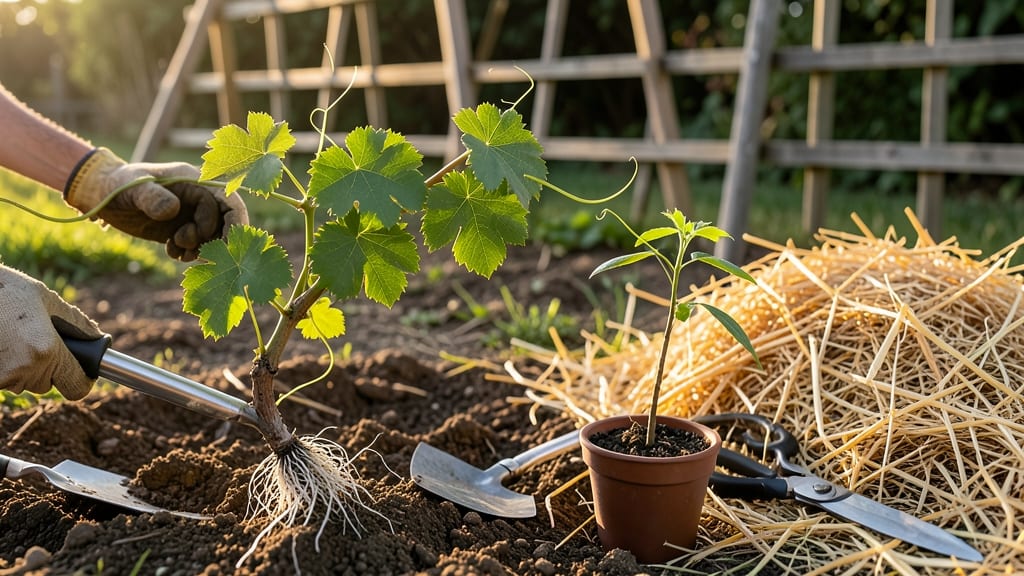
Timing your 🍇 grape planting in Michigan isn’t just about the calendar—it’s about dodging late frosts that could wipe out your vines before they even take root.
With USDA Zones 5b-6b bringing unpredictable swings from 30°F to 70°F in early spring, planting too early or too late can mean the difference between a thriving vineyard and a sad pile of frostbitten shoots.
Most Michigan gardeners swear by April to early May for bare-root vines, when soil temperatures finally hit that sweet spot of 50°F+—but there’s a catch. If you’re working with potted grapes, wait until after the last frost date (usually around April 15, though it varies by region).
The key is giving your vines 6-8 weeks of warm weather before the first hard frost rolls in around October 15.
Why does this matter? Because grapes planted at the wrong time struggle to establish strong roots before winter, leaving them vulnerable to cold damage.
I’ve seen firsthand how a 10-day delay can turn a promising vine into a weakling—so let’s cut to the chase: the best window is narrow, but the payoff is worth it.
In this guide, I’ll break down the exact planting deadlines for Michigan’s most popular varieties (like Concord and Niagara), plus soil prep tips and frost-proofing tricks to ensure your vines not only survive but thrive through Michigan’s wild weather. Ready to get started?
Optimal planting windows for Michigan grapes by variety type
Michigan’s USDA Zones 5-6 demand careful timing for grape planting, as late frosts can devastate tender shoots. The best window for bare-root vines is early April to mid-May, when soil temperatures reach 50°F+—critical for root establishment.
For potted grapes, wait until after your last frost date (typically mid-April in southern Michigan, late April in northern regions).
Cold-hardy varieties like Concord and Niagara thrive when planted in early spring, while tender varieties such as Chardonnay or Cabernet Franc should wait until late spring to avoid frost damage.
Michigan’s short growing season (only 165 frost-free days) means every week counts—plant too late, and your vines may struggle to mature before winter.
Soil temperature is your most reliable guide. Use a soil thermometer to confirm 50°F+ at 6-inch depth—this ensures roots can absorb moisture and nutrients without freezing.
In northern Michigan (Zone 5b), aim for April 15-30, while southern Michigan (Zone 6a) gardeners can plant as early as mid-April.
For fall planting, Michigan’s climate is not ideal due to early frosts, but you can plant bare-root vines in late August to early September if your soil stays warm enough for root growth.
However, this method requires extra mulch (6+ inches) to insulate roots before dormancy. Most Michigan growers stick to spring planting for reliability.
| Variety Type | Best Planting Window | Soil Temp Threshold | Frost Risk | Michigan Notes |
|---|---|---|---|---|
| Cold-Hardy (Concord, Niagara) | Early April–Mid-May | 50°F+ | Low (Zone 5-6 adapted) | Plant before buds swell; prune aggressively for cold. |
| Tender (Chardonnay, Cabernet) | Late May–Early June | 55°F+ | High (delay until after last frost) | Use row covers if planting early; avoid clay soils. |
| Hybrids (Frontenac, Marquette) | April 15–May 15 | 48°F+ | Moderate (disease-resistant) | Ideal for Michigan; plant early for long harvests. |
| Potted Grapes (Any Variety) | After Last Frost (Mid-April–May) | 50°F+ | Low (container insulation) | Move containers to sunny spots; water deeply 2x/week. |
If you’re planting bare-root vines, soak roots in water for 2-4 hours before transplanting to rehydrate them. Dig a trench 2-3 feet long and lay roots horizontally, ensuring they’re 6-12 inches deep—this encourages deep root growth.
For potted grapes, dig a hole twice as wide as the root ball and amend the soil with compost to improve drainage.
Michigan’s clay-heavy soils can suffocate roots, so mix in organic matter (leaf mold or aged compost) to improve aeration. If your soil is waterlogged, plant on a mound or raised bed to prevent root rot. Drainage is non-negotiable—grapes hate soggy feet, even in Michigan’s humid summers.
After planting, mulch heavily (4-6 inches) with straw or wood chips to retain moisture and regulate soil temperature. This is especially critical in Zone 5b, where late spring frosts can linger into May.
Water deeply once a week for the first month to encourage root expansion before the growing season kicks into gear.
Pro tip: Use a frost clock or local Michigan State University Extension frost date maps to track your region’s average last frost. In northern Michigan, this can be as late as May 15, while southern Michigan may see frost-free conditions by mid-April.
Adjust your planting timeline accordingly to avoid frost damage to emerging shoots.
For maximum yield, time your planting so vines have 6-8 weeks
How to time planting for maximum vine establishment before winter
Planting grapes in Michigan isn’t just about avoiding frost—it’s about giving your vines enough time to establish roots before winter dormancy. I’ve learned the hard way that 6-8 weeks of warm weather before the first hard frost (usually around October 15) is non-negotiable for survival.
If you plant too late, your vines won’t have the energy reserves to weather Michigan’s harsh winters.
Start by checking your local last frost date, which typically falls between April 15 and May 1 across the state.
For example, gardeners in USDA Zone 5b (like northern Michigan) should aim to plant by May 1, while those in Zone 6b (southern Michigan) can push it to May 10. This window ensures your vines have enough time to harden off before winter.
Here’s the key: Soil temperature must reach 50°F+ consistently for at least a week before planting. Use a soil thermometer to confirm—cold soil slows root growth and makes vines vulnerable to disease.
I always test mine in the morning when temps are coolest; if it’s below 50°F, wait a few more days.
- April 15-30: Plant bare-root vines as soon as soil warms to 50°F+. Choose a cloudy day to reduce transplant shock.
- May 1-10: Plant potted grapes after last frost date. Water deeply to encourage root spread.
- June 15: Vines should show 2-4 inches of new growth. If not, check for root rot or poor drainage.
- July 31: Vines must be well-established with 6+ inches of root growth before slowing down for winter.
- September 1: Apply winter mulch (4-6 inches of straw) to protect roots from freezing.
Don’t forget to monitor your vines’ growth rate after planting. Healthy vines should sprout within 2-3 weeks of planting. If growth stalls, it could signal root damage or nutrient deficiency. I always fertilize with a balanced 10-10-10 mix 4-6 weeks after planting to give them a growth boost.
For late springs (like the 2021 frost in May that caught many off guard), have a backup plan. If frost threatens, cover young vines with frost blankets or row covers.
I’ve also had success with black plastic mulch, which warms the soil faster and gives vines a head start in cooler years.
Finally, remember that northern exposures or urban microclimates can delay soil warming by 1-2 weeks. Adjust your planting date accordingly—better to wait than risk losing your investment to frost.
With the right timing, your grapes will be ready to thrive through Michigan’s winters and produce bountiful harvests for years to come. 🍇