
Plants
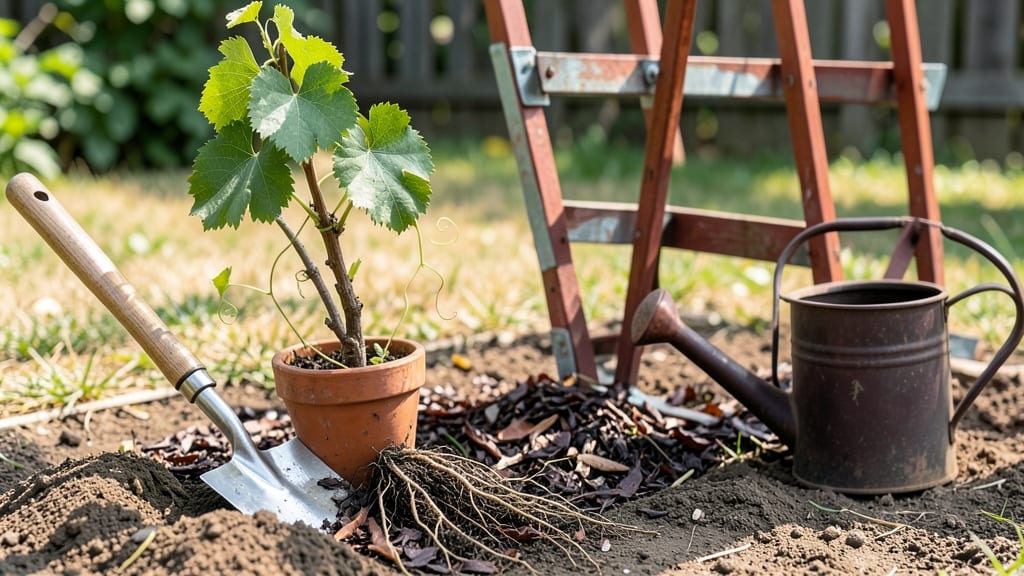
Planting grape vines in California at the wrong time can mean the difference between a thriving harvest and a struggling vine that never reaches its full potential.
With 9a-10b zones across the state, timing matters more than you might think—coastal areas like San Diego have a longer growing window, while inland valleys like the Central Valley face earlier frosts.
The ideal window for most grape growers is late winter to early spring (February-March) or fall (October-November), when temperatures are cool but not freezing. This gives your 🍇 roots time to establish before summer’s heat kicks in, setting the stage for strong canes and abundant fruit.
But here’s the catch: bare-root vines and container-grown plants each have their own best timing.
Whether you’re planting in the mild coastal climate or the hotter inland valleys, getting the timing right reduces transplant shock and maximizes yield.
I’ll walk you through the exact deadlines for each microclimate, plus how to prep your soil and adjust for frost risks—so you can avoid common mistakes that derail even the most promising vines.
Ready to turn your grapevine dreams into a reliable harvest? Let’s dive into the step-by-step guide that matches your region’s unique conditions.
California’s best grape planting zones by microclimate and deadlines
California’s grape-growing regions vary wildly—from coastal fog belts to inland desert valleys. Your planting window depends on last frost dates and soil temperature thresholds (ideally 60°F+ for root growth). Let’s break down the best times by region to ensure your vines thrive from dormancy to harvest.
In Northern California (e.g., Napa, Sonoma), where USDA Zone 9b-10a dominates, your ideal planting window is late February to early April. Coastal areas like Santa Barbara (Zone 10b) can plant year-round due to mild winters, but fall planting (October-November) is safest to establish roots before summer heat.
For Central Valley growers (e.g., Fresno, Madera), Zone 9a-9b, aim for January 15 to March 15. These areas face earlier frosts (often by December 1), so planting too late risks transplant shock before winter dormancy.
Southern California’s desert regions (Zone 10a-10b) can plant September to November, avoiding summer’s 100°F+ soil temps.
Soil temperature is your #1 cue. Use a soil thermometer—roots need 55°F+ to grow. In cooler inland valleys, wait until soil hits 60°F (usually March-April), while coastal zones can start as early as February.
Here’s your region-specific planting timeline with frost-free deadlines and soil prep tips:
| Region | USDA Zone | Best Planting Window | Last Frost Date | Soil Temp Threshold | Key Notes |
|---|---|---|---|---|---|
| Northern CA (Napa, Sonoma) | 9b-10a | Late Feb - Early April | Feb 15 - Mar 1 | 60°F+ | Cool nights; mulch heavily. |
| Central Valley (Fresno, Madera) | 9a-9b | Jan 15 - Mar 15 | Jan 1 - Feb 15 | 55°F+ | Hot summers; drip irrigation essential. |
| Coastal CA (Santa Barbara, Monterey) | 10a-10b | Oct - Nov or Feb - Mar | Rare frost | 58°F+ | Fog-prone; trellis for airflow. |
| Southern CA Desert (Palm Springs) | 10a-10b | Sep - Nov | None | 65°F+ | Shade cloth for young vines. |
Pro tip: Bare-root vines need 6-8 weeks to establish roots before summer heat hits. If planting in fall (October-November), choose container-grown vines to avoid winter stress. For inland valleys, prioritize early spring to outpace summer drought.
Missed the window? Container-grown grapes can be planted year-round in coastal zones, but inland areas should wait until soil temps rise above 55°F. Use black plastic mulch to warm soil
Critical signs your grapevine planting timing is perfect (or wrong)
Timing your grapevine planting isn’t just about the calendar—it’s about reading your vine’s dormancy signals and your soil’s temperature cues. Planting too early risks frost damage, while waiting too long delays root establishment. Here’s how to tell when your 🍇 is ready for the ground.
First, check bud dormancy. Healthy grapevine buds should appear slightly swollen but not yet breaking dormancy. If they’re still tight and brown, your vine isn’t ready—planting too early can shock the roots.
Conversely, if buds are already green and puffy, you’ve missed the window for late-winter planting and should wait for fall.
⚠️ Warning: Common Planting Timing Mistakes
Planting too soon after frost: Cold soil (below 50°F) stunts root growth, leaving vines vulnerable to disease. Inland valleys like the Central Valley often see last frosts in January, so wait until soil warms to 55°F.
Ignoring microclimate deadlines: Coastal areas (e.g., San Diego) can plant year-round in containers, but inland zones must stick to fall or early spring to avoid summer drought stress.
Overlooking container-grown vs. bare-root timing: Bare-root vines need 6-8 weeks to establish roots before summer heat, while potted vines can handle transplant shock better in mild fall conditions.
Next, test your soil temperature at a depth of 6 inches. Use a soil thermometer—ideal planting temps range between 55°F and 65°F. If your soil is still chilly (below 50°F), your vine’s roots won’t activate, leading to transplant shock.
Warmer soil (above 70°F) can also stress roots, so aim for that sweet spot.
Watch for seasonal cues like blooming winter jasmine or almond trees, which signal rising temperatures. In Northern California (USDA Zone 9a), these cues appear by late February, while Southern California (Zone 10b) sees them as early as January. Adjust your planting schedule accordingly.
Finally, inspect your vine’s root system. Bare-root vines should have white, flexible roots with no signs of drying or browning. If roots look shriveled or brittle, your vine was likely dug up too early and needs rehydration before planting.
Container-grown vines should have healthy, moist roots filling the pot—if roots circle the container, trim them to encourage outward growth.
By combining these visual checks with your local frost dates, you’ll avoid the most common timing pitfalls. Remember: fall planting (October-November) gives vines a head start on root growth before winter, while spring planting (February-March) aligns with natural bud break.
Either way, act when your vine and soil are both ready—not a day sooner. 🌱