
Plants
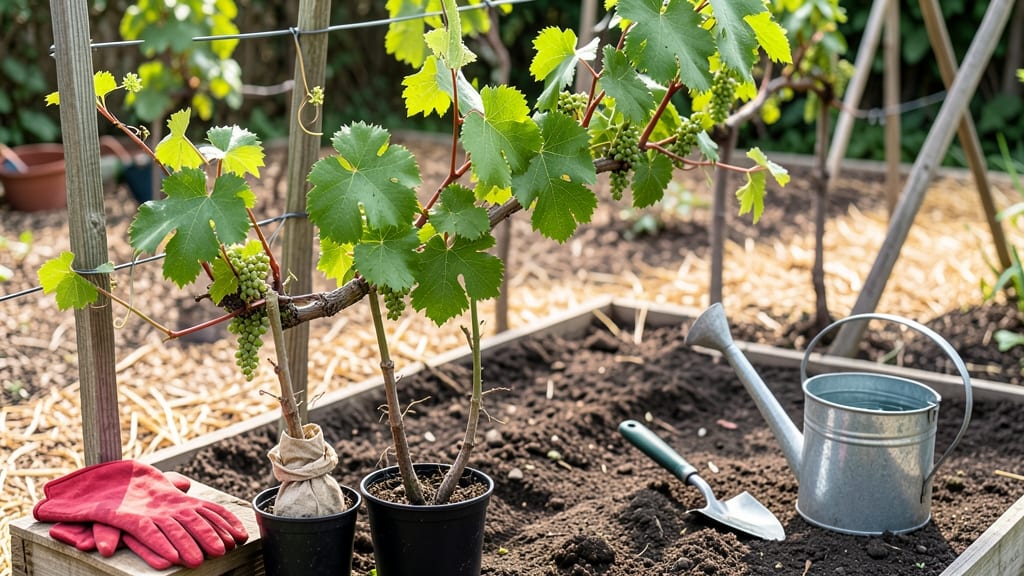
Timing your grapes 🍇 planting in California isn’t just about the calendar—it’s about mastering the microclimates that turn your vineyard dreams into reality. Coastal fog, Central Valley heat, and desert winds all demand different strategies, and getting it wrong could mean wasted effort or even crop failure.
If you’ve ever wondered why some growers plant in late winter while others wait until spring, the answer lies in your USDA zone and grape variety. Coastal regions like 9-11 thrive with November-February plantings, while inland valleys (zones 8-10) often prefer February-March.
The key? Understanding when soil warms and frost risks fade.
In this guide, I’ll break down the best months to plant for wine grapes, table grapes, and everything in between—plus the critical steps to prep your soil, choose the right rootstock, and keep your vines healthy year-round. No more guesswork, just proven results for California’s diverse growing zones.
Ready to plant with confidence? Let’s dive into the exact timing and techniques that’ll set your grapes up for a bumper harvest—no matter where you’re growing in the Golden State.
California grape planting calendar by climate zone
California’s climate varies dramatically from region to region, which means the best time to plant grapes depends entirely on where you live. Coastal areas like San Francisco and Santa Barbara enjoy milder winters, while inland valleys like the Central Valley face hotter summers and colder winters.
Even desert regions like Palm Springs have their own unique growing seasons. Let’s break down the optimal planting windows for each zone to ensure your grapevines thrive.
For Northern California (USDA Zones 8-9), including areas like Sonoma and Napa Valley, the ideal time to plant is between late February and early April. This window allows vines to establish roots before the summer heat peaks.
In Central California (Zones 9-10), such as Fresno or Madera, you’ll want to plant between January and March to avoid the intense summer droughts. Meanwhile, Southern California (Zones 10-11), including Riverside and San Diego, offers a more extended planting season from November through March.
Soil temperature is a critical factor in determining the perfect planting time. Grapes prefer soil temperatures between 50°F and 60°F for root establishment.
In cooler coastal regions, this is typically achieved by February or March, while inland areas may need to plant as early as January to hit this window. Always check your local USDA frost dates—planting too early in frost-prone areas can damage young vines.
Here’s a quick comparison of the best planting months for each California region, including soil temperature and frost risk:
If you’re planting in coastal areas, like Santa Barbara or Monterey, you’ll benefit from a longer planting window due to milder winters. However, these regions can experience summer fog, which may slow vine growth if not managed properly.
In contrast, inland valleys like San Joaquin Valley require earlier planting to avoid the extreme heat of summer, which can stress young vines.
One common mistake is planting too late in the season, especially in warmer regions. For example, planting in April or May in the Central Valley can lead to heat stress before the vines establish roots.
Always aim to plant when soil temperatures are ideal and before the peak growing season begins. This ensures your grapevines have enough time to root deeply and adapt to their environment before facing summer challenges.
For container-grown grapes, timing is slightly more flexible, but you’ll still want to plant during the cooler months. Containers dry out faster, so planting in spring (March-April) allows you to monitor moisture levels more closely.
Just ensure your containers have drainage holes and use a well-draining potting mix to prevent root rot.
Pro tip: If you’re unsure about your local frost dates, check with your county agricultural extension office. They can provide hyper-local advice tailored to your specific microclimate. For example, Napa Valley may have frost risks as late as March, while Palm Springs rarely sees frost after October.
Knowing these details can save your vines from frost damage in their first critical year.
Finally, consider the dormancy period of your grape variety. Some varieties, like Cabernet Sauvignon, benefit from being planted while dormant (late winter/early spring),
Best grape varieties and their ideal planting months in California
Choosing the right grape variety for your California garden isn’t just about taste—it’s about matching your microclimate and planting at the perfect time. Wine grapes like Cabernet Sauvignon thrive in the Central Valley’s heat, while Thompson Seedless table grapes prefer cooler coastal regions.
Let’s break down the ideal planting months for your top grape options.
For coastal California (USDA zones 9-11), plant most varieties between November and February to avoid late frosts. Inland valleys (zones 8-10) can wait until February or March when soil warms. Desert regions (zones 9b-11) often plant in late winter to early spring to escape summer heat stress.
Here’s a quick guide to help you pick the best variety and timing for your location:
If you’re growing wine grapes like Cabernet Sauvignon or Syrah, prioritize inland valleys where summer heat helps ripen the fruit. For table grapes like Thompson Seedless, coastal areas with cooler summers are ideal.
Always check your local USDA zone and last frost date—planting too early in cold zones can stunt root growth.
Pro tip: Bare-root vines are easiest to plant in winter when dormant. Soak roots for 2-4 hours before planting to encourage root establishment. Mulch heavily after planting to retain moisture and regulate soil temperature—critical for young vines.
Now that you’ve matched your variety to the season, the next step is preparing your soil and site. Well-draining soil with a pH of 6.0-7.0 is non-negotiable for grapes, and adding compost or aged manure before planting gives your vines the nutrients they need to thrive.