
Plants
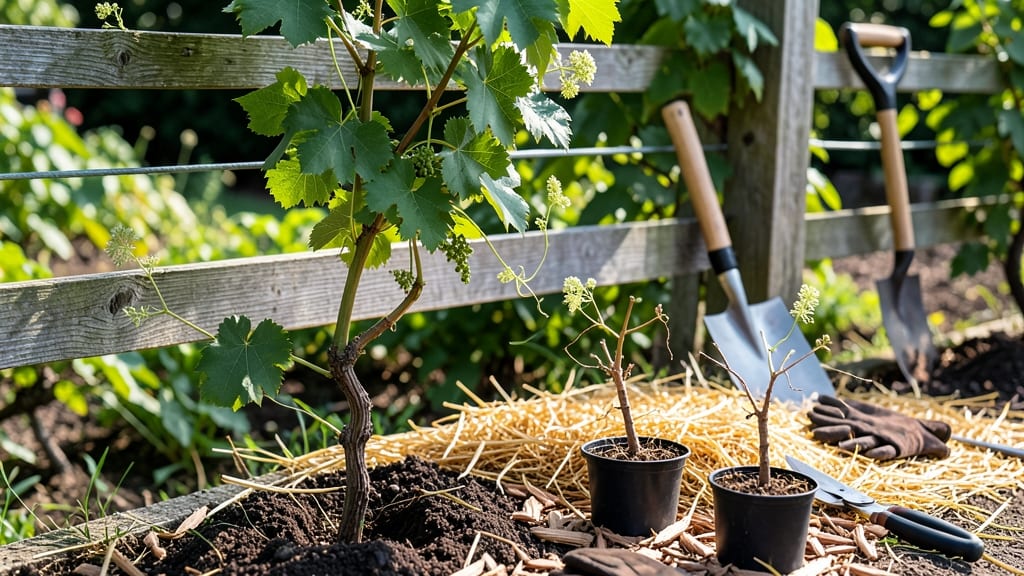
Knowing when to plant grapes in Illinois isn't just about picking a date—it's about giving your 🍇 vines the best shot at thriving through the state's unpredictable springs and hot summers. With USDA zones 5a-6b and frost dates that can vary by weeks, timing matters more than you'd think.
Most Illinois gardeners swear by early spring planting between March and April, when soil temperatures rise enough to encourage root growth without risking early frost. But late fall planting in September or October also works if you're planting dormant vines, letting roots establish before winter's chill sets in.
Here's the game-changer: different grape varieties handle Illinois' heat differently. Cold-hardy types like Concord do well in northern zones, while heat-tolerant varieties thrive in southern regions. I'll break down exactly which varieties match your microclimate and how to prep your soil for maximum success.
Whether you're a first-time grape grower or a seasoned vineyard enthusiast, these insights will help you avoid common pitfalls and set your vines up for a bountiful harvest from August through October. Let's get your planting strategy dialed in!
Illinois grape planting calendar by hardiness zones (5-7)
Planting grapes in Illinois requires precise timing to outpace the state's unpredictable spring frosts and intense summer heat. The USDA zones 5a-7 across Illinois create distinct windows for planting cold-hardy versus heat-sensitive varieties.
Northern Illinois (zones 5a-5b) has earlier frost risks, while southern Illinois (zone 6b) enjoys longer growing seasons.
For bare-root vines, the ideal planting window is early spring (March-April) when soil temperatures reach 50°F (10°C) or late fall (September-October) before the first frost. This timing ensures root establishment before extreme temperatures arrive.
In northern Illinois, aim for April 15 or earlier, while southern Illinois can extend planting until mid-October.
Soil temperature is critical—grapes need consistent warmth to break dormancy. Use a soil thermometer to confirm 50-55°F (10-13°C) at 6 inches deep. In zone 5a, this often means waiting until late April, while zone 6b may be ready by early April.
Cold soil can stunt root growth and delay fruiting.
Here’s a quick reference for Illinois grape planting by zone, including frost risk and ideal soil conditions:
| Zone | Planting Window | Soil Temp Requirement | Frost Risk | Best Varieties |
|---|---|---|---|---|
| 5a (Northern IL) | Late April - Early May | 50-55°F (10-13°C) | High (last frost: May 1) | Concord, Niagara, Marquette |
| 5b (Central IL) | Early April - Late April | 50-55°F (10-13°C) | Moderate (last frost: April 15) | Catawba, Fredonia, Valiant |
| 6a (Southern IL) | Mid-March - Early April | 45-50°F (7-10°C) | Low (last frost: April 1) | Cabernet Franc, Chardonnay, Riesling |
| 6b (Far Southern IL) | Late February - March | 45-50°F (7-10°C) | Minimal (last frost: March 15) | Cabernet Sauvignon, Merlot, Pinot Noir |
Fall planting is also viable in Illinois, especially in zones 6a-6b. Plant bare-root vines in September-October to allow roots to establish before winter. This method reduces transplant shock and often yields earlier fruiting the following season.
However, avoid planting after mid-October in northern Illinois to prevent frost damage to new roots.
For container-grown grapes, the rules shift slightly. You can plant potted vines as early as March in zone 6b, but ensure pots are buried halfway in the ground for insulation.
In zone 5a, wait until late April to avoid cold damage. Containers also allow you to move vines indoors during extreme frost events, extending the growing season.
Pro tip: Use black plastic mulch in early spring to warm the soil faster and create a microclimate for young vines. This is especially helpful in northern Illinois, where cool soils delay planting. Combine this with row covers for extra frost protection during the first few weeks after planting.
Remember, Illinois’ unpredictable weather means flexibility is key. Monitor local frost forecasts and adjust planting dates accordingly. For maximum success, pair your planting timeline with proper trellis setup and soil preparation—both critical for grape vine health in the Midwest.
🌱
Illinois grape planting calendar by hardiness zones (5-7)
Illinois spans USDA zones 5a through 6b, meaning your grape planting window depends heavily on where you live. Northern regions like Chicago and DeKalb face later last-frost dates (April 25), while southern areas like Springfield and St. Louis can plant as early as March 15.
This variance means timing your 🍇 grape vines for optimal root establishment is critical.
For zone 5a gardeners, focus on late April to early May planting when soil temps hit 50°F. In zone 6a-6b, you can start as early as March 20—just ensure nighttime temps stay above 40°F to prevent frost damage.
Late fall planting (September-October) works too, but only if your soil stays workable and frost isn’t imminent.
📅 Illinois Grape Planting Timeline by Zone
| Zone | Best Planting Window | Soil Temp Requirement | Frost Risk |
|---|---|---|---|
| 5a | Late April - Early May | 50°F+ | High (last frost: April 25) |
| 5b | Early April - Mid-May | 45°F+ | Moderate (last frost: April 15) |
| 6a-6b | March 20 - April 15 | 40°F+ | Low (last frost: March 25) |
Pro tip: Use a soil thermometer to confirm temps before planting. Grapes need consistent warmth to establish roots—if your soil is still cold, delay planting by 1-2 weeks to avoid stunted growth. I’ve seen many gardeners rush planting in March only to have their vines struggle through cool snaps.
Another key factor is dormant vs. potted vines. Bare-root vines (cheaper and hardier) should be planted in early spring when they’re still dormant. Potted vines, however, can handle late spring planting (May) as long as they’re well-watered during establishment.
Just avoid planting after June 15—vines need 6-8 weeks to root before summer heat hits.
For fall planting, aim for September in northern Illinois or early October in the south. This gives roots time to establish before winter, but avoid planting if frost is forecast within 4-6 weeks.
Mulch heavily with straw or wood chips to insulate roots during cold snaps. I’ve had great success with Niagara grapes planted in late September—they thrived with this protection.
Don’t overlook microclimates within Illinois. Urban areas like Chicago can be 2-3°F colder than rural spots, while river valleys (e.g., Illinois River) stay warmer. Use local CoCoRaHS weather stations to track your specific last frost dates—this precision makes all the difference in grape survival.