
Plants
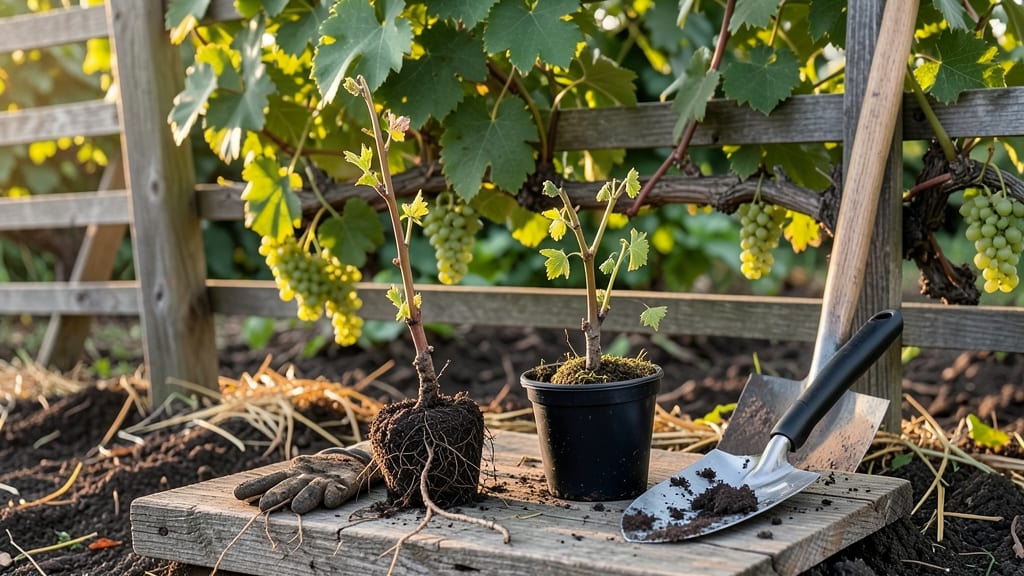
Timing your grapes planting in Arizona isn't just about the calendar—it's about beating the 110°F summers and unpredictable monsoons that can turn your vines into crispy failures.
Most gardeners here make one critical mistake: planting too late in spring, when the heat already stresses young roots before they’ve had a chance to establish.
Here’s the secret: the best window for planting 🍇 grapes in Arizona runs from November through February, when cooler temperatures give your vines a fighting chance.
This isn’t just theory—it’s what successful growers in USDA Zone 9b rely on to avoid heat shock and ensure strong root development before the desert wakes up.
But it’s not just about the month—soil prep, variety selection, and even microclimates play a huge role. I’ll walk you through the exact steps to time your planting for thriving vines, from choosing heat-tolerant varieties to protecting your grapes from Arizona’s infamous summer sunburn.
Skip the guesswork and plant your grapes the right way—because in Arizona, a few weeks can mean the difference between a bountiful harvest and a withered vineyard. Let’s get started.
Arizona’s best grapes & their ideal planting months by heat Zone
Arizona’s diverse USDA zones 8-11 create a unique challenge for grape growers. Unlike cooler climates, timing matters most to avoid extreme summer heat or unpredictable monsoons. The best planting windows focus on cooler months when vines can establish roots before the desert sun intensifies.
For wine grapes, varieties like Cabernet Sauvignon and Syrah thrive in Arizona’s Zone 9b-10a, while table grapes such as Thompson Seedless and Red Globe prefer the cooler high-desert regions (Zone 8a-9a). Raisin grapes like Muscat adapt well to Zone 10b-11 due to their heat tolerance.
Here’s the breakdown of ideal planting months by variety and heat zone to maximize success:
| Variety | Best Heat Zone | Ideal Planting Month | Notes |
|---|---|---|---|
| Cabernet Sauvignon | 9b-10a | November–January | Needs well-draining soil; avoid spring planting. |
| Thompson Seedless | 8a-9a | October–December | Tolerates cooler high-desert better than heat. |
| Syrah | 9b-10a | November–February | Requires trellis support for heat management. |
| Muscat | 10b-11 | December–February | Heat-tolerant; plant late winter for best results. |
| Red Globe | 8a-9b | September–November | Best for fall planting in cooler regions. |
Spring planting (March–April) is risky in Arizona due to rapid temperature swings and monsoon onset. Young vines struggle to establish roots before the heat peaks, leading to sunburn or drought stress. Instead, focus on fall or winter planting for consistent moisture and milder temps.
For Zone 10b-11, where summers are year-round, plant Muscat or Flame Seedless varieties in late winter (December–February). These grapes thrive with drip irrigation and shade cloth during the hottest months.
In Zone 8a-9a, like Prescott or Flagstaff, Thompson Seedless and Concord do best when planted in October or November.
Always check your local frost dates—even in Arizona, unexpected cold snaps can occur in Zone 9a and below. Use mulch or row covers for extra protection during the first growing season. The key is planting when soil temps stay above 50°F but before 100°F+ heat arrives.
Pro tip: Bare-root vines planted in winter (November–February) have a higher survival rate than container-grown plants. Soak roots in water for 1–2 hours before planting to reduce transplant shock. Pair this with compost-amended soil to improve drainage in Arizona’s sandy or rocky terrain. 🌱
How to time grapes for Arizona’s monsoon season & summer heat
Arizona’s monsoon season (July–September) and 110°F+ summers create a double-edged sword for grape growers. Plant too early, and your vines face heat stress before roots establish. Plant too late, and the intense sun can scorch young leaves.
The key is to plant 4–6 weeks before monsoon rains or after September 15th, when temperatures drop slightly and humidity rises.
For most of Arizona’s USDA Zones 9b–11, this means aiming for late August through October. However, high-desert areas like Prescott (Zone 7b) can handle slightly earlier plantings in late July, while Yuma’s Zone 10a demands September–October timings to avoid extreme heat.
Always check your local last frost date—even in Arizona, unexpected cold snaps can occur.
Here’s the critical rule: Never plant grapes in Arizona during peak summer (May–July). Young vines lack the root depth to handle triple-digit heat, and their leaves can develop sunburn within days.
Instead, focus on late summer or early fall, when cooler nights help vines recover from daytime heat.
⚠️ WARNING: Monsoon Risks for New Plantings
Planting grapes during monsoon season (July–August) is risky because:
- 🌧️ Flash floods can uproot shallow roots
- 🍄 Fungal diseases thrive in sudden humidity spikes
- 🔥 Heat stress from daytime highs + nighttime humidity
Solution: Wait until after September 15th or plant in well-drained raised beds to avoid waterlogging.
Soil preparation is just as critical as timing. Arizona’s clay-heavy or sandy soils need amendments to improve drainage and water retention. Mix in 3–4 inches of compost and 10–20% perlite or pumice to create a loose, crumbly texture.
Grapes hate waterlogged roots, so avoid planting in low-lying areas where monsoon runoff collects.
Once planted, mulch heavily with straw or wood chips to retain moisture and regulate soil temperature. In Zone 10a–11, young vines may need shade cloth (30–50%) during the hottest afternoons (1–4 PM) to prevent leaf scorch.
Remove the cloth by late October to allow full sun exposure for winter growth.
Watering strategies make all the difference in Arizona’s heat. Newly planted grapes need deep, infrequent watering—about 2–3 gallons per vine every 7–10 days—to encourage deep root growth.
Always water early in the morning to reduce evaporation and fungal risks. Avoid overhead sprinklers, which can spread powdery mildew during humid monsoon nights.
With the right timing and care, your grapes will establish strong roots before Arizona’s brutal summer hits. The payoff? Healthy vines that produce sweet, flavorful fruit year after year—without the heartbreak of withered failures. 🌱