
Plants
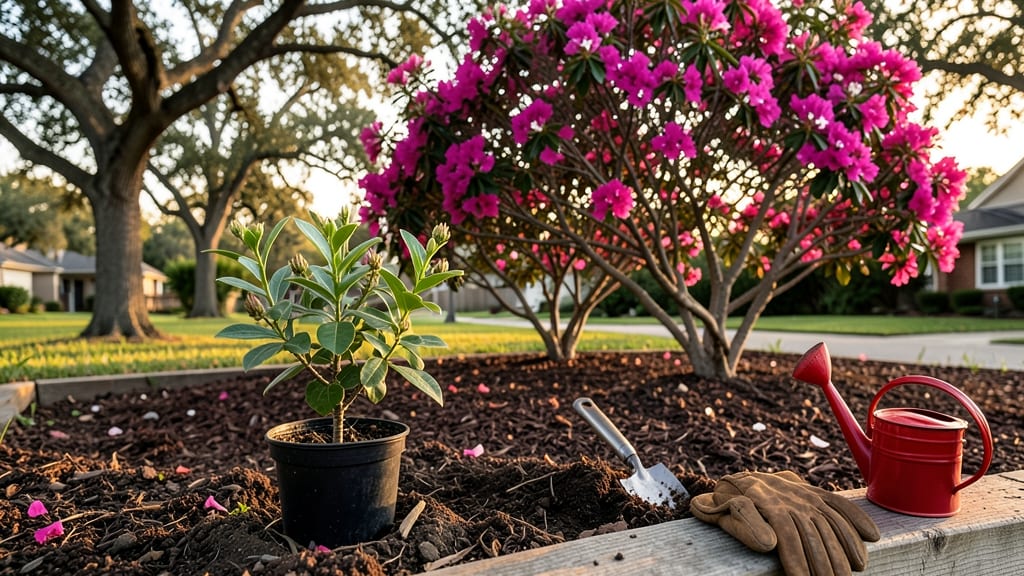
Planting Bougainvillea in Arizona might seem tricky with its relentless sun and sudden monsoons, but timing it right is the secret to vibrant, thriving vines that bloom year-round.
The key window—December through February—lets your 🌸 bougainvillea establish strong roots before the heat ramps up, setting the stage for a stunning display from spring through fall.
Why does this matter? Because Arizona’s 9b climate means no frost to worry about, but summer’s intensity can shock young plants if they’re not ready.
By planting during the cooler months, you give your bougainvillea the best shot at survival and rapid growth, so it’s not struggling when the real heat arrives.
In this guide, I’ll walk you through the exact steps to time your planting perfectly, whether you’re tucking it into the ground or a container. You’ll also learn how to prep your soil, water smartly, and avoid common pitfalls that turn bougainvillea dreams into wilting disappointments.
Ready to transform your space with a cascading burst of color? Let’s dive into the heat-resistant timeline that’ll have your bougainvillea flourishing all season long—no guesswork required.
Optimal planting windows for bougainvillea in Arizona’s climate zones
Arizona’s microclimates create two distinct planting zones for bougainvillea: the Low Desert (Phoenix, Tucson) and the High Desert (Flagstaff, Prescott). Each requires a tailored approach to avoid heat stress or monsoon-related flooding. The coolest months—December through February—offer the safest window, but timing varies by elevation and rainfall patterns.
In the Low Desert (USDA Zone 10a-11), where temperatures rarely drop below 50°F (10°C), bougainvillea can be planted year-round. However, the best window is November through March to avoid the brutal summer heat.
The High Desert (Zone 7b-9a), with cooler nights and occasional frost, demands March through May planting to escape late-winter chills.
Monsoon season (July–September) complicates timing—while the rain helps establish roots, overwatering risks are high. Planting in early fall (September–October) lets you capitalize on monsoon moisture without the extreme heat of summer.
🌱
For container planting, flexibility increases—you can plant almost anytime, but acclimate plants gradually to Arizona’s sun to prevent leaf scorch. If planting in summer (June–August), choose mature bougainvillea (2+ years old) with established root systems to handle the heat.
Soil temperature is critical: bougainvillea roots struggle below 60°F (15°C). In the High Desert, wait until soil thermometers confirm consistent warmth before planting. In the Low Desert, late winter (February) is ideal—just before the desert floor heats up.
Pro tip: Align planting with the monsoon’s tail end (late August–September) to give roots a moisture boost without the risk of waterlogged soil. Mulch with gravel or crushed rock to retain heat and deter weeds.
🌿
If you miss the optimal window, don’t panic. Spring planting (March–April) still works in the Low Desert, but prioritize shade cloth (30–50%) for the first 4–6 weeks to ease the transition. Container-grown bougainvillea adapts faster, making them ideal for last-minute garden additions.
🌸
Optimal planting windows for bougainvillea in Arizona’s climate zones
Arizona’s diverse climate—from the Low Desert’s 110°F summers to the High Desert’s cooler nights—means bougainvillea planting timing varies dramatically. The sweet spot is December through February, when daytime temps hover in the 60s-70s°F, giving roots time to establish before summer’s intensity.
But don’t overlook September–October as a secondary window for High Desert gardeners.
Why? Bougainvillea thrives in heat but despises transplant shock during peak summer. Planting too early (November) risks monsoon-soaked soil, while waiting until March can stress young vines as temps spike. Let’s break it down by microclimate to avoid costly mistakes.
🌵 Low Desert (Phoenix, Tucson, Yuma): Your best bet is January–February. Soil temps are ideal (60–70°F), and monsoons haven’t yet arrived to drown tender roots. For container planting, December works too—just move pots to shade during heatwaves.
Pro tip: Check soil temps with a thermometer—aim for 60°F+ at 6 inches deep. If it’s cooler, wait. If it’s already 80°F+, your bougainvillea will struggle to establish roots before summer hits. Mulch heavily (3–4 inches of gravel or bark) to regulate soil temps and retain moisture.
For container gardeners, December–March offers the most flexibility. Pots heat up faster, so use light-colored containers and elevate them off the ground to prevent root rot. If planting in March, shade young vines with 50% shade cloth until they’re established (about 6 weeks).
Timing isn’t just about months—it’s about monsoon alignment. Plant too close to July’s downpours, and your bougainvillea’s roots will suffocate. The 30 days before monsoon season (mid-June) is your cutoff for Low Desert plantings. In the High Desert, aim for September to avoid early frost risks in October.
Remember: Bougainvillea’s first year is all about root growth, not blooms. If you plant in the optimal window but skimp on well-draining soil and consistent watering, you’ll still end up with a struggling vine.
Next, we’ll cover how to prep your bougainvillea for Arizona’s heat before the first shovel hits the soil.