
Plants
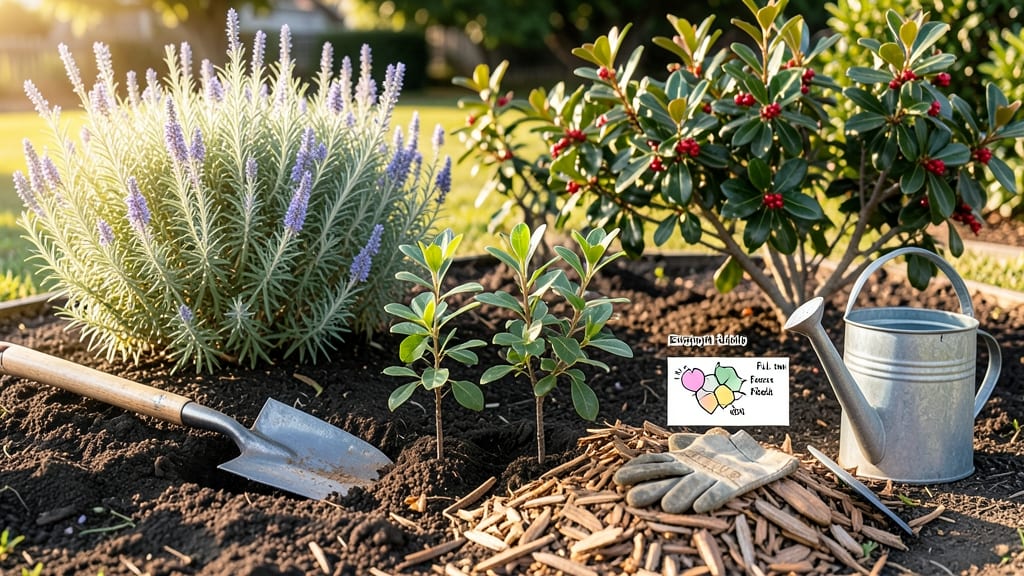
If you’ve ever watched your bushes 🌿 struggle under Texas’ scorching sun or freeze in an unexpected cold snap, you know when to plant bushes in Texas is everything. Planting at the wrong time means wasted money, lost effort, and a yard that never quite lives up to its potential.
Texas gardeners face a unique challenge: the state’s 8a-10b climate zones create wildly different conditions from North to South. What works in Lubbock might fry in Houston, and vice versa.
But here’s the good news: with the right strategy, you can outsmart Texas’ extremes and give your shrubs the best possible start.
I’ll break down the ideal planting windows—fall and spring—so you can avoid the pitfalls of summer heat stress or winter frost damage. We’ll also cover soil prep, heat-tolerant varieties, and how to read your local microclimate like a pro.
Ready to transform your landscape into a thriving, year-round oasis? Let’s get those bushes in the ground at the perfect moment.
Texas planting zones & best months for bushes by heat zone
Texas’ extreme temperatures—from 100°F+ summers to freezing winter nights—make timing critical for bush success. The Lone Star State spans USDA Zones 7a–10b, but heat zones A-C (based on frost-free periods) better predict ideal planting windows.
Most bushes thrive when planted in fall (September–November) or early spring (February–March), avoiding both summer heat stress and winter frost damage.
North Texas (Zones 7b–8a) has shorter growing seasons with later last frosts (March 15), while South Texas (Zones 9a–10b) enjoys year-round warmth but faces hurricane risks in fall. Coastal areas like Houston benefit from moderate humidity, while West Texas deals with dry, intense sun.
Always check your local frost dates—Texas A&M’s AgriLife Extension offers free zone maps.
Evergreen bushes like Texas Sage (Leucophyllum frutescens) and Yaupon Holly (Ilex vomitoria) handle heat but need well-draining soil to avoid root rot. Deciduous varieties such as Crape Myrtle (Lagerstroemia) prefer spring planting to establish roots before summer.
Flowering bushes like Texas Mountain Laurel (Sophora secundiflora) thrive in partial shade and cooler microclimates.
Here’s how to match your Texas heat zone to the best planting window:
For Zone 8a–9a (most of Texas), September–October is ideal—soil stays warm enough for root growth, but humidity drops after summer rains. Plant bare-root bushes in early spring (February–March) to capitalize on Texas’ 60–70°F soil temps, which encourage vigorous root development before summer heat arrives.
In South Texas (Zones 9b–10b), avoid planting in June–August—the 100°F+ heat causes transplant shock. Instead, opt for fall planting (September–November), but watch for hurricane season (June–November). Protect young plants with windbreaks or container growing if storms are forecasted.
North Texas gardeners should plant in early spring (March) to beat the late frosts (March 15) and give bushes time to harden off before summer. Texas Mountain Laurel, for example, needs 60 days of warm soil to establish—planting in late February ensures it’s ready for 100°F summers.
Always water deeply after planting and mulch with 2–3 inches of organic matter to retain moisture.
Pro tip: Use a soil thermometer to check temps—60–70°F is perfect for root growth. If your soil runs hotter than 80°F, wait until evening to plant and shade the root ball with burlap until roots establish (4–6 weeks).
Native Texas bushes like Eastern Red Cedar (Juniperus virginiana) and Wax Myrtle (Morella cerifera) are drought-tolerant once established, making them low-maintenance choices. Pair them with annuals like Lantana for year-round color—just ensure your bushes have 6+ hours of sun to thrive.
🌱
Critical signs your Texas bush planting timing is wrong (and how to fix it)
Planting bushes at the wrong time in Texas can turn your landscape dreams into a wilted mess. The most common mistake? Ignoring soil temperature and weather patterns that signal whether your shrubs are getting the right start.
If your new bushes show these red flags, it’s time to reassess your planting schedule.
Yellowing leaves or stunted growth within weeks of planting? This often means you planted too early in spring when soil temperatures are still cool. Bushes planted in March or April may struggle as Texas’ heat ramps up, causing stress and poor root establishment.
The fix? Wait until soil temps hit 60°F+—use a soil thermometer to check!
Here’s the kicker: wilting or crispy edges on leaves? You’ve likely planted in summer when Texas’ heat is relentless.
New bushes planted in June or July face extreme stress, and their roots can’t keep up with the demand. Fall planting (September–November) is your safest bet—cooler temps and consistent moisture give roots time to establish before winter.
🚨 Callout-Warning 🚨
🌡️ Danger Zone Alert!
Planting bushes when soil temps exceed 85°F can fry roots before they establish. Texas’ summer heat (June–August) is the worst time—even drought-tolerant varieties like Texas Sage will suffer.
Don’t overlook frost damage if you plant too late in fall. Bushes planted in November or later may get hit by early frosts, especially in North Texas (Zone 8a).
Look for brown or blackened leaves or crispy stems—these are clear signs your bushes were planted too close to winter. Adjust your timeline by checking your local first frost date (typically November 15 in most of Texas).
Another telltale sign? Slow or no new growth after 6–8 weeks.
This could mean your bushes were planted in poor soil conditions—like heavy clay or compacted dirt—common in Texas’ blackland prairie regions. Amend your soil with compost or organic matter before replanting, and consider mulching to retain moisture and regulate temperature.
To avoid these mistakes, always test your soil before planting. Aim for a pH between 6.0–7.0 and ensure proper drainage. If you’re unsure, contact your local Texas A&M AgriLife Extension office for a soil analysis—it’s a small investment that saves time and money in the long run.
Pro tip: Monitor your bushes for the first 30 days after planting. Healthy growth should include new leaves, firm stems, and vibrant color. If you spot any of these red flags early, act fast—adjust watering, mulch, or even replant if necessary.
Your bushes (and your wallet) will thank you! 🌱