
Plants
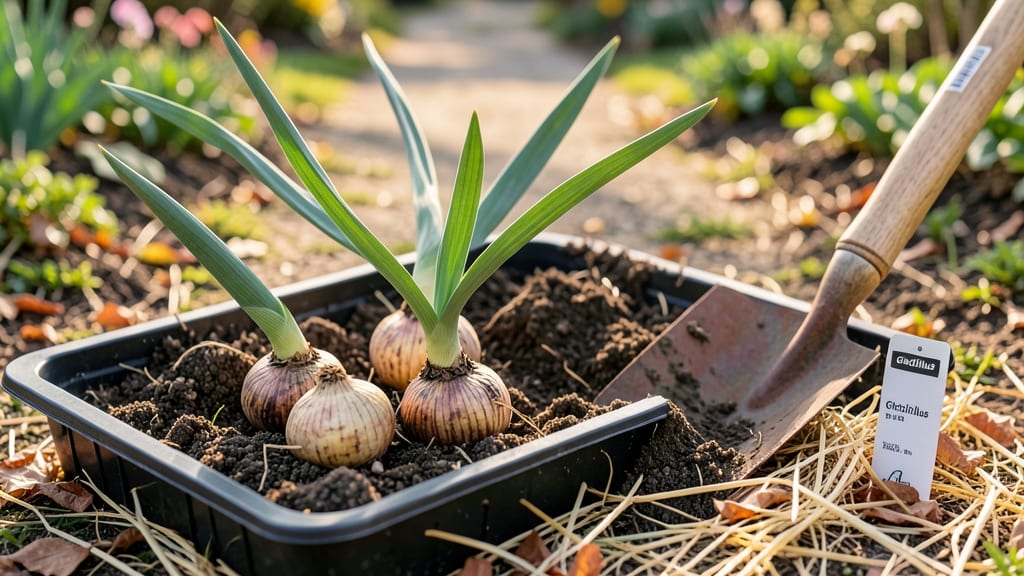
Timing your gladiolus bulbs planting in Pennsylvania could mean the difference between a showstopping summer garden and a missed opportunity for those dramatic 🌸 blooms.
With USDA Zone 6's unpredictable spring weather, getting it right takes more than just guessing—it's about understanding the 4-6 week window before your last frost date.
If you've ever planted too early and faced frost damage or waited too long and missed peak blooming season, you're not alone. The key lies in Pennsylvania's mid-April to mid-May planting window, when soil temperatures reach that sweet spot for gladiolus roots.
But here's the game-changer: even within this window, northern PA's cooler microclimates may need a slightly later start than southern regions.
What I'm about to share will help you avoid common mistakes like planting too shallow or in soggy soil—both of which can stunt your gladiolus growth.
You'll discover exactly how to time your planting for bold summer color, whether you're working with standard varieties or dwarf types that bloom earlier.
Let's break down the science behind Pennsylvania's planting calendar, including soil temperature thresholds and how to extend your blooming season through staggered plantings. By the end, you'll know exactly when to get those bulbs in the ground for maximum impact in your garden.
Gladiolus planting calendar for Pennsylvania: exact dates by month
Timing your gladiolus bulbs correctly in Pennsylvania’s USDA Zone 6 ensures vibrant summer blooms. The ideal window spans mid-April to mid-May, aligning with soil temperatures and frost risks. Planting too early exposes corms to cold, while late planting delays those stunning spike-shaped flowers you crave.
Southern PA gardeners (like those in Philadelphia or Lancaster) can start slightly earlier—around late March—due to milder microclimates. Northern regions (e.g., Pittsburgh or Erie) should wait until early May to avoid frost damage.
Always check your local last frost date—Pennsylvania’s average is April 15, but microclimates vary.
Here’s your Pennsylvania gladiolus planting calendar, broken down by month with key temperature thresholds:
| Month | Planting Window | Soil Temp (°F) | Frost Risk | Care Notes |
|---|---|---|---|---|
| March | Southern PA only | 50°F+ | High (cover bulbs) | Use frost cloth for protection |
| April | Mid-April (Zone 6) | 55°F+ | Moderate (after April 15) | Plant 4-6 weeks before last frost |
| May | Mid-May (last chance) | 60°F+ | Low (safe) | Best for late bloomers |
| June | Not recommended | N/A | N/A | Delays blooms until fall |
For Pennsylvania’s climate, aim to plant when daytime temperatures consistently stay above 55°F—this ensures gladiolus corms sprout without risking frost damage. Use a soil thermometer to confirm; 60°F+ is ideal for active growth.
If your soil is still cold, wait or use black plastic mulch to warm it faster.
Pro tip: Stagger your planting in 2-3 week intervals for continuous blooms from July to September. Start with early varieties (like ‘White Friendship’) in April, then add mid-season types (e.g., ‘Black Star’) in early May. This extends your gladiolus season and maximizes garden impact.
After planting, maintain consistent moisture—gladiolus bulbs need 1 inch of water weekly but hate soggy soil. Mulch with straw or shredded leaves to retain moisture and suppress weeds. Avoid overwatering, which can cause rot in those delicate corms.
Remember: Gladiolus bulbs are not perennial in Pennsylvania’s winters. After the first frost (around October 20), cut back foliage and let the soil dry. Store corms in a cool, dry place (like a garage or basement) until next spring.
Proper storage ensures next year’s blooms will be just as stunning.
✅ Key takeaway: Plant mid-April to mid-May in Pennsylvania, adjust for your region, and stagger batches for nonstop summer color! 🌸
5 Critical factors that determine your gladiolus planting window
Understanding Pennsylvania's gladiolus planting window isn't just about memorizing dates—it's about reading your local climate signals. The 5 critical factors that influence your timing are soil temperature, last frost dates, day length, corm size, and regional microclimates. Each plays a role in whether your gladiolus will thrive or struggle.
First, soil temperature is non-negotiable. Gladiolus corms need soil that's warmed to at least 60°F (15°C). In Pennsylvania's USDA Zone 6, this typically happens around mid-April in southern regions but may wait until late April to early May in northern areas like Erie.
Using a soil thermometer for 3-4 days is the surest way to confirm readiness.
Next, last frost dates create your planting deadline. While Pennsylvania's average last frost falls around April 15, you should plant 4-6 weeks before this date to give roots time to establish.
This means aiming for mid-March to early April in most areas, with adjustments for your specific microclimate. My rule of thumb? Plant when daytime highs consistently reach 55°F (13°C).
The length of daylight also affects your timing. Gladiolus need 12-14 hours of daylight to trigger blooming. In Pennsylvania, this occurs naturally by late May, but planting too late means you'll miss summer blooms. This is why staggered planting becomes crucial—more on that in our next section!
Don't overlook corm size when planning. Larger gladiolus corms (1.5-2 inches wide) establish faster and can handle slightly earlier planting. Smaller corms need warmer soil and should wait until late April to avoid rotting. I always sort my corms by size before planting to create a more predictable blooming schedule.
Finally, Pennsylvania's regional variations demand attention. Southern PA's warmer microclimates may allow March planting in sheltered locations, while northern PA's cooler zones should wait until after May 1.
Elevation also matters—mountainous areas like the Poconos often need 2-3 weeks later than valley regions. Checking with your local Cooperative Extension office provides hyper-localized advice.
When I first started growing gladiolus in Pennsylvania, I made the mistake of planting based solely on calendar dates. My first year's blooms were disappointing because I didn't account for the cold snap in late April that delayed soil warming.
Now, I combine soil temperature checks with weekly weather forecasts to fine-tune my timing. This approach has given me reliable blooms from July through September every year.
Remember, these factors interact—warm soil helps offset cooler air temperatures, while larger corms can compensate for slightly earlier planting. The key is monitoring all five elements simultaneously for the perfect Pennsylvania planting window. With this knowledge, you'll transform your garden into a summer-long spectacle of 🌸 gladiolus blooms.