
Plants
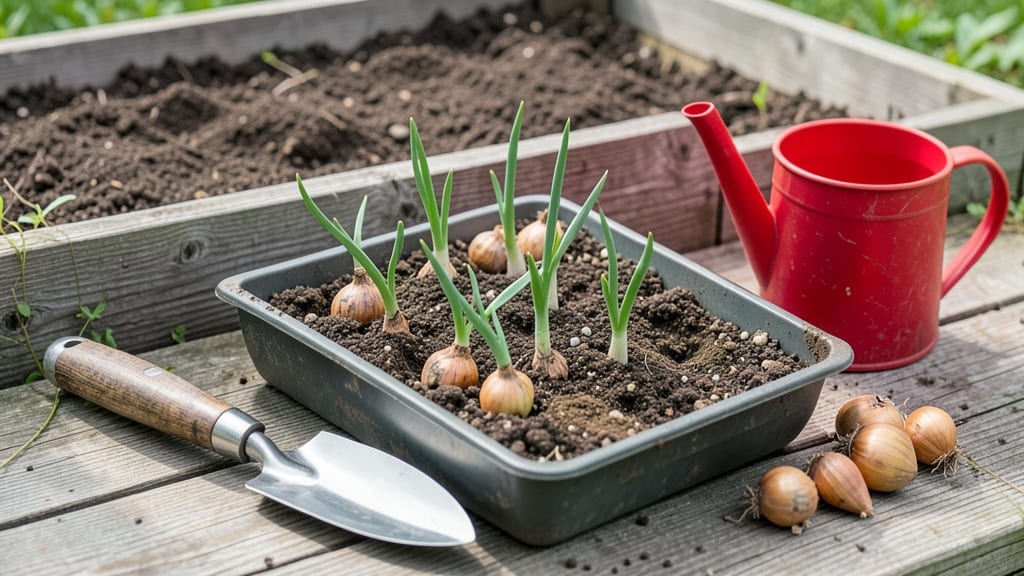
Timing when to plant gladiolus bulbs in California isn’t just about the calendar—it’s about beating the heat, avoiding frost surprises, and unlocking those jaw-dropping summer blooms. With zones ranging from 9a to 11, coastal fog to desert sun, one wrong move could mean wilted stems or missed blooms entirely.
You might think all of California plays by the same rules, but that’s where most gardeners go wrong.
Inland valleys like Sacramento need bulbs in the ground by February, while coastal areas like San Francisco can wait until April—and getting this wrong means either stunted growth or flowers that never open. I’ll break down the exact windows for your microclimate so you can plant with confidence.
The key isn’t just when you plant—it’s how you prep the soil and protect those bulbs from California’s extremes. We’re talking 60°F soil temps, the right depth, and even shade tricks for scorching inland zones.
Trust me, these small tweaks make the difference between a dramatic summer display and a sad, half-bloomed disappointment.
Ready to transform your garden into a gladiolus paradise? Let’s dive into the heat-zone planting calendar that’ll have your 🌸 standing tall from June through September—no guesswork, just show-stopping results.
California heat-Zone planting calendar for gladiolus bulbs
Timing your gladiolus bulbs correctly in California means accounting for USDA zones 9a-11 and microclimates that range from coastal fog to desert heat. Unlike frost-prone regions, California’s mild winters let you plant earlier—but soil temperature is your real guide.
Aim for 60°F soil, which typically arrives in late February to April, depending on where you live.
For coastal areas like San Francisco (Zone 10a), wait until March or early April when chillier nights warm up. Inland valleys like Sacramento (Zone 9a) can plant as early as February, while desert regions like Palm Springs (Zone 11) might even start in January for extended blooms.
The key is avoiding heat stress during bulb establishment.
🌱
| Month | Zone 9a (Inland Valleys) | Zone 10a (Coastal) | Zone 11 (Desert) |
|---|---|---|---|
| January | ❄️ Avoid (soil too cold) | ❄️ Avoid (chilly nights) | ✅ Early start (soil warm) |
| February | ✅ Ideal (60°F soil) | ⚠️ Wait for warmth | ✅ Best month |
| March | ✅ Peak time | ✅ Best month | ✅ Still good |
| April | ⚠️ Late but okay | ✅ Last chance | ❌ Too hot (stress risk) |
| May | ❌ Skip (heat stress) | ❌ Skip (overheating) | ❌ Skip (extreme heat) |
Note: Adjust for microclimates—e.g., shady spots may need 2 weeks later than sunny areas.
If you’re aiming for summer-long blooms, stagger your planting: start with early varieties in February (desert zones) and follow up with mid-to-late varieties in March-April (coastal/inland). This ensures continuous color from June through September. For container gardening, use well-draining mixes and plant in early March to avoid overheating.
Pro tip: Use a soil thermometer to confirm 60°F soil before planting. In Zone 9a valleys, this might mean waiting until mid-March, while desert gardeners can plant as early as January for a head start.
Always plant 4-6 inches deep and 4-6 inches apart to prevent crowding and disease.
For coastal gardeners, watch for late-winter fog, which can delay soil warming. If your area stays below 55°F in March, hold off until early April or use black plastic mulch to warm the soil faster.
In desert regions, prioritize shade cloth during the hottest afternoons to protect newly planted corms from heat shock.
🌸
After planting, focus on consistent moisture but avoid waterlogging, which causes root rot. Gladiolus thrive with 1-2 inches of water weekly during active growth, but reduce watering in summer once buds form to prevent floppy stems.
A 2-inch layer of mulch helps retain moisture and regulates soil temperature—critical in Zone 11 deserts where temperatures swing wildly.
Remember: California’s extended growing season lets you experiment! Try planting late-season varieties in May for fall blooms, though yields may be smaller. The key is adapting to your local microclimate—whether that means planting earlier in the desert or waiting for coastal warmth.
How to adjust planting timing for California’s microclimates
California’s microclimates can turn gladiolus planting into a high-stakes game of timing—get it wrong, and your 🌸 blooms might never appear. Coastal areas like San Francisco (USDA 10a) stay cooler longer, while inland valleys like Sacramento (USDA 9a) heat up fast.
Even desert regions like Palm Springs (USDA 11) have their own rules. The key is adjusting your schedule based on soil temperature, heat stress risks, and local frost dates—yes, even in California!
For coastal gardeners, delay planting until April to avoid chilly soil that stalls growth. Inland areas should plant by February to beat the summer heat. Desert regions? You’ve got flexibility—plant as early as January or stretch into March for extended blooms.
The trick is watching for 60°F soil temps, which signal it’s time to dig in those corms.
Here’s how to adapt your approach based on where you live in the Golden State:
Don’t forget mulch—it’s your secret weapon against California’s extremes. A 2-inch layer of straw or wood chips keeps soil cool in inland areas and retains moisture in desert zones. For coastal gardeners, mulch also prevents soil-borne diseases from lingering moisture.
And if you’re in a hot inland zone, consider drip irrigation to deliver water directly to the roots without wetting the foliage (which can lead to fungal issues).
One last tip: Soak your corms in lukewarm water for 24 hours before planting if you’re in a dry climate. This jumpstarts root growth and helps them handle the stress of California’s variable conditions.
With these adjustments, your gladiolus will thrive no matter where you garden in the Golden State!
Now that you’ve got the timing down, let’s talk about the biggest mistakes that can turn your gladiolus dreams into a bust—because even the best-laid plans can go sideways if you miss these critical steps. 🌱