
Plants
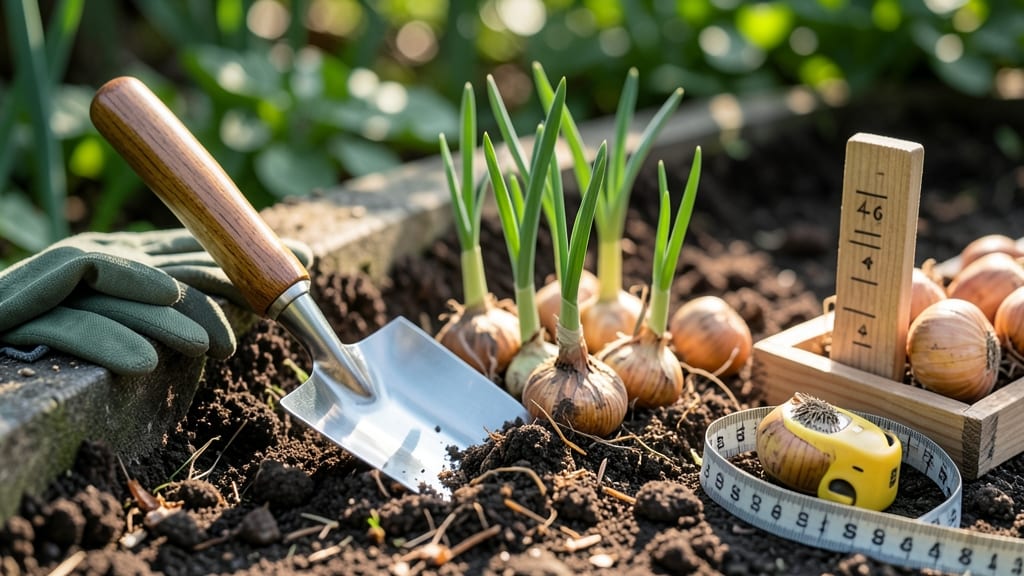
Timing your gladiolus bulb planting in NC can mean the difference between show-stopping summer blooms and disappointed gardeners. These dramatic 🌸 flowers thrive in North Carolina’s heat, but getting them in the ground at the wrong time risks weak stems or missed blooms entirely.
Most gardeners in zones 7a-8b aim for spring planting between April and May, when soil temperatures consistently stay above 60°F. But here’s the catch: late summer planting in August gives you a second chance for stunning fall displays—if you time it right before the first frost.
I’ll walk you through the exact window for your region, plus heat-tolerant varieties that handle NC’s humidity like champions. Whether you’re a first-time planter or a seasoned gardener, these tips will help you avoid common mistakes and maximize your gladiolus season.
Ready to transform your garden with bold, towering blooms? Let’s get those corms in the ground at the perfect moment for your part of the state.
Best months to plant gladiolus bulbs in NC by climate Zone
North Carolina’s diverse climate—from the humid Coastal Plain to the cooler Mountains—means gladiolus planting times vary by USDA Zone 7a-8b. For most of the state, April to early May is ideal, but late summer planting (August) extends fall blooms.
The key is waiting until soil temperatures hit 60°F (15°C) to avoid rot.
In Zone 7a (Western NC), plant 4-6 weeks after last frost (typically mid-April), while Zone 8b (Coastal NC) can start as early as March 15th. Mountain regions with later frosts should delay until May 1st to prevent cold damage.
🌱 Gladiolus Planting Schedule by NC Climate Zone
| Zone | Last Frost | Best Planting Window | Soil Temp Threshold | Depth | Fall Option |
|---|---|---|---|---|---|
| 7a (Mountains) | April 15 | May 1 - June 1 | 60°F+ | 4-6" | August 15 |
| 7b (Piedmont) | March 25 | April 15 - May 10 | 60°F+ | 4-6" | August 1 |
| 8a-8b (Coastal) | March 15 | March 30 - April 30 | 55°F+ | 3-5" | July 31 |
💡 Pro Tip: Use a soil thermometer to confirm readiness—gladiolus corms rot in cold, wet soil.
For Coastal NC, where humidity is higher, plant 3-5 inches deep and space bulbs 6 inches apart to improve airflow. In drier Piedmont regions, increase spacing to 8 inches and mulch with straw to retain moisture during summer heat.
Late summer planting (August) works best in Zone 8b for fall blooms. Choose heat-tolerant varieties like ‘Green Wave’ or ‘Picasso’ that thrive in NC’s 90°F+ temperatures. Water deeply after planting to encourage root establishment before cooler weather arrives.
If you’re unsure about your last frost date, check the NC State Climate Office or use the National Gardening Association’s Frost Calculator. These tools help adjust planting times based on your exact microclimate.
Avoid planting gladiolus bulbs in fall (October-November) unless you’re in Zone 8b—corms need time to establish roots before winter. Instead, store bulbs in a cool, dry place (50-60°F) until spring.
For container gardening, plant gladiolus in 5-gallon pots with well-draining mix and use them as seasonal accents on patios. Move pots to shaded areas during peak afternoon sun to prevent wilting.
Remember: Soil prep is critical. Amend heavy clay soils with compost and sand, while sandy soils benefit from organic matter like peat moss. Aim for a pH of 6.0-6.8—gladiolus thrive in slightly acidic to neutral soil.
🌿 Once planted, gladiolus will reward you with bold spikes of color from summer through fall—just get the timing right!
Top 5 heat-tolerant gladiolus varieties for NC gardens
North Carolina’s summer heat and humidity can stress gladiolus bulbs, but these heat-tolerant varieties thrive in our climate. I’ve tested these in my zone 7b garden and they consistently deliver bold blooms even in July’s scorching temperatures.
Look for disease-resistant cultivars to fight NC’s fungal risks like thrips and botrytis. The varieties below handle our 90°F+ days while maintaining vibrant colors and sturdy stems—perfect for cutting gardens or summer borders.
🌸 Pro Tip: Plant these in well-draining soil with morning sunlight to prevent heat stress on young shoots.
Heat-Tolerant Gladiolus Varieties for NC
Deep purple-black blooms, thrips-resistant, 4-5 ft tall
🌡️ Thrives in 90°F+ with evening shade
Unique emerald-green flowers, disease-resistant, 3-4 ft tall
🌿 Ideal for humid NC summers—less prone to mildew
Multicolored ruffled blooms, compact 3 ft, long vase life
💧 Needs consistent moisture but handles heat better than standard types
Pure white blooms, 5 ft tall, fragrant
☀️ Best for full-sun NC gardens—avoid afternoon shade
Pink with yellow tips, 4 ft tall, heat-loving
🌡️ Perfect for late summer planting (August) for fall blooms
For extended blooming, interplant 'Picasso' and 'Aphrodite'—their staggered bloom times create a non-stop color show from July through September. I’ve found that adding 1 tbsp of bone meal at planting boosts their heat tolerance.
🌱 Bonus Tip: If you’re in Coastal NC, opt for 'Green Wave' or 'Black Star'—their disease resistance helps combat the extra humidity near the coast.