
Plants
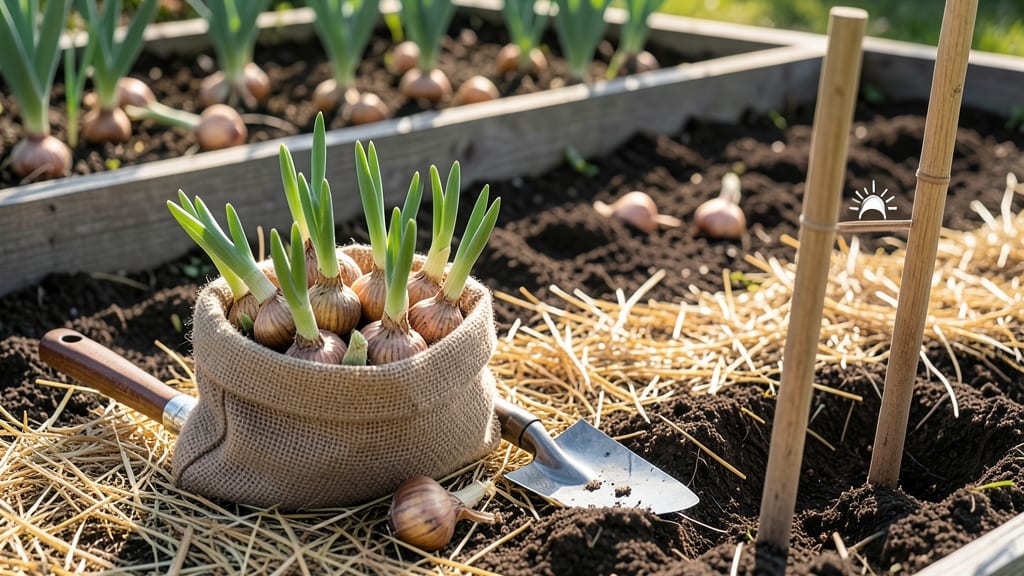
Timing your gladiolus bulb planting in Oregon isn’t just about the calendar—it’s about dodging frost traps and heat spikes that can turn your 🌸 gladiolus dreams into a flop.
Whether you’re in the misty Willamette Valley or the sunbaked high desert, planting too early risks frost damage, while waiting too long might leave you with late-season blooms that miss their prime.
Let’s break down the exact windows for your microclimate so you can enjoy those dramatic spikes from July through September without the guesswork.
Oregon’s USDA zones 7b-9a create a patchwork of planting deadlines, with coastal areas playing by one rulebook and inland zones another. For example, Portland’s last frost typically arrives by mid-April, but Eastern Oregon’s high desert might still see chilly nights in May.
The key? Planting after the soil warms to at least 50°F—a simple temperature check that saves more bulbs than any calendar ever could.
What happens if you miss the window? Don’t panic—we’ll cover how to stretch your blooming season with staggered plantings, whether you’re chasing summer color or fall interest.
You’ll also learn how to tweak your approach for Oregon’s quirks, like urban heat islands that can push planting dates back by weeks or windy coastal sites that demand extra protection. Ready to turn your garden into a parade of gladiolus spikes?
Let’s get those bulbs in the ground the right way.
The beauty of gladiolus is that they reward precision with showstopping results, but Oregon’s climate throws curveballs at every turn. By aligning your planting with local frost patterns and soil conditions, you’ll skip the trial-and-error phase and head straight for a garden that’s the talk of the neighborhood.
Let’s make sure your bulbs get the perfect start—no matter where you live in the Beaver State.
Oregon’s gladiolus planting zones: frost-free deadlines by region
Oregon’s gladiolus bulbs thrive when planted after the last frost, but timing varies dramatically across the state. The Willamette Valley and Coast Range face cooler, wetter springs, while Eastern Oregon and the High Desert can plant earlier.
Southern Oregon’s unique microclimate blends aspects of both. Let’s break down the ideal planting windows for each region to ensure your gladiolus bloom on schedule.
First, check your USDA zone (most of Oregon falls in 7b-9a). However, local frost dates often differ from zone averages. For example, Portland (Zone 8) typically sees its last frost around April 15, while Bend (Zone 6) warms up by May 10.
Coastal areas like Astoria may wait until May 1 due to lingering fog. Always verify with your local Cooperative Extension Service for precise dates.
Soil temperature is another critical factor. Gladiolus bulbs need soil to reach at least 60°F for optimal growth. In Western Oregon, this usually aligns with late April to early May.
In contrast, Eastern Oregon’s high desert can hit this mark by early April. Use a soil thermometer to confirm—planting too soon in cold soil stunts root development and delays blooms.
Here’s how to align your planting with Oregon’s microclimates:
| Region | Last Frost Date | Ideal Planting Window | Soil Temp Goal | Notes |
|---|---|---|---|---|
| Willamette Valley (Portland, Eugene) | Mid-April | Late April to early May | 60°F+ | Watch for sudden cold snaps; urban heat islands may allow earlier planting. |
| Coast Range (Astoria, Cannon Beach) | Early May | Early to mid-May | 60°F+ | Coastal fog delays warming; use row covers to extend season. |
| Eastern Oregon (Bend, La Grande) | Early to mid-April | Early April to early May | 55°F+ | High desert warms quickly; mulch to retain moisture. |
| Southern Oregon (Medford, Ashland) | Late March to early April | Late March to early May | 58°F+ | Drier climate; water consistently after planting. |
| High Desert (Burns, Pendleton) | Early April | Early to mid-April | 55°F+ | Extreme heat tolerance; plant early for summer blooms. |
For urban gardeners in Portland or Salem, pay attention to microclimates within your city. South-facing gardens may warm up 1-2 weeks earlier than north-facing spots. If you’re unsure, start with a test planting in early April—cover bulbs with row fabric if frost threatens.
This gives you flexibility to adjust based on real-time weather.
In Eastern Oregon, where summers are hot and dry, aim to plant by early May to avoid stress from 100°F+ temperatures. Use organic mulch (like straw) to keep roots cool and retain moisture.
In contrast, coastal gardens should delay planting until mid-May to avoid soil saturation and fungal issues. Amend heavy clay soils with compost or sand to improve drainage.
Pro tip: Stagger your planting by 2-3 weeks to extend your blooms from July through September. For example, plant a few bulbs in early April (if your zone allows) for summer flowers, then add more in late April for fall color.
This technique works especially well in Southern Oregon, where the growing season stretches longer.
Always plant gladiolus bulbs 4-6 inches deep and 6 inches apart in well-draining soil. In Oregon’s clay-heavy soils (common in Western regions), mix in perlite or compost to prevent rot. After planting, water deeply to settle the soil and encourage root growth. Avoid overhead watering to minimize disease risk.
Remember, Oregon’s unpredictable weather means flexibility is key. Keep an eye on 10-day forecasts and be ready to protect young plants with frost cloth if late frosts occur. With the right timing, your gladiolus will reward you with bold, vibrant blooms that stand out in any Oregon garden. 🌸
How to adjust planting timing for extended Oregon blooms
Staggered planting is the secret to turning your Oregon garden into a gladiolus blooming machine from July through October. By spacing out your bulbs in 2-3 week intervals, you’ll create a cascading display that keeps your garden vibrant long after early summer blooms fade.
For example, plant your first batch in early April for mid-summer color, then follow with a second batch in late April or May to extend blooms into fall.
This strategy works especially well in Eastern Oregon’s high desert, where heat can cause early bolting. Planting in stages lets you control bloom timing—cooler mornings in June will reward you with later-season flowers that thrive when temperatures dip.
Even in coastal Oregon’s milder climate, staggered planting prevents all blooms from opening at once, giving you a longer harvest window for cut flowers.
🌸
- 📅 Start early: Plant first bulbs when soil reaches 50°F (use a soil thermometer).
- 🌡️ Adjust for heat: In USDA Zone 8+ (Southern Oregon), delay second plantings by 3-4 weeks to avoid summer stress.
- 🌿 Use row covers: Extend coastal plantings by 3+ weeks with lightweight covers to protect from late frosts.
Heat tolerance varies by variety—‘Green Star’ and ‘Picasso’ handle Oregon’s high desert heat better than delicate ‘White Friendship’, which may need afternoon shade in Zone 8. For coastal gardens, choose wind-resistant varieties like ‘Black Star’ to prevent flopping in Coast Range breezes.
Always plant bulbs 4-6 inches deep to prevent overheating in sandy soils common to Eastern Oregon.
Another trick? Plant gladiolus near tall perennials like delphiniums or hollyhocks to create vertical interest while protecting them from strong Willamette Valley winds. This also lets you tuck bulbs in areas where direct sun might be too intense for other plants.
Just remember: gladiolus need full sun—even partial shade can stretch out their stems and reduce bloom quality.
If you’re aiming for fall blooms, your last planting should go in by early June—any later, and flowers may not mature before first frost (typically mid-October in most of Oregon).
For coastal areas, you can push this to mid-June thanks to milder temperatures. Always monitor your local frost forecast and adjust accordingly—Oregon’s weather can be unpredictable!
With these adjustments, you’ll enjoy gladiolus blooms for nearly 4 months, turning your garden into a seasonal highlight. The key is flexibility—watch your plants, adjust your timing, and don’t be afraid to experiment with varieties to find what thrives best in your specific Oregon microclimate. Happy planting! 🌱