
Plants
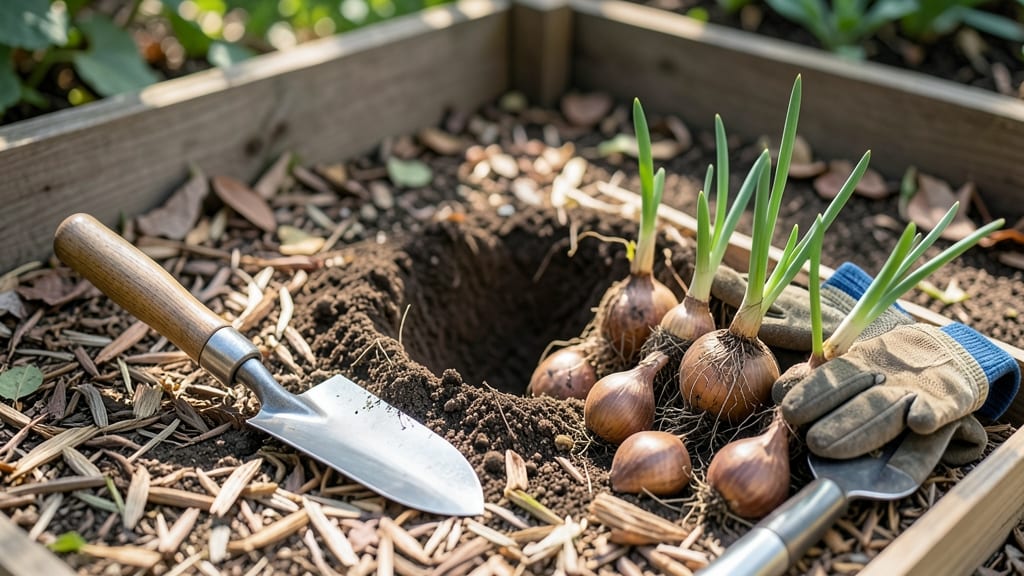
Planting your gladiolus bulbs at the wrong time in the UK could mean waving goodbye to those showstopping 🌸 blooms before they even appear. The difference between a thriving summer display and frost-damaged corms often comes down to timing—especially when last frosts linger in Scotland or early heat hits London.
Most UK gardeners know spring is the season, but the exact moment matters. Plant too early, and you risk cold soil stunting roots; too late, and your gladiolus might miss peak flowering.
The key is knowing your region’s frost-free window—whether that’s mid-April in London or late May in Scotland—and preparing soil to give those bulbs the best start.
In this guide, I’ll break down the frost-free deadlines by UK zone, plus soil prep tips to ensure your gladiolus corms take root before summer heat arrives. Whether you’re in Zone 8a or 7b, you’ll learn how to time it perfectly for bold, long-stemmed blooms from July to September.
Ready to avoid common mistakes and maximize your gladiolus’s potential? Let’s get those bulbs in the ground at the right moment—so you can enjoy months of drama in your garden.
UK gladiolus planting calendar: frost-free deadlines by RHS gardening zones
Getting your gladiolus bulbs in the ground at the right time in the UK is crucial—plant too early, and frost damage can kill them; too late, and you miss the summer flowering season.
The Royal Horticultural Society (RHS) divides the UK into gardening zones based on frost risk, and your local zone dictates your planting window.
The safest rule of thumb is to plant gladiolus corms once the soil temperature consistently stays above 10°C (50°F) at a depth of 10cm. This usually aligns with mid-April to early June, but exact timing varies by region.
Coastal areas like Cornwall and Devon often see warmer soils earlier, while northern zones like Scotland may need to wait until late May.
Below is a breakdown of planting deadlines by RHS zone, including soil temperature thresholds and frost risk analysis. Use this as your guide to avoid late frosts while maximizing bloom time.
| RHS Gardening Zone | Last Frost Date (Avg) | Ideal Planting Window | Soil Temp Threshold | Frost Risk After Planting |
|---|---|---|---|---|
| Zone 1 (Highlands, Scotland) | Late May | Late May – Early June | 10°C (50°F) | High (late frosts common) |
| Zone 3 (North England, Wales) | Early May | Early May – Mid-June | 10°C (50°F) | Moderate (occasional late frosts) |
| Zone 5 (Midlands, East Anglia) | Mid-April | Mid-April – Late May | 10°C (50°F) | Low (rare late frosts) |
| Zone 7 (London, South Coast) | Early April | Early April – Early June | 10°C (50°F) | Very Low (minimal frost risk) |
| Zone 9 (Cornwall, Devon) | Late March | Late March – Late May | 10°C (50°F) | None (frost-free by April) |
If you’re unsure about your local frost dates, check the Met Office’s frost forecast or use a soil thermometer to confirm temperatures. In Zone 1 and 3, consider using cloche protection for early plantings to shield young shoots from unexpected frosts.
For gardeners in cooler zones (1-3), aim to plant by early June to ensure blooms appear before the first autumn frosts in October. In warmer zones (7-9), you can stretch planting into early July for late-summer flowers, though this may reduce overall bloom size.
Pro tip: Mark your calendar for 6-8 weeks before your first expected frost—this is your last chance to plant for a full season of growth. Gladiolus bulbs need 90-120 days to mature and flower, so timing is everything for those show-stopping summer blooms.
Once planted, mulch around the base with compost or straw to retain soil warmth and moisture. This helps young roots establish faster, especially in cooler or clay-heavy soils, which can slow warming.
Remember, gladiolus bulbs are not frost-hardy, so never plant them before your last frost date—even if the soil feels warm. Use this calendar as your guide, and you’ll enjoy vibrant, healthy blooms from July through September.
For extra insurance, plant a few bulbs in containers that you can move indoors or under cover if late frosts threaten. This way, you can still enjoy gladiolus flowers even if outdoor conditions turn chilly.
🌸
Signs your UK soil is ready for gladiolus bulbs (and how to fix it)
Before you rush to plant your gladiolus bulbs, check if your UK soil is truly ready. These corms thrive in well-drained, warm soil—but heavy clay or waterlogged conditions can spell disaster.
The ideal soil temperature for planting is 10°C (50°F) or above, which typically aligns with late April to May in most regions.
Start by testing your soil’s moisture. Press your finger 2 inches deep—if it feels damp but not soggy, it’s ready. If it’s bone-dry, water thoroughly 24 hours before planting. For clay-heavy soils common in the UK, mix in organic matter like compost or well-rotted manure to improve drainage.
Next, assess drainage by digging a 6-inch hole and filling it with water. If it drains within 30 minutes, your soil is perfect. If not, raise your planting area with gravel or sand to prevent root rot. Gladiolus hate soggy feet—even more than tulips!
Don’t forget sunlight. These sun-lovers need 6+ hours of direct light daily. If your spot gets partial shade, your blooms will be sparse. Test your garden’s sunlight by placing a white board in potential spots—if it’s shaded for more than 3 hours, find a sunnier location.
For coastal UK gardens, where winds can dry soil quickly, mulch with straw or bark chips after planting to retain moisture. In northern regions like Scotland, add a thick mulch layer to insulate corms from late frosts. The goal? Warm, loose, and well-draining soil—no exceptions!
Once your soil passes these checks, your gladiolus bulbs will shoot up faster and bloom bigger. Pro tip: Plant on a dry, sunny day to minimize stress on the corms. Now, grab those bulbs and get planting—your summer garden drama awaits! 🌸