
Plants
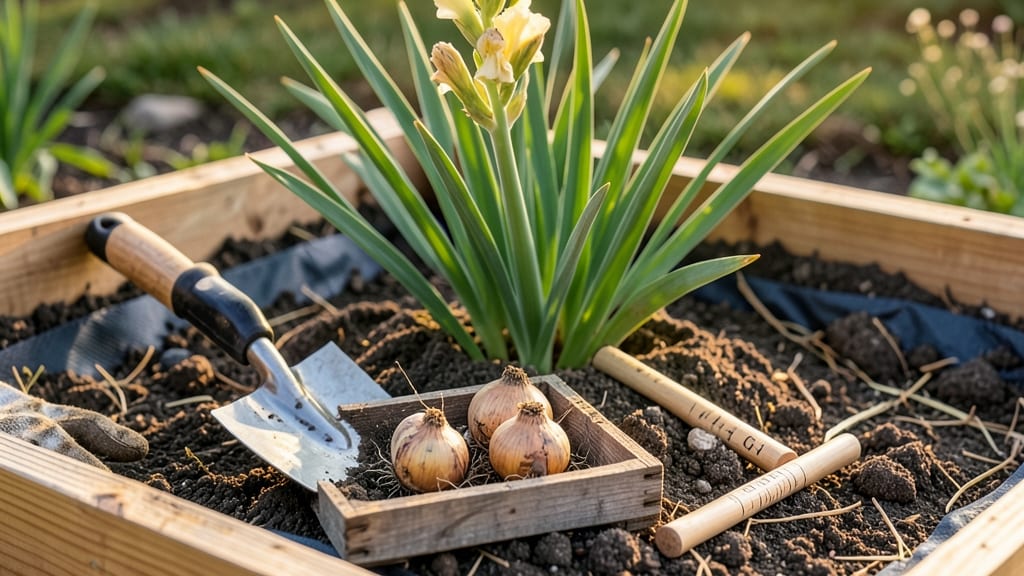
Planting gladiolus bulbs at the wrong time in North Carolina can mean the difference between a garden bursting with show-stopping 🌸 blooms and a season of disappointment.
The key to success lies in understanding your region’s frost dates and soil conditions—because these tropical-looking flowers need just the right window to thrive.
For most of North Carolina—especially in zones 7a-7b—your best bet is to plant gladiolus bulbs between mid-April and early June, after the last frost has passed.
But here’s the catch: Coastal areas might have slightly different timing than the Piedmont, and getting this wrong can leave your bulbs struggling in cold soil. I’ll walk you through exactly when to plant in your specific corner of the state.
Why does timing matter so much? Because gladiolus bulbs need warmth to sprout, and planting too early risks frost damage, while waiting too long can delay those bold summer blooms you’re dreaming of.
Let’s break down the ideal months, soil prep tips, and how to adjust for your local climate—so you can enjoy a garden full of color from July through October.
Whether you’re a first-time gardener or a seasoned pro, mastering the perfect planting window is the secret to gladiolus success. Stick with me, and I’ll show you how to avoid common mistakes that turn promising bulbs into wasted effort. Ready to transform your garden?
Best gladiolus planting months in North Carolina by region
North Carolina's three distinct regions—Coastal Plain, Piedmont, and Mountains—each have unique frost patterns that dictate the perfect time to plant gladiolus bulbs. Coastal areas (Zone 8a) enjoy milder winters, while Mountain regions (Zone 6a) face earlier frosts.
Understanding these differences ensures your gladiolas bloom on schedule, not in the dog days of summer or too late for fall displays.
For Coastal Plain gardeners, the last frost typically occurs by mid-March, giving you a head start. In contrast, Piedmont growers (Zone 7a-7b) should wait until early April, and Mountain gardeners (Zone 6a) may need to delay until late April or early May.
These timing adjustments prevent frost damage to emerging shoots, which can't tolerate temperatures below 50°F.
Here’s how to match your region’s frost-free window with the ideal planting timeline:
| Region | USDA Zone | Last Frost Date | Ideal Planting Window | Soil Temp Threshold |
|---|---|---|---|---|
| Coastal Plain | 8a | Mid-March | Mid-April to early May | 55°F+ |
| Piedmont | 7a-7b | Early April | Late April to mid-May | 50°F+ |
| Mountains | 6a | Late April | Late May to early June | 55°F+ |
For summer blooms, aim to plant in spring (April–June), while fall varieties should go in late August–early September to bloom before frost. In Zone 8a (Coastal), you can even squeeze in a second planting in December for early spring flowers.
Always check your local NC State Climate Office for frost updates, as microclimates can shift planting windows by weeks.
Soil temperature is just as critical as air temperature. Use a soil thermometer to confirm the ground has warmed to at least 50°F before planting. Cold soil slows root growth, leaving bulbs vulnerable to rot.
In Piedmont and Mountain regions, wait until the soil reaches 55°F for faster establishment. Pro tip: Plant in raised beds if your garden soil warms slowly.
Gladiolus bulbs thrive in well-draining soil with a pH of 6.0–6.8. Before planting, amend your soil with compost or aged manure to improve drainage and fertility. In heavy clay soils common in Piedmont, mix in sand or perlite to prevent waterlogging.
Coastal areas with sandy soil may need extra organic matter to retain moisture during dry spells.
Timing isn’t just about frost—it’s also about bloom scheduling. To ensure flowers for Mother’s Day (May), plant in late March–April (Coastal) or early April–May (Mountains). For Fourth of July displays, aim for late April–early June plantings.
Use early varieties like 'Green Star' for quicker blooms or late varieties like 'White Prosperity' for extended season color.
In Mountain regions, where summers are shorter, focus on early-maturing varieties (90–100 days to bloom) to maximize your growing season. Coastal gardeners can experiment with longer-season varieties (120–150 days) for late-summer displays. Always space bulbs 6–8 inches apart and plant them 4–6 inches deep to prevent overcrowding and disease.
One final tip: Mark your planting dates on a gardening calendar to track progress. Gladiolus bulbs need 120–150 days to bloom, so adjust your schedule accordingly. For example, if you plant in late May, expect blooms in late September—perfect for fall weddings or holiday arrangements.
By aligning your planting with your region’s frost dates and soil conditions, you’ll transform your NC garden into a showcase of towering, vibrant gladiolus blooms all summer long. 🌸
How to time gladiolus planting for long-stemmed summer blooms
Timing your gladiolus planting isn’t just about avoiding frost—it’s about unlocking those long-stemmed blooms perfect for summer arrangements. The secret lies in matching your planting date to your gladiolus variety and desired bloom time.
Early varieties can go in as soon as soil warms to 50°F, while late varieties need warmer conditions to avoid leggy stems.
For Mother’s Day displays, aim to plant in late April—this gives bulbs enough time to establish roots before blooming by mid-May. If you’re shooting for Fourth of July color, push planting to early June for July blooms.
The key is calculating 120–150 days from planting to peak bloom, adjusting for your region’s last frost date.
Don’t forget: Soil temperature matters more than air temperature. Use a soil thermometer to confirm your garden bed is above 50°F before planting. Cold soil slows root growth, leading to weak stems.
Pro tip: Mulch after planting to retain heat and speed up sprouting in cooler areas like the NC Mountains.
🌸
-
1Calculate bloom timing: Count 120–150 days backward from your target bloom date (e.g., July 4th = plant by early June).
-
2Test soil temperature: Plant only when soil reaches 50°F+ (use a thermometer for accuracy).
-
3Adjust for variety: Early bloomers (e.g., 'White Prosperity') plant 4–6 weeks earlier than late varieties.
-
4Use companion plants: Pair with marigolds or garlic to deter thrips and aphids during critical growth phases.
-
5Mulch after planting: Apply 2–3 inches of mulch to retain heat and moisture, especially in Coastal NC’s sandy soils.
For extended blooms, consider a two-stage planting approach: Plant half your bulbs in late April for early summer color, then add the second half in early June for late-summer flowers. This strategy works beautifully in Piedmont NC’s warmer microclimates, where soil stays warm longer.
One common mistake? Ignoring daylength sensitivity. Gladiolus bulbs need longer daylight hours to trigger flowering. In Zone 7b, this means planting early enough to align with the 14+ hours of daylight in June and July.
If you’re in Coastal NC (Zone 8a), you can push planting slightly later—just watch for humidity spikes, which increase fungal risks.
💧