
Plants
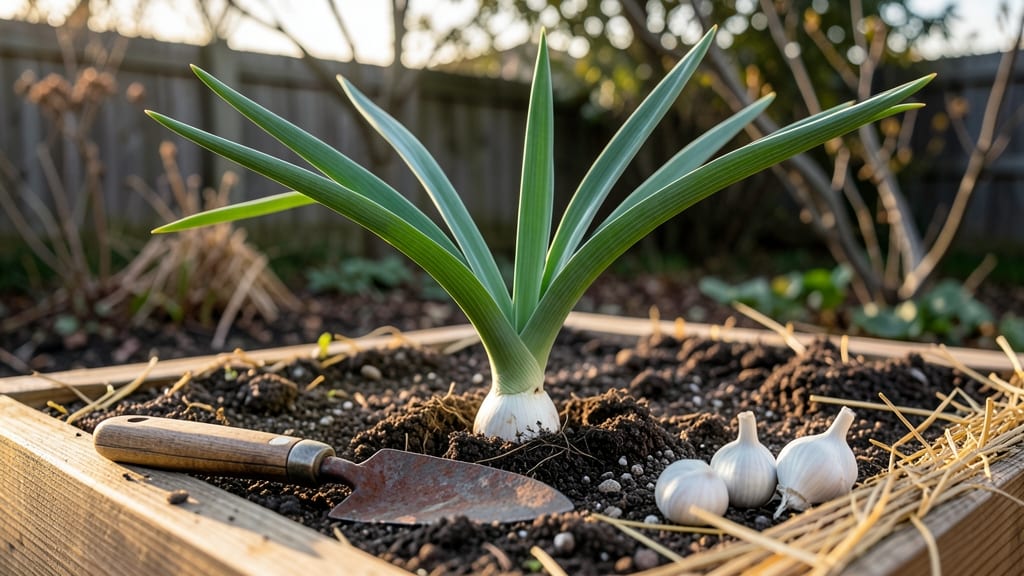
If you’ve ever planted garlic 🧄 in Zone 10a and ended up with puny bulbs—or worse, no harvest at all—you’re not alone. The key to growing bold, flavorful garlic in warm climates like Southern California or Phoenix isn’t just about soil or sunlight; it’s all about timing.
Plant too early, and the heat zaps your crop before it even starts. Too late, and you miss the sweet spot for strong root growth.
Here’s the secret: In Zone 10a, where winters are mild and frost-free, the best months to plant garlic are actually late fall or early winter—October through December, or even January and February.
This might sound counterintuitive, but cooler temperatures (even if just slightly cooler) trick garlic into focusing on root and bulb development instead of leafy top growth.
Why does this matter? Because garlic thrives when days are short and nights are cool, even in warm climates. By planting during these ideal windows, you’re giving your garlic the perfect head start before the heat ramps up again.
And the best part? With the right prep—like choosing the right variety and amending your soil—you’ll be harvesting plump, flavorful bulbs by May or June.
Ready to turn your garden into a garlic powerhouse? Let’s break down exactly how to time your planting, prep your soil, and avoid the common mistakes that leave Zone 10a growers frustrated. Your future meals will thank you.

Optimal planting months for garlic in Zone 10A: cooler season secrets
In Zone 10A, where winters are mild and frost-free, timing your garlic planting correctly is key to avoiding weak bulbs. Unlike cooler zones, you can't wait for fall's first frost—your goal is to plant when soil temps drop to 60-70°F, signaling the start of garlic's dormancy phase.
This typically lands between October and December, with January-February as a secondary window.
Why these months? Garlic needs cool, stable temperatures (50-60°F) to form bulbs, but it can't handle heat over 80°F. Zone 10A's winter warmth means you must plant early enough for bulbs to mature before summer heat arrives.
Think of it as a race against the clock—plant too late, and you'll get skinny cloves; too early, and they may bolt.
Here's the secret: Hardneck varieties (like Rocambole) handle mild winters better than softnecks (like Silverskin), but both need 6-8 months of cool growth. In Zone 10A, that means planting in late fall for a May-July harvest, just as summer heat ramps up.
🌱
| Month | Ideal Planting Time | Soil Temp Goal | Harvest Window |
|---|---|---|---|
| October | Early October (best) | 60-70°F | May-June |
| November | Mid-November | 55-65°F | June-July |
| December | Early December | 50-60°F | July-August |
| January | Late January | 55-65°F | August-September |
| February | Early February (last chance) | 60-70°F | September-October |
Pro tip: Use a soil thermometer to confirm temps before planting. Aim for 60°F or below at 4 inches deep—the sweet spot for root development.
If your soil stays warm (like in Phoenix or coastal areas), opt for shade cloth or plant in raised beds with compost to cool the soil faster.
Adjusting for mild winters is critical. For example, in San Diego, I plant in late October to avoid summer heat, while inland areas like Palm Springs can push planting to early November. Pay attention to your local microclimate—coastal areas stay cooler longer than desert zones.
Another trick? Pre-chill your cloves for 2 weeks in the fridge (35-40°F) before planting. This mimics the cold stratification garlic needs, giving your bulbs a head start in warm climates. Just don't let them sprout before planting!
If you miss the fall window, don't despair—January-February is your backup. Plant then for a late-summer harvest, but be prepared for smaller bulbs. The key is consistent moisture and mulching to keep roots cool during hot spells.
💧
Remember, garlic in Zone 10A is all about balancing timing and temperature. Plant too early, and you'll get bolting (flowering); too late, and bulbs won't mature. The 6-8 month rule is your guide—count backward from your first 90°F day to determine your planting window.
For most of Zone 10A, that lands smack in late fall.
Optimal planting months for garlic in Zone 10A: cooler season secrets
In Zone 10A, where winters are mild and summers scorching, planting garlic at the right time is key to avoiding bolting (premature flowering) or weak bulb development. Unlike colder zones, you can't rely on frost to signal planting time—your garlic needs a cool but frost-free period to establish roots.
My ideal planting window spans from mid-October to December, when daytime temps hover between 60-75°F and nights dip to 50-60°F. This mimics the cooler seasons garlic craves without risking frost damage. January-February is a secondary window for those who miss the fall slot.
Here’s why timing matters: Garlic planted in September may bolt before forming bulbs, while planting after January risks heat stress. The goal is to give your garlic 90-120 days of cool growth before summer heat arrives.
| Month | Why It Works | Soil Temp | Action |
|---|---|---|---|
| October | Cooler days, ideal for root establishment | 60-75°F | Plant cloves 2-4" deep |
| November | Balanced temps prevent bolting | 55-70°F | Add mulch to retain moisture |
| December | Mild winter growth without frost | 50-65°F | Monitor for pests |
| January | Last chance for strong bulb formation | 55-70°F | Plant with extra mulch |
For Zone 10A gardeners, I recommend hardneck varieties like 'Silverskin' or 'Artichoke' for their adaptability to warm climates. Softneck varieties like 'California Early' also perform well but may need shade cloth during peak summer to prevent bolting.
Pro tip: Use a soil thermometer to confirm temps are below 75°F before planting. If your soil stays warm year-round, consider raised beds with added compost—they cool faster and improve drainage.
Once planted, maintain consistent moisture (about 1 inch per week) and avoid fertilizing heavily—garlic needs low nitrogen to form bulbs, not leaves. Mulch with straw or leaves to protect cloves from heat spikes.