
Plants
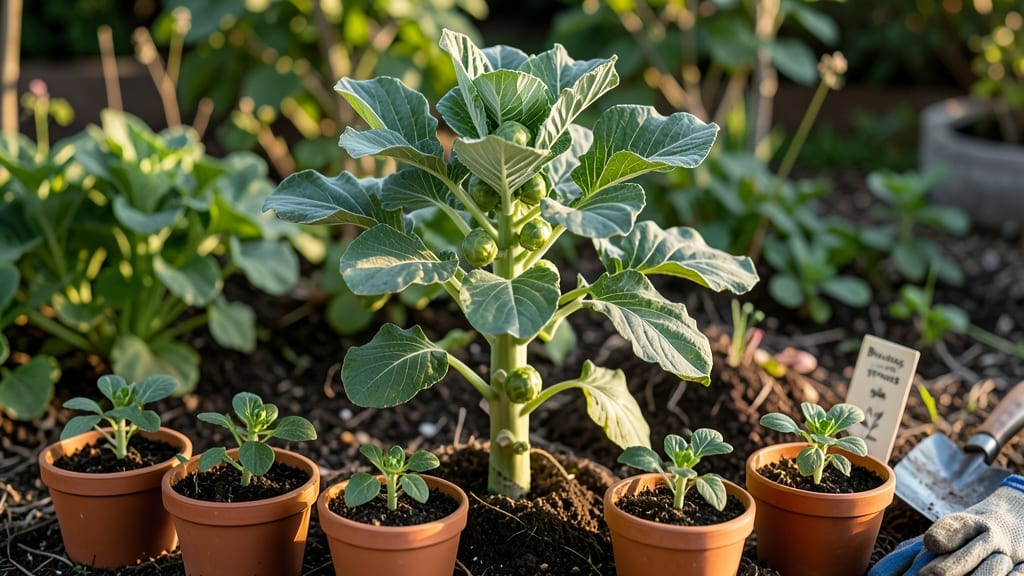
Timing is everything when planting 🥦 Brussels sprouts in Southern California—get it wrong, and you’ll end up with bitter, stunted veggies instead of the sweet, crisp harvests you crave.
Unlike frost-dependent crops, these cool-weather lovers thrive in our 9b-11 zones, but they hate summer heat, which means your planting window is a tightrope walk between coastal breezes and inland heat spikes.
Most gardeners rush to plant in spring, only to watch their sprouts bolt under 90°F+ temps. The secret? Fall planting (September-October) is your golden ticket—giving plants 90-120 days of perfect 60-70°F weather before winter slows them down.
But here’s the twist: coastal areas like San Diego can squeeze in a second crop in February-March, while inland valleys need to plant even earlier to avoid heat stress.
I’ve grown Brussels sprouts in both zones, and the difference is night-and-day. In my coastal garden, a September start yields December-January harvests, while inland friends swear by August transplants to beat the summer slump. The key? Adjusting for your microclimate—and knowing when to avoid planting entirely.
Ready to master the timing? I’ll break down the exact coastal vs. inland schedules, plus pro tips to extend your season (yes, even in Southern California’s tricky climate). Let’s get those sprouts growing the right way.
Optimal Brussels sprouts planting calendar for Southern California’s coastal vs inland zones
Southern California’s diverse microclimates mean your Brussels sprouts planting window can vary dramatically between coastal areas and inland valleys. Coastal regions like Malibu or San Diego (USDA Zones 9b-10a) enjoy milder winters, while inland areas like Palm Springs or Lancaster (Zones 8b-9a) face occasional frost and hotter summers.
Timing your plantings correctly ensures you avoid heat stress or coastal fog delays that can ruin your harvest.
For most of Southern California, fall planting (September-October) is ideal for a winter harvest, while early spring planting (February-March) works for summer crops—but only in cooler inland zones. Coastal gardeners can push planting slightly later due to milder temperatures, while inland gardeners must plant earlier to avoid summer heat.
Here’s how to align your planting with your specific microclimate for maximum success:
| Factor | Coastal Zones (9b-10a) | Inland Zones (8b-9a) |
|---|---|---|
| Best Planting Window | Late September-October (fall) or March (spring) | Early August-September (fall) or February (spring) |
| Frost Risk | None (rare below 32°F) | Possible December 15+ (light frost) |
| Ideal Soil Temp | 55-65°F (plant when soil cools) | 60-70°F (plant earlier to avoid heat) |
| Harvest Window | December-January (fall-planted) or May-June (spring-planted) | November-December (fall-planted) or April-May (spring-planted) |
| Key Challenge | Coastal fog delays (plant slightly later) | Summer heat stress (plant early) |
Coastal gardeners should aim for September 15-October 15 plantings to ensure sprouts mature in 60-70°F temperatures—the sweet spot for flavor development. Inland areas can start as early as mid-August to beat the heat, but avoid planting after September 30 unless you’re using shade cloth.
If you’re in a transition zone (e.g., Orange County or Riverside), split your planting: start with 10% of seeds in late August and the rest in September to hedge against unpredictable weather. This succession planting strategy minimizes risk of losing your entire crop to sudden heatwaves or fog.
For container gardening, coastal gardeners can plant 1-2 weeks later than in-ground plantings since pots warm up faster. Inland gardeners should use black plastic mulch to warm soil earlier in the season, allowing for 2-3 week earlier plantings compared to bare soil.
Pro tip: Check your local AgriMet station (like those in San Diego or Riverside) for real-time soil temperature data. Aim to plant when soil temps drop below 70°F—this is your cue that summer’s intensity is fading and it’s time to sow.
Remember, Brussels sprouts need 90-120 days to mature, so calculate backward from your first expected frost date (if applicable) or your target harvest month. Inland areas can push for a fall harvest by Thanksgiving, while coastal gardeners often enjoy Christmas-to-New Year’s harvests.
🌱
How to adjust planting timing for Brussels sprouts’ unique growth needs
Brussels sprouts are cool-season powerhouses that demand 60-70°F temperatures to thrive, but they bolt and turn bitter when hit with 80°F+ heat. That’s why timing your Southern California planting isn’t just about months—it’s about temperature windows and growth-stage math.
These plants need 90-120 days from transplant to harvest, but they’ll stretch and suffer if planted too early (risking heat stress) or too late (yielding tiny sprouts before winter slows them down).
I’ve learned the hard way: planting in late spring (April-May) often means your plants are flowering by July—and those sprouts? Bitter and woody. Instead, focus on two critical windows: fall (September-October) for winter harvests and early spring (February-March) for summer crops.
The key is ensuring your plants avoid summer’s peak heat while still maturing before winter’s chill sets in.
Here’s the temperature rule of thumb: Brussels sprouts stop growing below 50°F and bolt above 80°F. In Southern California, that means coastal areas (Zone 9b-10a) can push harvests into January, while inland valleys (Zone 8b-9a) may need to plant 4-6 weeks earlier to escape summer’s early arrival.
The 90-day countdown starts when you transplant seedlings, not when you sow seeds—so adjust accordingly if starting from seed.
One of my biggest mistakes was planting Brussels sprouts in March in my inland garden—only to watch them flower by May. The fix? Staggered transplants: I now plant half in February (for a May-June harvest) and half in September (for December-January).
This double harvest strategy works even in Southern California’s frost-free zones, as long as you protect plants from heat stress.
Pro tip: Monitor soil temps—Brussels sprouts need 50-70°F soil to germinate. Use a soil thermometer to confirm conditions before transplanting. Inland areas often have warmer soil in spring, so wait until late February to avoid stunted growth.
Coastal gardeners can plant as early as September, but mulch heavily to retain moisture during fall’s dry spells.
Remember: Brussels sprouts are marathon runners, not sprinters. They need consistent cool temps and no heat spikes during their 90-120 day growth cycle. Master this timing, and you’ll go from bitter disappointments to crisp, flavorful harvests—no matter where you garden in Southern California. 🥦