
Plants
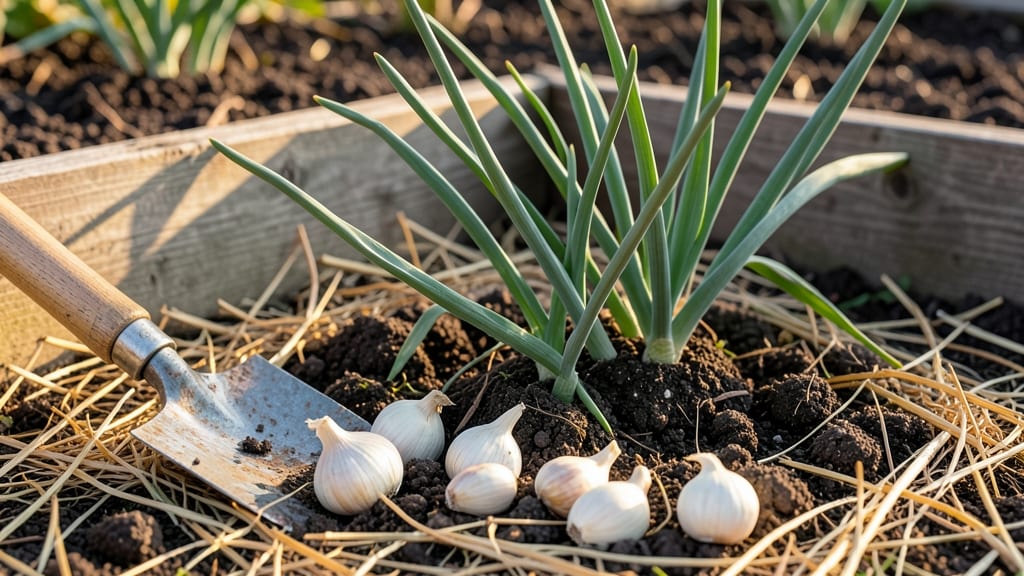
Planting garlic in Minnesota isn't just about throwing cloves in the ground—it's about mastering the perfect timing when soil temperatures drop below 40°F and frost looms. With hardneck varieties like those thriving in your 3b-5b zone, missing this window means weaker bulbs or even no harvest at all.
I've learned the hard way that rushing or waiting too long can turn your 🧄 dreams into disappointment. The key lies in understanding how Minnesota's unpredictable fall weather plays into your planting schedule, from early October's crisp air to November's first snowflakes.
What you're about to discover is how to read your soil's signals—when it's primed for garlic roots to take hold without bolting too early. We'll cover the exact October-November window that works for your region, plus pro tips for adjusting if Mother Nature throws a curveball.
Ready to grow plump, flavorful bulbs next summer? Let's dive into the science and secrets behind planting garlic at the ideal moment—before the ground freezes for good.
Best planting window for garlic in Minnesota (soil temp guide & calendar)
Minnesota’s cold winters make it a perfect state for growing hardneck garlic, but timing your planting is everything. The golden rule? Plant when soil temperatures drop below 40°F—this triggers root growth before dormancy sets in.
For most of Minnesota (USDA zones 3b-5b), this window opens in late September to early November, but exact timing depends on your location.
Northern Minnesota (zones 3b-4a) has a shorter window—aim for mid-September to late October—while southern regions (zones 4b-5b) can plant as late as early November.
The key is beating the first hard frost while ensuring the ground isn’t frozen solid. Miss this window, and you risk stunted bulbs or bolting (premature flowering).
🌱
For hardneck varieties (the best choice for Minnesota), plant 4-6 weeks before the ground freezes. This gives roots time to establish before winter dormancy. If you’re unsure about frost dates, check the MN State Climatology Office or local extension service for your county’s average last frost dates.
Southern Minnesota gardeners can sometimes squeeze in a spring planting (March-April), but yields are typically smaller. Hardneck garlic planted in spring may bolt (flower) prematurely due to warmer soil temps, reducing bulb size. If you’re experimenting with spring planting, opt for softneck varieties, which tolerate warmer starts better.
One common mistake? Planting too early when soil is still warm. Garlic cloves need cool soil (below 40°F) to resist diseases like white rot and basal rot. If you plant in warm soil, the cloves may sprout too soon, weakening the plant before winter.
Always test soil temps with a thermometer—don’t rely on air temperature alone.
Mulching with straw or leaves (3-4 inches) after planting helps insulate the soil and retain moisture. Just avoid piling mulch directly against the cloves to prevent rot. In early spring, remove excess mulch to allow soil to warm and encourage growth.
🌿
If you’re in a transition zone (like the Twin Cities area), aim for mid-October planting. This balances the risk of early frosts with the need for root establishment.
For example, in Zone 4b, planting in early October gives roots 6-8 weeks to grow before the ground freezes, while late October plantings may not establish well.
Finally, remember that garlic is a cool-season crop. It thrives on cold stratification, which is why Minnesota’s winters actually improve flavor and bulb size. The longer the cold period, the sweeter and larger your harvest will be—just
Best planting window for garlic in Minnesota (soil temp guide & calendar)
Minnesota's 3b-5b climate zones demand precise timing for garlic success. The magic happens when soil temperatures dip below 40°F, typically between mid-October and early November. This cold shock triggers root growth while protecting cloves from winter's harshest freeze.
Hardneck varieties—like German White or Chesnok Red—thrive in these conditions, developing robust bulbs over winter. Softnecks, less common here, prefer milder starts but still need cooler soils. The key is planting 4-6 weeks before the ground freezes, giving roots time to establish.
Here’s your soil temperature calendar for Minnesota’s regions:
Use a soil thermometer ($10 at garden centers) to confirm temps. Stick it 4 inches deep—this is where garlic roots will grow. If temps hover near 50°F, wait a week. Planting too early in warm soil can trigger bolting (flowering), ruining your harvest.
For late planters, aim for early November but cover beds with 6+ inches of straw mulch to insulate soil. Early planters in September risk rot—only do this if your soil drains perfectly and stays cool.
Pro tip: Check the MN State Climatology Office for your area’s average frost dates. In Zone 4a, this is usually October 10–20, while Zone 5b holds off until November 1–10. Timing is everything—don’t guess!
Once planted, mulch heavily with straw or leaves to protect cloves from heaving (frost pushing bulbs up). This single step can double your harvest size by preventing winter damage.