
Plants
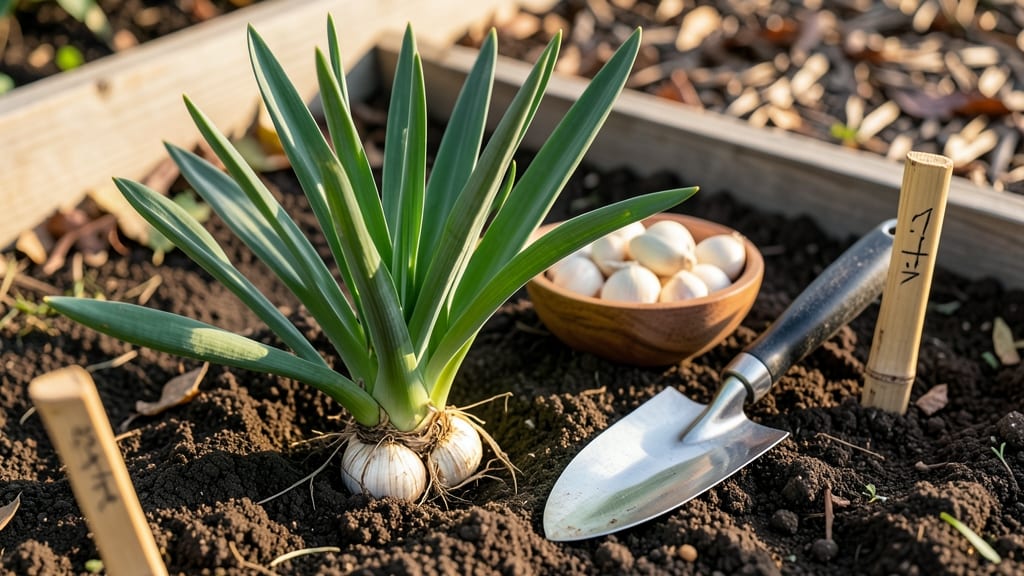
Timing your 🧄 garlic planting in Vermont can mean the difference between a bumper crop and a disappointing harvest. Unlike many vegetables, garlic thrives when planted in the fall—specifically between October and November—when soil temperatures drop but before the ground freezes solid.
This window isn’t just about avoiding frost; it’s about giving your garlic cloves the 60-90 days of cold they need to develop strong roots before winter dormancy.
Vermont’s USDA Zones 4b-6a create the perfect conditions for hardneck varieties, which are the star of local gardens for their bold flavor and ability to produce scapes.
But here’s the catch: planting too early or too late can leave you with weak bulbs or even no harvest at all. Whether you’re a seasoned gardener or just starting, understanding the critical frost dates and soil prep steps will set you up for success.
I’ll walk you through the exact steps to time your planting, from choosing the right variety to preparing your soil—so you can enjoy homegrown garlic that’s sweeter, stronger, and ready by mid-summer.
Vermont garlic planting calendar: hardneck vs softneck timing explained
Vermont’s cool climate and short growing season demand precise timing for garlic planting. The key difference lies in hardneck and softneck varieties—each with its own ideal window.
Hardnecks, like Music or German White, thrive when planted in fall (October-November), while softnecks, such as Silverskin, can handle spring planting too. Understanding these distinctions ensures your garlic develops properly before Vermont’s first frost.
For most of Vermont (USDA zones 4b-6a), the optimal planting window is between mid-October and early November. This timing allows roots to establish before the ground freezes, while the bulbs remain dormant through winter.
Planting too early risks rot from excess moisture, while late planting may leave bulbs underdeveloped. Vermont’s last frost typically hits by mid-December, so aim to finish planting at least 4-6 weeks before that date.
Here’s how Vermont’s regional microclimates influence timing:
| Variety | Best Planting Window | Key Notes for Vermont | Harvest Time |
|---|---|---|---|
| Hardneck (e.g., Rocambole, German Red) | Mid-October to early November | Needs cold vernalization; plant before ground freezes. Ideal for large bulbs and scapes. | Mid-July to early August |
| Softneck (e.g., Silverskin, Artichoke) | Fall (Oct-Nov) OR early spring (March-April) | Spring planting risks smaller bulbs but extends harvest. Best for green garlic or storage. | Late July to September |
| Elephant Garlic (Technically a leek) | Late March to early April | No vernalization needed; plant after last frost. Grows faster but yields larger single cloves. | Late August to October |
Vermont’s northern exposure means soil temperatures drop faster than southern states. Use a soil thermometer to confirm the ground is below 40°F—a sign it’s time to plant. In Zone 4b (e.g., Burlington), start earlier (late September), while Zone 6a (e.g., Bennington) can wait until early November.
Pro tip: Plant hardnecks in well-draining soil to prevent rot during Vermont’s wet springs.
If you miss the fall window, softnecks offer a lifeline. Plant them in early spring (March-April) for a smaller harvest, but you’ll still get green garlic or immature bulbs by summer.
Avoid planting softnecks after May 1st, or they may bolt before maturing. For hardnecks, spring planting is a gamble—bulbs often fail to form properly without winter chilling.
Vermont gardeners swear by covering beds with straw after planting to insulate bulbs during winter. This 3-4 inch layer protects against heaving (when soil freezes and pushes bulbs out) and keeps moisture consistent.
Remove the straw in early spring once shoots emerge. Pair this with compost-rich soil (pH 6.0-7.0) to give your garlic the nutrients it needs to thrive in Vermont’s cool, rocky terrain.
Timing isn’t just about the calendar—it’s about soil conditions. Test your soil’s drainage by digging a hole and filling it with water. If it drains in under 2 hours, your soil is ideal. If not, amend with sand or perlite to prevent waterlogged roots.
Vermont’s clay-heavy soils in areas like St. Johnsbury benefit most from this prep. Plant cloves 2 inches deep, 4-6 inches apart, with 6 inches between rows for optimal airflow.
One common mistake in Vermont is planting garlic too late due to unpredictable weather. If snow covers your beds in December, don’t panic—garlic can handle light frost. However, if the ground stays unfrozen for weeks after your target planting date, delay until soil cools.
Use row covers in early spring to extend the season if you’re experimenting with spring-planted softnecks.
For hardneck varieties, Vermont’s cold winters are a bonus—they trigger bolting (scape production) and larger bulb formation. If you’re growing for scapes (the curly garlic shoots), harvest them when they’re 3-6 inches long in early
5 Critical factors that determine your garlic planting success in Vermont
Vermont’s cool climate and short growing season demand precision when planting garlic. Unlike warmer regions, timing isn’t just about avoiding frost—it’s about leveraging Vermont’s cold winters to strengthen your bulbs. The 5 key factors below will make or break your harvest, from soil temperature to variety selection.
First, soil temperature is non-negotiable. Garlic cloves need 40-50°F soil to sprout, which in Vermont typically happens in mid-October to early November. Plant too early, and your cloves may rot before winter; too late, and they won’t establish roots before freezing.
Use a soil thermometer to confirm—this is your best tool for success.
Next, frost dates dictate your planting window. Vermont’s average first frost arrives by mid-October, but you should plant 4-6 weeks before the ground freezes solid (usually late November).
Hardneck varieties like ‘German Red’ or ‘Music’ thrive in this cold, while softnecks like ‘Silverskin’ are more flexible but still need timing.
❄️ Hardneck varieties need 60-90 days of cold; softnecks tolerate 30-60 days.
Don’t overlook bulb selection. Vermont’s climate favors hardneck garlic, which produces scapes (those curly stems) and larger cloves. Softneck varieties, like ‘California Early’, store longer but struggle in our cold winters. Buy organic, untreated cloves from reputable sellers—avoid supermarket garlic, which is often treated to prevent sprouting.
Spacing and soil prep are often overlooked but critical. Plant cloves 4 inches deep, 6 inches apart, in rows 12 inches apart. Vermont’s clay-heavy soils drain poorly, so amend with compost or sand to prevent rot. A mulch layer (straw or leaves) insulates roots through winter—essential for hardnecks.
Finally, patience pays off. Vermont-grown garlic takes 240-300 days to mature, so don’t rush harvests. Wait until lower leaves brown and bulbs are firm (usually July-August). Curing properly—hanging bulbs in a dry, shady spot for 2 weeks—preserves flavor and storage life.