
Plants
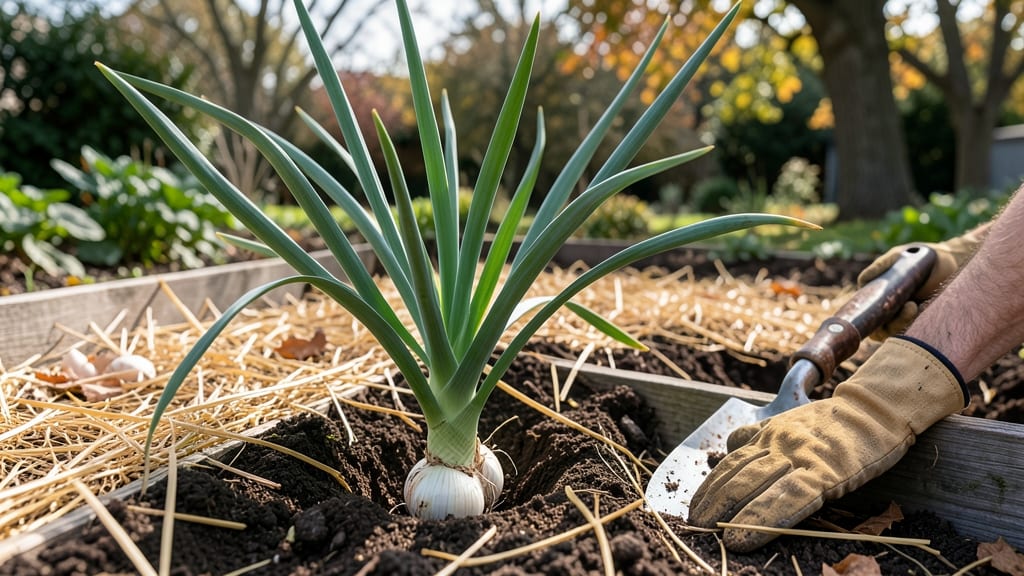
Timing your 🧄 garlic planting in Minnesota isn’t just about throwing cloves in the ground—it’s the difference between a bumper crop and a sad, shriveled harvest. With USDA zones 4a-5b and frost creeping in by mid-October, you’ve got a narrow window to get it right.
Most Minnesota gardeners swear by fall planting—mid-October to early November—but hardneck varieties (like the beloved Music or German White) actually prefer our cold winters. The key? Planting 4-6 weeks before the ground freezes, so those cloves root before winter sets in.
Here’s the game-changer: Skip spring planting unless you’re growing softneck varieties (like Silverskin), which are less cold-hardy. For hardnecks, the secret is letting nature do the work—your garlic will sit dormant all winter, then explode with growth when spring hits.
Ready to avoid the #1 mistake? I’ll walk you through exactly when to plant, how deep to go, and why mulching with straw could save your harvest from frost heave. Let’s get those cloves in the ground the right way.
Best planting windows for Minnesota garlic: hardneck vs softneck breakdown
Minnesota gardeners know timing is everything—especially for garlic. The USDA zones 4a-5b here demand precision, and choosing between hardneck and softneck varieties changes your planting strategy.
Hardneck garlic thrives in our cold winters, while softneck prefers milder conditions. Let’s break down the best windows for each type to maximize your harvest success.
For hardneck garlic, the optimal planting window is mid-October to early November. This timing ensures cloves establish roots before the ground freezes but avoid rotting from prolonged cold. Softneck garlic, less cold-hardy, should go in late September to mid-October—earlier than hardneck but still before frost.
Both varieties need 4-6 weeks before the ground freezes. In Minnesota, this means planting 4-6 inches deep in well-draining soil, with 6 inches between cloves. The key is soil temperature: aim for 40-50°F at planting time. Use a soil thermometer to check—this is your green light to start.
Hardneck garlic’s cold resistance makes it the star of MN gardens. Its hardneck (the stem) produces flavorful cloves and survives winters down to -20°F. Softneck, while milder, stores longer but struggles with our harsh freezes.
If you’re growing for culinary use, hardneck’s bold flavor wins—just plant it 2 weeks later than softneck.
Pro tip: Use local frost dates as your guide. Check the MN State Climatology Office for your area’s first frost (usually October 1-15) and count backward. For example, if frost hits October 20, plant by September 25 to give roots time to establish.
Here’s a quick Minnesota-specific rule of thumb:
- Northern MN (Zone 4a): Plant hardneck only, late September to October 15.
- Central/Southern MN (Zone 4b-5b): Plant hardneck (Oct-Nov) or softneck (Sept-Oct).
Soil prep is non-negotiable. Amend your beds with compost and sand if your soil is heavy clay—garlic hates soggy roots. A pH of 6.0-7.0 is ideal. Test your soil in early fall and adjust if needed. Mulch heavily after planting (4-6 inches of straw) to insulate cloves through winter.
One common mistake? Planting too shallow. Cloves need depth to survive freeze-thaw cycles. If you’re unsure, dig a test hole—your garlic cloves should sit 2 inches below the frost line in your area. In Zone 4a, that’s often 6 inches deep.
Finally, consider moon phases for extra success. Planting during a waxing moon (when the moon is growing brighter) encourages root development. Check a lunar planting calendar for your region—it’s a gardener’s secret weapon!
⚠️| Variety | Best Planting Window (MN) | Soil Temp at Planting | Cold Hardiness | Harvest Time | MN-Specific Tip |
|---|---|---|---|---|---|
| Hardneck Garlic | Mid-October to early November | 40-50°F | -20°F (survives MN winters) | Mid-July to August | Plant 2 weeks later than softneck |
| Softneck Garlic | Late September to mid-October | 50-60°F (warmer soil) | 15°F (struggles in Zone 4a) | Late July to early August | Use mulch to protect from early frost |
| Elephant Garlic (Hardneck Hybrid) | Late September to October 15 | 45-55°F | -15°F (good for MN) | Late July to August | Needs extra nitrogen for large bulbs |
Now that you’ve got your planting windows locked in, let’s talk frost timing. Minnesota’s microclimates vary wildly—urban areas stay warmer than rural spots, and lakes create their own weather patterns. Use these local adjustments to fine-tune your schedule:
Best planting windows for Minnesota garlic: hardneck vs softneck breakdown
Minnesota’s USDA zones 4a-5b demand precision when planting garlic—hardneck varieties like German White or Music thrive in our winters, while softneck types (like Silverskin) need gentler treatment. The key difference? Hardnecks require cold stratification, while softnecks can tolerate milder conditions.
For hardneck garlic, aim for mid-October to early November—this gives cloves time to root before the ground freezes. Softnecks, however, can stretch into late November but risk poor bulb development if planted too late. The 4-6 week rule before frost is non-negotiable for hardnecks.
Here’s the breakdown you need to avoid common mistakes:
| Variety | Best Planting Window (MN) | Cold Hardiness | Soil Temp Threshold |
|---|---|---|---|
| Hardneck (e.g., Music, German White) | Mid-October to early November | Zone 4a-5b (survives -20°F) | 40-50°F (roots before freeze) |
| Softneck (e.g., Silverskin, Artichoke) | Late October to late November | Zone 5b+ (struggles below 20°F) | 45-55°F (needs warmer soil) |
⚠️ Pro Tip: Use a soil thermometer to confirm temps—hardnecks root at 40°F, softnecks need 50°F+.
Why does this matter? Hardneck garlic needs winter chill to form scapes and bulbs—planting too early (like September) risks rot, while late planting (after November) stunts growth. Softnecks, meanwhile, can handle milder winters but won’t store as long.
For northern MN (Zone 4a), prioritize early October planting—delaying risks cloves freezing before rooting. In southern MN (Zone 5b), you’ve got until mid-November, but softnecks may still struggle. Always check your last frost date (MN averages October 15–November 15) and plant 4-6 weeks prior.
One final tip: If you’re in doubt, hardnecks win for Minnesota’s climate. They’re hardier, store longer, and produce those prized scapes—worth the extra effort! Just remember: depth matters—plant cloves 2 inches deep (pointy end up) for hardnecks, 1.5 inches for softnecks.