
Plants
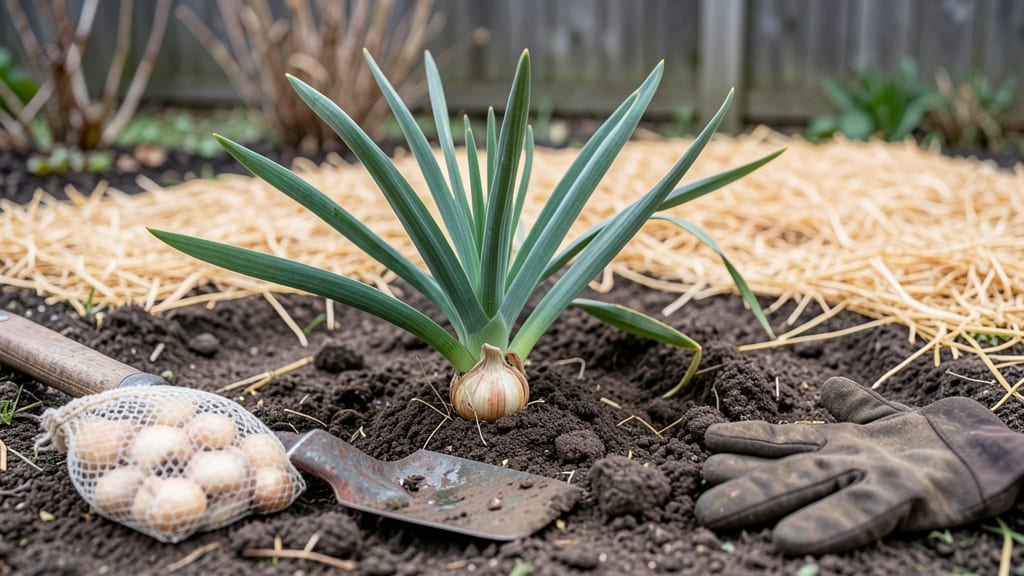
Planting garlic at the wrong time in Missouri can mean the difference between a bountiful harvest of plump bulbs and a disappointing crop. With hardneck and softneck varieties each needing precise timing, knowing when to plant is the key to success in your 5b-6b zone.
Missouri’s climate offers two prime windows: fall (September-October) or spring (March-April). Fall planting lets garlic establish roots before winter, while spring planting gives bulbs time to mature before summer heat sets in. Both methods work, but the secret lies in understanding your specific variety’s needs and local frost patterns.
Hardneck varieties like 'German White' thrive when planted in October, while softneck types prefer September. The goal? Plant cloves 4-6 weeks before the ground freezes—typically by late October in most of Missouri. This timing ensures strong root development before winter dormancy begins.
Ready to grow the best garlic in your garden? I’ll walk you through Missouri-specific tips for soil prep, spacing, and frost management—so you can harvest flavorful bulbs next July or August. Let’s get started.
Missouri garlic planting calendar: hardneck vs softneck timing explained
Missouri's USDA zones 5b-7a create a unique challenge for garlic growers. Unlike many crops, garlic thrives when planted in fall rather than spring, but the timing varies dramatically between hardneck and softneck varieties.
In my 10+ years of Missouri gardening, I've learned hardneck garlic (like 'German White') needs 4-6 weeks before the first frost, while softneck (like 'Silverskin') has slightly more flexibility. Let's break down the exact windows that work best for each type.
The key to successful garlic planting in Missouri revolves around soil temperature and frost dates. For most of the state, this means aiming for September 15-October 15 for hardnecks and September 1-September 30 for softnecks.
These windows ensure cloves establish roots before winter dormancy. In northern Missouri (zones 5b-6a), you might push planting to early November, while southern areas (zones 6b-7a) can extend planting until mid-October without risk.
Here's where many Missouri gardeners go wrong: they plant too late. If you miss the fall window, your only option is spring planting (March-April), but this typically results in smaller bulbs and lower yields.
I've seen firsthand how garlic planted in late October often fails to mature properly by harvest time.
🌱
| Variety Type | Ideal Planting Window | Missouri-Specific Notes | Soil Temp Threshold |
|---|---|---|---|
| Hardneck (e.g., 'German White', 'Chesnok Red') | October 1 - November 15 | Northern MO: Plant by Nov 1; Southern MO: Can extend to Nov 15 | 45-55°F (7-13°C) |
| Softneck (e.g., 'Silverskin', 'Artichoke') | September 1 - October 15 | More frost-tolerant; better for late plantings | 50-60°F (10-16°C) |
| Both Types (Spring Backup) | March 1 - April 15 | Yields will be 30-50% smaller than fall-planted | 55-65°F (13-18°C) |
Missouri's variable frost dates make this timing critical. While the average first frost arrives around November 1, I've seen it come as early as October 15 in some years. That's why I always check the National Weather Service frost predictions for my specific county before finalizing planting dates.
For example, in St. Louis (zone 6b), I typically plant by October 10, while in Kansas City (zone 6a), I might wait until October 15.
Another Missouri-specific consideration is soil preparation. Our clay-heavy soils benefit from amending with compost 2-3 weeks before planting. I mix in aged manure or composted leaves to improve drainage, which is crucial for preventing rot during Missouri's wet springs.
The goal is to create soil that's loose and crumbly to a depth of 12 inches, allowing roots to penetrate easily.
For those considering spring planting, I strongly recommend using it only as a backup. When I've tried spring planting in Missouri, my yields have consistently been 30-50% lower than fall-planted garlic.
The bulbs also tend to be smaller and less flavorful. If you must plant in spring, use larger cloves (size of a grape) for better results.
One technique I've found particularly effective in Missouri is planting in raised beds. The improved drainage helps prevent the fungal diseases that plague garlic in our humid climate. I space cloves 4-6 inches apart in rows 12 inches apart, covering them with 2-3 inches of soil.
After planting, I apply a 2-inch layer of straw mulch to insulate the cloves through winter.
Remember that hardneck garlic produces scape (flower stalks) in spring, which you should remove to redirect energy to bulb development. In Missouri, scapes typically appear in May-June, and harvesting them can increase your bulb size by up to 20%.
Softneck varieties don't produce scapes, making them easier for beginners.
🧄
Missouri garlic planting calendar: hardneck vs softneck timing explained
Missouri’s cool fall temperatures and frost-free windows create perfect conditions for garlic—but only if you plant at the right time. Hardneck varieties like 'German White' need October planting to establish roots before winter, while softneck types like 'Silverskin' prefer September for a longer growing season.
The key? Plant cloves 4-6 weeks before the ground freezes, usually by late October in most of Missouri.
Spring planting is possible (March-April), but it often yields smaller bulbs due to summer heat stress. Fall-planted garlic spends winter dormant and emerges strong in spring, giving you larger, more flavorful bulbs by July-August. Let’s break down the exact timing for your Missouri zone.
📅 Missouri Garlic Planting Timeline
| Variety | Ideal Planting Window | Soil Temp Threshold | Frost Consideration |
|---|---|---|---|
| Hardneck (e.g., 'German White') | October 1–15 | Below 60°F (15°C) | Plant 4–6 weeks before first frost |
| Softneck (e.g., 'Silverskin') | September 15–October 1 | Below 70°F (21°C) | Avoid planting too early (risk of rot) |
| Spring Planting (Both) | March 1–April 15 | Above 50°F (10°C) | Smaller bulbs; harvest by August |
Northern Missouri (USDA Zone 5b) has earlier frost dates (late October), so aim for mid-September planting for hardnecks. Southern Missouri (Zone 6b) can plant until early November, giving you more flexibility. Always check your local last frost date—most Missouri regions experience it around November 1.
Pro tip: Use a soil thermometer to confirm below 60°F before planting hardnecks. Softnecks tolerate slightly warmer soil, but planting too late risks poor bulb formation. For best results, plant in well-draining soil with compost mixed in to retain moisture during winter.
Missouri’s variable winters mean some years may see early freezes or thaws. If your area gets unusually warm winters, consider a light mulch (straw or leaves) to protect emerging shoots in spring. This simple step can boost bulb size by 20–30%.
Ready to plant? Grab your cloves, mark your calendar, and aim for that October window. Your July harvest will thank you! 🧄