
Plants
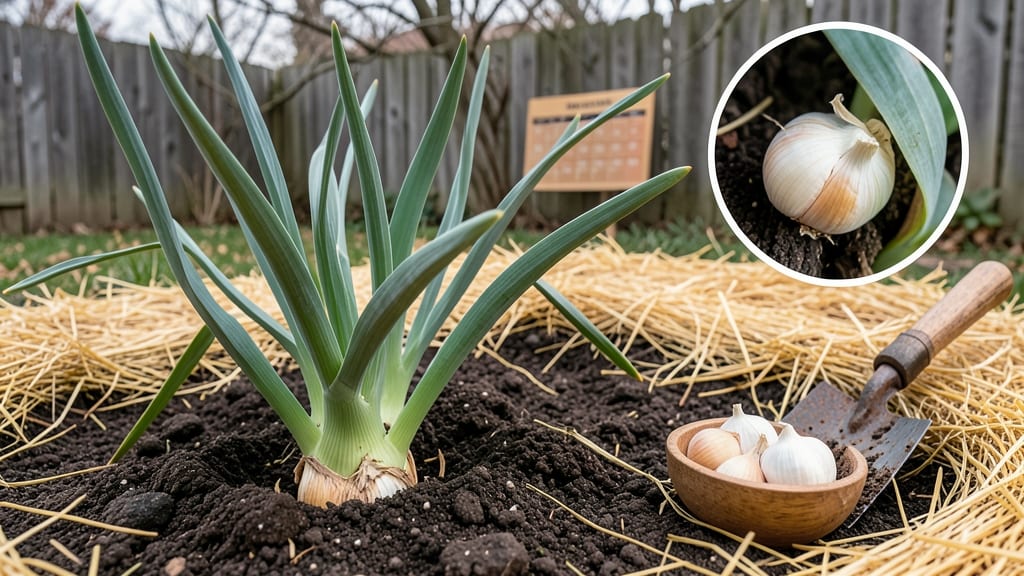
Planting garlic in Upstate New York isn’t just about timing—it’s about catching that sweet spot between frost and dormancy to grow plump, flavorful bulbs.
With winters in zones 5b-6b and a short growing season, getting your cloves in the ground at the right moment makes all the difference between a harvest and a bust.
Most gardeners here swear by mid-to-late October as the ideal window, but why? It’s not just about the calendar—it’s about letting the cold harden your 🧄 garlic before winter sets in. Too early, and your cloves might sprout before freezing; too late, and you risk weak bulb development.
I’ll break down exactly how to read your soil and microclimate to nail the perfect timing every year.
Hardneck varieties like Rocambole and Purple Stripe thrive in Upstate NY’s climate, but they demand precision. Plant them too soon, and you’ll deal with early greening; too late, and you’ll miss the chance for strong root establishment before the ground freezes.
The goal? A full 6-8 weeks of cold exposure to trigger those prized bulbs.
Ready to stop guessing and start growing? I’ll walk you through the exact steps—from soil prep to mulching for winter protection—to ensure your garlic emerges next July ready for harvest. Let’s get those cloves in the ground the right way.
Upstate NY garlic planting calendar: hardneck varieties’ exact months by Zone
Upstate New York’s USDA Zones 4–6 create unique challenges for garlic growers. The key is planting hardneck varieties like Purple Stripe or Rocambole in the 6-week window before the ground freezes—typically mid-October to late November.
This timing ensures bulbs develop properly through winter’s cold, which hardnecks actually require for flavor and size.
Your exact planting date depends on elevation and microclimate. In Zone 4 (northern areas like Plattsburgh), aim for late September to early October to avoid early freezes.
Meanwhile, Zone 6 (southern areas like Syracuse) can wait until mid-to-late October. Soil temperature should be between 40–50°F—use a soil thermometer to confirm.
Here’s the critical timeline for Upstate NY gardeners:
| Zone | Best Planting Window | Soil Temp Threshold | Varieties to Plant |
|---|---|---|---|
| Zone 4 (Northern Upstate) | Late September–Early October | 40–45°F | German White, Purple Stripe |
| Zone 5 (Central Upstate) | Mid-October | 45–50°F | Rocambole, Music |
| Zone 6 (Southern Upstate) | Late October–Early November | 50°F+ | Silverskin, Artichoke |
Missed the fall window? Spring planting is possible but yields are 30–50% smaller—only attempt it if you’re growing garlic for green shoots (not bulbs). For spring plantings, use softneck varieties like California Early and plant in March–April when soil reaches 50°F.
Pro tip: Test your soil’s drainage before planting. Garlic hates soggy soil—amend heavy clay with compost or sand to prevent rot. Once planted, mulch heavily with straw or leaves (6+ inches) to insulate bulbs through winter’s fluctuations.
Hardneck garlic planted in Upstate NY’s fall window will produce scape shoots in June and mature bulbs by mid-July—but only if you’ve nailed the timing. Skip the guesswork by marking your calendar for mid-October and adjusting based on your zone.
For rocky or shallow soil, consider raised beds filled with well-draining mix. This mimics ideal conditions and gives roots room to expand, which is critical for large bulb development in Upstate NY’s short growing season.
Remember: Cold vernalization (exposure to winter temps) is what triggers hardneck garlic to bulb properly. Planting too late means bulbs may stay small and weak, while planting too early risks frost damage before roots establish.
Use a moon planting guide for extra precision—aim for a waxing moon in October to boost root growth. Pair this with a balanced fertilizer (5-10-10) at planting time for the best start.
5 Critical factors that shift your garlic planting timeline in Upstate NY
Upstate New York’s microclimates can shift your garlic planting window by 2–4 weeks, so don’t rely solely on calendar dates. Soil temperature is your first clue—aim for 40–50°F soil when planting. Use a soil thermometer to confirm readiness, especially in rocky or sandy areas where heat escapes faster.
Elevation plays a hidden role: gardens above 2,000 feet (common in the Adirondacks) experience earlier frosts. Adjust your planting 2 weeks earlier than lowland areas. For example, Zone 5b gardeners at 1,500 feet might plant in early October, while those at 3,000 feet should start by mid-September.
- Soil Type: Clay holds warmth longer; rocky soil freezes faster
- Elevation: Add 1 week earlier per 1,000 ft above 1,500 ft
- Mulch Thickness: 4–6" of straw delays frost by 3–4 weeks
- Previous Crop: Legumes improve soil; heavy feeders deplete nutrients
- Microclimate: South-facing slopes warm 2–3°F faster than north-facing
Your mulching strategy directly impacts planting flexibility. A 4–6 inch layer of straw can push your window 2–4 weeks later by insulating the soil. Test this by planting half your cloves without mulch in late October and half with mulch in early November.
The mulched batch often outperforms the earlier planting due to extended root development.
Rocky soil or poor drainage? These conditions force earlier planting by 2–3 weeks to avoid waterlogged roots. Amend with compost or sand before planting, and choose well-draining varieties like German White, which tolerates 50% more rock content than Rocambole.
Test your soil’s drainage by digging a 6-inch hole and filling it with water—if it drains in 2 hours, it’s safe for garlic.
Don’t overlook previous crop history. If your bed grew heavy feeders like corn or tomatoes last year, replenish nutrients with composted manure before planting. Garlic thrives in well-drained, slightly acidic soil (pH 6.0–7.0), so test your soil in fall and adjust with lime or sulfur as needed.
A pH above 7.0 reduces bulb size by 30–40%.
Finally, local weather patterns dictate your last chance. If your area averages first snow by November 15th, plant by October 31st to ensure roots establish before dormancy. Use a weather app with frost alerts to track 32°F thresholds—garlic cloves can survive brief dips but not prolonged freezing.
For Zone 6b, this means no later than November 1st.