
Plants
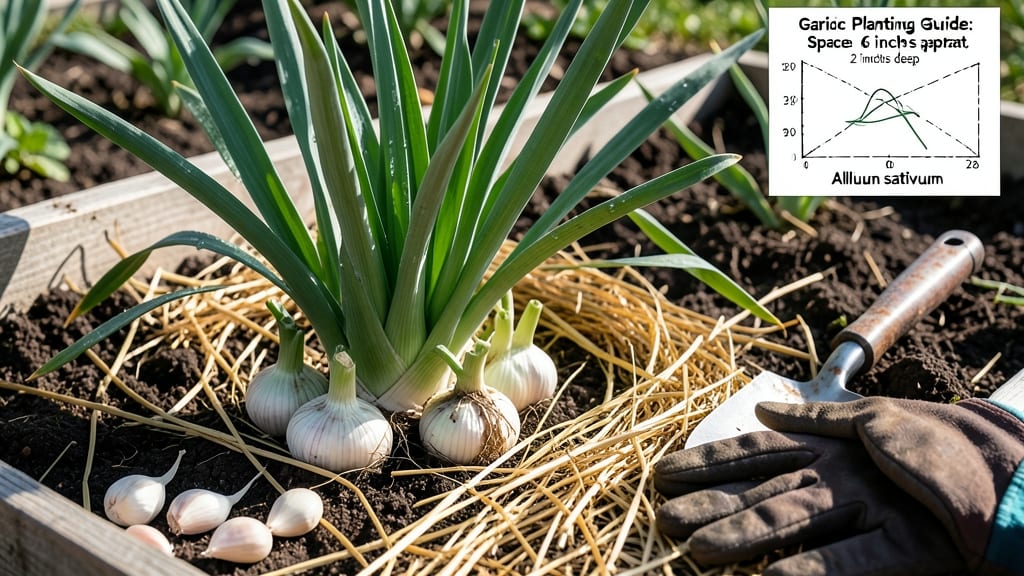
Planting garlic in New York at the wrong time can mean the difference between a thriving crop and wasted effort. The key to success lies in understanding when and how to plant this hardy vegetable in your 5b-7b zone.
Fall planting is your best bet, but timing matters—too early, and your cloves may sprout; too late, and winter’s chill won’t help them develop properly.
If you’ve ever wondered why your 🧄 harvests fall short, the answer likely starts with the calendar. New York’s climate demands precision: mid-October to early November is your ideal window for fall planting, but even then, soil temperatures and frost patterns play a critical role.
Get it right, and you’ll enjoy plump bulbs by late June or early July the following year.
Don’t let common mistakes derail your garlic dreams. Over-planting, ignoring soil prep, or skipping frost protection can turn your garden into a disappointment.
I’ll walk you through the exact steps to prepare your soil, choose the right varieties, and avoid pitfalls that ruin harvests—so you can enjoy a bumper crop of flavorful garlic.
Ready to grow garlic like a pro? Let’s dive into the secrets of timing, soil, and variety selection that will transform your New York garden into a garlic-growing powerhouse. You’ll learn how to work with your climate, not against it, for the best results.
Best fall planting window for garlic in New York: exact dates & climate zones
Garlic thrives in New York’s climate when planted in fall, but timing is critical. The ideal window is mid-October to early November, allowing cloves to root before winter.
For USDA Zones 5b-7b (covering most of NY), this ensures bulbs develop properly despite cold winters. Planting too early risks rot, while late planting may result in small, weak cloves.
New York’s first frost typically arrives around October 15, but soil temperatures drop faster than air temps. Aim to plant 4-6 weeks before ground freezes (when soil hits 40-50°F).
In Zone 5b (e.g., Buffalo, Syracuse), this means late September to mid-October. For Zone 7b (e.g., NYC, Long Island), stretch planting to mid-October to early November.
Hardneck varieties (like Purple Stripe or Rocambole) are best for NY—they handle cold winters and produce flavorful scapes. Softneck types (e.g., Silverskin) struggle with freezing temps and are better suited for spring planting in warmer microclimates like Long Island’s south shore.
🌱
🌱 New York Garlic Planting Comparison
| Factor | Hardneck Varieties | Softneck Varieties |
|---|---|---|
| Best Planting Time | Fall: Mid-Oct to Nov | Spring: March-April |
| USDA Zones | 5b-7b (NY-wide) | 6a+ (warmer microclimates) |
| Soil Temp Threshold | 40-50°F (before frost) | 50-60°F (spring) |
| Harvest Window | Late June-July | July-August |
| NY-Specific Tip | Mulch with 6+ inches straw to insulate | Use black plastic mulch for heat |
⚠️ Pro Tip: Test soil with a thermometer—plant only when temps stabilize below 50°F for 3+ days.
Adjust for early/late frosts by monitoring local forecasts. In Upstate NY (Zone 5b), a hard freeze by November 1st may require earlier planting. Conversely, Long Island’s Zone 7b can sometimes extend planting to mid-November, but avoid planting after November 15—cloves won’t root in time.
For spring planting (a backup option), plant March 1-15 once soil warms to 50°F. However, spring garlic in NY rarely rivals fall-planted bulbs in size or flavor. If you choose this route, opt for softneck varieties like California Early, which tolerate warmer soils.
🌡️
One critical NY-specific challenge is soil variability. Heavy clay soils (common in Western NY) drain poorly and risk waterlogging, while sandy loam (e.g., Hudson Valley) dries out too quickly.
Amend soil with compost and sand to improve structure. Test soil pH—garlic prefers 6.0-7.0; adjust with lime if needed.
Finally, mulching is non-negotiable in NY’s winters. Apply 6+ inches of straw after planting to insulate cloves. In Zone 5b, this prevents heaving (when soil freezes/thaws and pushes bulbs up). Remove mulch in late winter (February) to allow soil to warm for spring growth.
☀️
How to prepare garlic for fall planting in New York: soil, spacing & variety tips
Choosing the right garlic varieties for New York’s climate is your first step to success. Hardneck varieties like Rocambole or Purple Stripe thrive in our USDA zones 5b-7b, producing robust bulbs with flavorful cloves.
Softneck varieties, while popular in warmer regions, struggle with our winters—so stick to hardnecks for the best results.
Your soil must be well-draining and rich in organic matter. New York’s heavy clay or sandy loam can compact easily, so amend with compost or aged manure before planting. Aim for a pH between 6.0 and 7.0—garlic hates acidic soil, which can stunt bulb development.
Timing your soil prep is critical. Test your soil 4-6 weeks before planting (mid-September to early October). If your garden bed feels dense or waterlogged, mix in perlite or coarse sand to improve aeration. A simple dig-and-amend approach works best—no need for heavy machinery.