
Plants
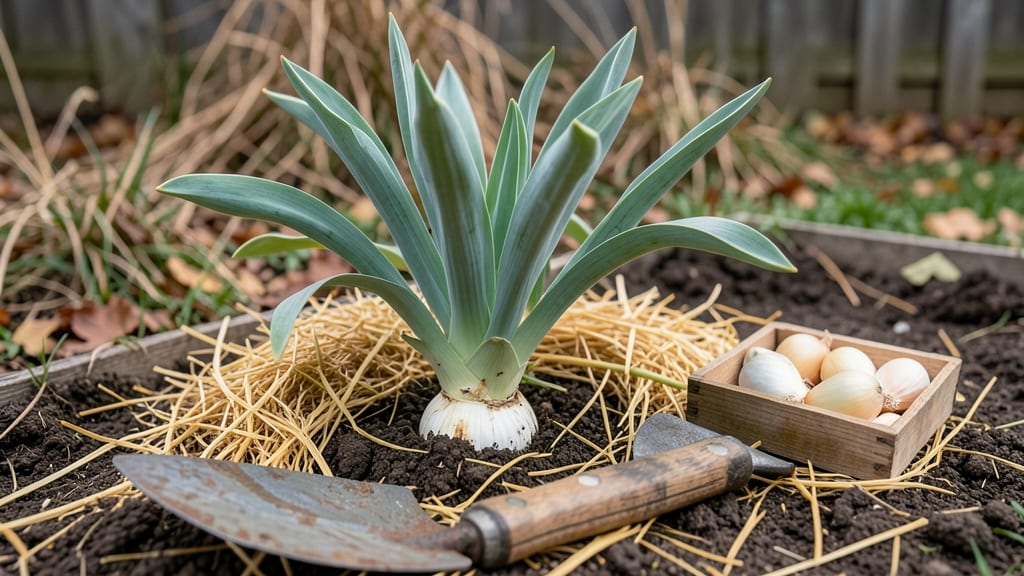
Planting garlic in Upstate NY at the right time can transform your garden from a marginal experiment to a thriving harvest of flavorful bulbs.
The 6-week window between mid-October and early November is your golden opportunity—when soil cools but hasn’t frozen solid, giving 🧄 roots time to establish before winter sets in.
Why does timing matter so much in Zone 5B? Because garlic needs a cold snap to trigger bulb formation, but it can’t handle soggy, frozen soil. I’ve learned the hard way that planting too early risks rot, while waiting too long means stunted growth.
The key is balancing frost dates with soil conditions—something I’ll break down so you never guess again.
Whether you’re growing hardneck varieties for braiding or softnecks for long-term storage, Upstate NY’s climate offers perfect conditions when you plant correctly. We’ll cover soil prep, mulching tricks, and how to adjust for those unpredictable late frosts that can throw off even the best-laid plans.
Ready to grow garlic that’s bigger, healthier, and more abundant** than ever? Let’s dive into the exact steps that’ll have your cloves thriving by harvest season—no more trial and error, just proven results for your Upstate NY garden.
Best planting windows for Upstate NY garlic based on frost dates
Upstate NY’s Zone 5B climate demands precise timing for garlic planting—aim for mid-October to early November when soil temps hover between 40°F and 50°F. This window ensures garlic roots establish before winter dormancy.
Fall-planted garlic thrives because cold vernalization triggers bulb formation next summer, while spring planting yields smaller bulbs with less flavor.
Hardneck varieties, like Music or German White, are ideal for Upstate NY—they need cold winters to form scapes and bulbs. Softneck varieties (e.g., Silverskin) can tolerate slightly later plantings but struggle in harsh Zone 5B winters.
Always check your last average frost date (typically mid-November in Upstate NY) to time planting 4-6 weeks before.
Here’s the golden rule: Plant garlic when daytime temps are 50°F or below but nights stay above freezing. In Upstate NY, this usually aligns with late September to early November. Miss this window, and you risk poor bulb development or frost damage to emerging shoots in spring.
| Planting Stage | Upstate NY Timeline | Key Conditions | Action Steps |
|---|---|---|---|
| Pre-Planting Prep | Late August - Early September | Soil temp: 60-70°F | Test soil pH (6.0-7.0 ideal); loosen soil to 12" deep. |
| Ideal Planting Window | Mid-October - Early November | Daytime: 50°F or below; Nights: Above freezing | Plant cloves 2" deep, 6" apart, pointy end up. |
| Winter Dormancy | December - February | Soil temp: Below freezing | Mulch with 4-6" straw to insulate roots. |
| Spring Growth | March - April | Soil temp: 40-50°F | Remove mulch; water deeply if no rain. |
| Harvest Ready | Late June - Early July | Lower leaves brown; bulbs firm | Cure bulbs in dry, shaded area for 2-3 weeks. |
Spring planting is possible in Upstate NY but yields smaller, less flavorful bulbs. If you miss fall’s window, plant in early April when soil reaches 40°F.
Use black plastic mulch to warm soil faster and extend the growing season. Just know your harvest will be 30-50% smaller than fall-planted garlic.
Upstate NY’s microclimates (e.g., colder Adirondacks vs. warmer Finger Lakes) can shift ideal planting dates by 1-2 weeks. Monitor local weather forecasts for first hard frost dates—planting too late risks cloves rotting before winter. Pro tip: Use a soil thermometer to confirm temps are below 50°F before planting.
For hardneck varieties, prioritize planting by October 15th to ensure scapes form in June. Softnecks can handle later plantings but may not overwinter well in Upstate NY’s Zone 5B winters.
If you’re unsure, opt for Music or Chesnok Red—both excel in cold climates and produce bold, robust bulbs.
Ever wonder why some gardeners swear by November plantings? It’s a gamble—only attempt this if your soil stays unfrozen until late November. Most Upstate NY gardeners avoid this risk, but early-November plantings (before November 10th) can work in warmer microclimates like the Hudson Valley.
Remember: Garlic planted in Upstate NY’s Zone 5B needs 165 frost-free days to mature. Fall plantings give it the 90-day cold period required for bulb development. Spring plantings skip this critical step, resulting in poor-quality harvests. When in doubt, plant early—you can always replant if needed.
How to adjust planting time for Upstate NY’s microclimates and weather variability
Upstate NY’s Zone 5B climate isn’t one-size-fits-all—urban gardens in Syracuse or Albany may experience earlier frosts than rural areas near Lake Erie. These microclimates can shift your ideal garlic planting window by 2-4 weeks. Always check your local last frost date (typically mid-November) and adjust accordingly.
For late frosts or early winters, aim to plant by late September instead of waiting until October. Use a soil thermometer—garlic thrives when soil temps hover between 40-50°F. If your soil stays warm longer, delay planting until early November to avoid winter heaving.
Urban gardeners often face warmer microclimates due to concrete and buildings. In these areas, plant 2 weeks earlier (by late September) to avoid ground freezing too soon. Rural areas with colder nights can plant 2 weeks later (early October) without risking frost damage.
🚨 Callout Warning 🚨
- Frost damage to emerging shoots if planted too late
- Smaller bulbs if growth is stunted by winter
- Weed competition if soil thaws early in spring
If your first frost arrives unexpectedly early (before mid-October), opt for softneck varieties like Silverskin, which tolerate slightly warmer soil. Hardneck varieties (e.g., Music) need colder temps to form bulbs—plant these 4-6 weeks before ground freeze.
For backup planting, consider a spring garlic patch if fall planting fails. Plant early spring (March) cloves in well-draining soil, but expect smaller bulbs (ideal for green garlic or scape harvests). This method works best in warmer microclimates near Lake Champlain or Niagara Falls.
Always test your soil’s drainage—garlic hates soggy conditions. Amend clay-heavy soil with compost or sand before planting. In sandy soil, add organic matter to retain moisture. PH levels should be 6.0-7.0; test and adjust with lime or sulfur if needed.