
Plants
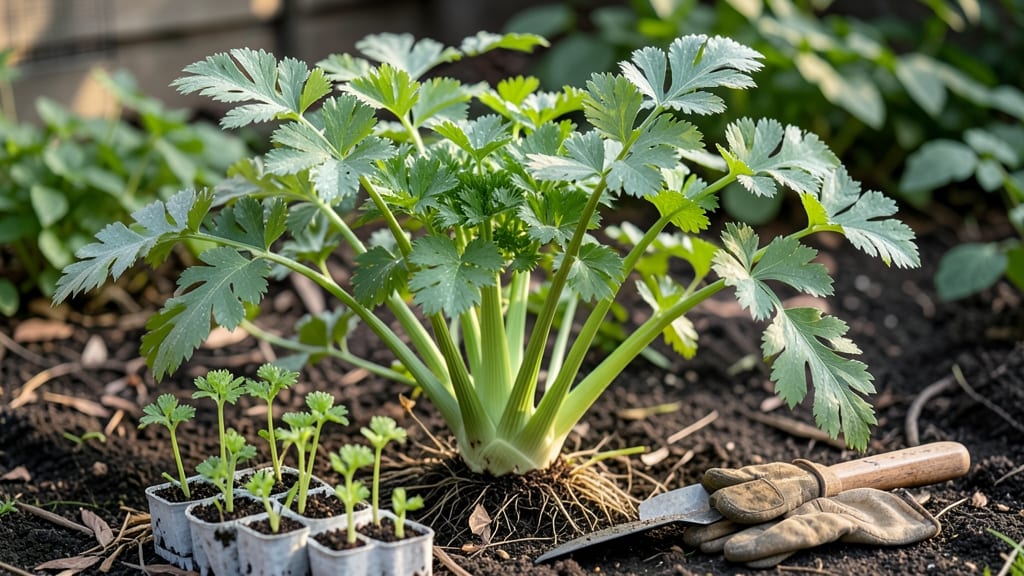
Planting celery in Louisiana might seem tricky with its sweltering summers, but timing is everything to grow crisp, flavorful stalks that actually thrive in 8a-9b zones. The key is planting during two distinct windows—early spring and late summer—when temperatures cooperate to prevent bolting or bitter flavors.
If you're wondering when to plant celery for the best harvests, mark your calendar for February-March and August-September. These months align perfectly with Louisiana's climate, giving your 🥬 the ideal balance of warmth and moisture it craves without overheating.
Skipping these windows risks stunted growth or plants that bolt before you can enjoy them.
What sets Louisiana apart is the need for heat-tolerant varieties that won’t wilt under the sun. I’ll share the top varieties that handle humidity and heat like pros, plus soil prep tricks to keep your celery thriving.
With the right approach, you can enjoy homegrown celery from May-June and again in October-November.
Ready to transform your garden? Let’s dive into the exact planting schedule, variety recommendations, and pro tips to make celery one of your easiest and most rewarding crops—no matter how hot it gets in the Bayou State.
Best months to plant celery in Louisiana’s climate zones
Louisiana’s USDA Zones 8a-9b create two distinct planting windows for celery—spring and late summer—each with unique temperature thresholds. Celery hates heat, so timing is everything to avoid bolting (premature flowering) or stunted growth.
The key is planting when daytime temps stay below 75°F and nights dip below 60°F.
For North Louisiana (Zones 8a), the primary window is February to early March, while South Louisiana (Zones 9a-9b) can start as early as January. The second window—August to mid-September—lets you enjoy fall harvests before winter arrives.
Let’s break down the exact timing for each zone to maximize your crisp, flavorful stalks.
| Zone & Region | Primary Planting Window | Secondary Window | Ideal Soil Temp | Key Risk |
|---|---|---|---|---|
| North LA (8a) | Feb 15 – Mar 15 | Aug 15 – Sep 15 | 50–65°F | Late frost or heat stress |
| Central LA (8b) | Jan 20 – Mar 10 | Aug 1 – Sep 10 | 55–70°F | Bolting in summer |
| South LA (9a-9b) | Jan 1 – Feb 28 | Jul 20 – Aug 31 | 60–75°F | Humidity + heat |
If you’re in North Louisiana, aim for seedlings by February 15 to avoid late frosts that can damage tender celery roots. Use row covers if temps dip below 30°F.
For South Louisiana, January planting gives you a head start, but monitor soil temps—below 50°F slows germination.
For the late-summer window, August is your last chance before Louisiana’s 90°F+ afternoons trigger bolting. Start seeds indoors in July and transplant seedlings by August 15 to give them time to establish before winter. This strategy lets you harvest October–November, just in time for holiday meals.
Pro tip: Succession planting every 2–3 weeks in spring extends your harvest. For example, if you plant February 1, 15, and 28, you’ll have continuous celery from May through July. This works in both zones but requires consistent moisture—a must in Louisiana’s humid heat.
One common mistake? Planting too late in spring. By April 15, daytime temps often exceed 80°F, causing celery to bolt or develop bitter, tough stalks. Use a shade cloth (30–50%) if you must plant in late spring, but late summer is your safer bet.
For container growing, adjust timing by 2 weeks earlier—pots heat up faster. Place containers in partial shade during peak afternoon sun (12 PM–4 PM) to protect roots. In South Louisiana, this might mean moving pots to a garage or patio during the hottest months.
Always check your local cooperative extension service for microclimate adjustments. For example, New Orleans (Zone 9a) can handle January planting, while Shreveport (Zone 8a) may need to wait until March. Timing is everything—get it right, and you’ll enjoy crisp, homegrown celery year-round.
Ready to plant? Grab your heat-tolerant varieties next—we’ll cover the best options in the next section! 🥬
Best months to plant celery in Louisiana’s climate zones
Louisiana’s USDA zones 8a-9b create two distinct planting windows for celery—each designed to avoid the state’s brutal summer heat. The first window is February through March, when daytime temperatures hover between 60°F-75°F, perfect for seed germination and early growth.
This aligns with Louisiana’s last frost date (March 15), giving you a head start before summer’s intensity peaks.
For a second harvest, aim for August through September planting. This late-summer window takes advantage of cooling trends as fall approaches, with nights dropping into the 60s°F by October. Both windows avoid the 90°F+ days that trigger bolting (flowering) and bitter flavors in celery.
Northern Louisiana (e.g., Shreveport) has slightly cooler microclimates, allowing for January plantings with row covers to protect against late frosts. Meanwhile, southern regions (e.g., New Orleans) can extend spring planting into early April without risking heat stress.
| Zone & Region | Primary Planting Window | Secondary Window | Key Temperature Threshold |
|---|---|---|---|
| North (8a): Shreveport, Monroe | Jan 15 - Mar 1 | Aug 15 - Sep 15 | >78°F triggers bolting |
| Central (8b): Baton Rouge, Lafayette | Feb 15 - Mar 15 | Aug 1 - Sep 10 | Night temps <60°F ideal |
| South (9a-9b): New Orleans, Lake Charles | Feb 28 - Apr 15 | Aug 20 - Sep 30 | >80°F risks heat stress |
Succession planting every 2-3 weeks within these windows extends your harvest. For example, start a new batch in late February, then again in early March to stagger maturity. This technique ensures a continuous supply of celery from May through June and again in October-November.
Pro tip: Monitor soil temperatures—celery prefers 55°F-75°F for germination. Use a soil thermometer to confirm readiness before sowing seeds directly. In Louisiana’s heat, soil can spike to 90°F+ even when air temps feel mild, stalling germination.
For container growers, these same windows apply, but use larger pots (12"+ diameter) to accommodate the plant’s shallow root system. Place containers in partial shade during summer afternoons to prevent wilting.