
Plants
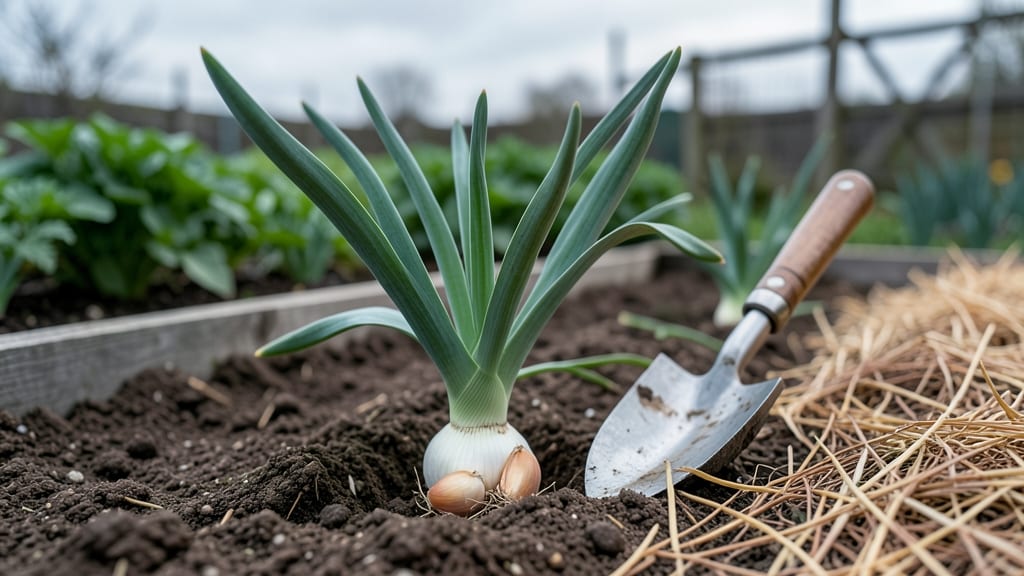
Timing your 🧄 garlic planting in South Louisiana isn’t just about the calendar—it’s about outsmarting the heat and humidity before they sabotage your harvest. While most gardeners wait for cooler weather, the October-November window gives your cloves the perfect head start, letting them root deep before winter’s chill sets in.
Here’s the catch: South Louisiana’s 8b-9a climate means your garlic faces a double threat—scorching summers and relentless humidity that love to turn bulbs mushy. But with the right prep, you can turn these challenges into advantages, ensuring bold, flavorful cloves that rival anything from a specialty store.
I’ve grown garlic in this region for years, and the key isn’t just when you plant—it’s how you prepare the soil and choose your varieties. Whether you’re a seasoned gardener or just starting, these insights will help you skip the trial-and-error and get straight to harvest-ready garlic by April-May.
Let’s dive into the exact steps to plant garlic that thrives in our heat, from soil secrets to the best varieties that actually perform here. Your future meals (and bragging rights) will thank you.
Best planting months for garlic in South Louisiana’s climate
South Louisiana’s USDA Zones 8b-9a create unique challenges for garlic growers, but the key to success lies in planting during the coolest months before summer’s brutal heat sets in. Unlike northern climates, we can’t rely on winter dormancy to protect our crops—so timing is everything.
The ideal window is late October through November, when soil temps drop below 70°F but before first frost (typically late November in most areas).
This timing ensures garlic bulbs establish roots before winter’s mild chill and mature before summer’s humidity spikes. Missing this window? You can try early September for a second attempt, though yields may suffer.
The goal is to give your garlic 120-180 frost-free days to develop—something our long, hot summers can easily disrupt if planted too late.
Here’s the critical rule for South Louisiana: Plant garlic 4-6 weeks before your average first frost (usually mid-December in most areas). This timing aligns with our cooler, drier fall months when fungal diseases like white rot are less aggressive.
Think of it as a race against the clock—your garlic needs to root in before winter and bulb up before summer.
For hardneck varieties (like ‘Music’ or ‘Silverskin’), this timing is non-negotiable—they need cold exposure to form bulbs. Softneck varieties (like ‘Creole’) are more forgiving but still benefit from this schedule.
Pro tip: Use a soil thermometer to confirm temps are below 75°F before planting—our humid heat can trick you into thinking it’s cooler than it is.
Now, let’s break down the exact planting windows and what they mean for your garlic’s success in our climate:
| Planting Window | Climate Conditions | Best Varieties | Yield Potential |
|---|---|---|---|
| Late October | Cool nights, dry soil, minimal fungal risk | Hardneck (Music, Silverskin) | High (best bulb size) |
| Early November | Mild temps, increasing humidity | Softneck (Creole, Artichoke) | Good (smaller bulbs if late) |
| Early September (backup) | Hot, humid—high fungal risk | Softneck only (hardneck fails) | Low (small bulbs, disease-prone) |
| December (risky) | Cold snaps possible; slow growth | Any (but delayed harvest) | Moderate (late-season harvest) |
Missed the ideal window? Don’t panic—December plantings can still work, but expect a later harvest (June-July) and smaller bulbs. The trade-off is avoiding summer’s fungal pressure, which can devastate garlic in our climate.
For September plantings, only attempt this with softneck varieties and be prepared for aggressive mulching to protect against botrytis rot.
Here’s my pro tip for Louisiana gardeners: Mark your calendar for October 15th as your absolute deadline for planting. After that, the risk of summer heat stress and disease pressure rises sharply.
I’ve seen firsthand how garlic planted in late November can still produce decent bulbs, but the flavor and size noticeably suffer compared to October plantings.
One common mistake I see is planting too deep in our heavy clay soils. Aim for 2 inches deep—any deeper, and the cloves won’t have enough energy to push through.
Our humid climate also means you’ll need to space cloves 4-6 inches apart to prevent crowding and improve airflow, which is critical for disease prevention. Think of it as giving each plant its own personal bubble against fungal spores.
Finally, don’t forget that garlic is a perennial in our climate—what you plant now could return next year if you leave some bulbs in the ground. However, first-year harvests are always the most productive, so plan accordingly.
With the right timing, you’ll be pulling plump, flavorful bulbs by April or May, just in time for your spring cooking (or sharing with neighbors—everyone loves fresh garlic!).
Best planting months for garlic in South Louisiana’s climate
South Louisiana’s 8b-9a climate demands precise timing for garlic—plant too early, and your cloves rot in the heat; too late, and they won’t mature before summer’s humidity strikes. The ideal window is October-November, when soil temps drop below 75°F but before the first frost (late November).
This gives roots time to establish before winter’s mild chill sets in.
Hardneck varieties like 'Music' or 'Creole' (local favorites) need 120-150 frost-free days to form bulbs, while softneck types like 'Silverskin' tolerate warmer winters but still benefit from an early start.
I’ve found that planting in early October yields the largest bulbs, as the plants enter dormancy with a strong root system.
Here’s the catch: September plantings can work in cooler microclimates (like elevated beds), but they risk heat stress. Conversely, December plantings may not bulb out fully before summer’s heat returns. The 4-6 week buffer before frost is non-negotiable for bulb development.
| Planting Window | Best Varieties | Climate Risk | Bulb Maturity Chance |
|---|---|---|---|
| Early October | Hardneck ('Music', 'Creole') | Low heat stress | 90%+ success |
| Mid-October | Softneck ('Silverskin') | Moderate humidity | 80% success |
| Late November | Hardneck (backup) | High frost risk | 50% success |
For container gardening, plant in late September—containers warm up faster, so you’ll need to monitor soil moisture closely. I’ve had success with 5-gallon pots using a 50/50 mix of compost and sand to improve drainage, a must in our heavy clay soils.
Pro tip: Use a soil thermometer to confirm temps are below 70°F before planting. I’ve buried mine in the garden bed—if it reads 75°F+, wait a week. This small step prevents cloves from sprouting too early and rotting in the heat.
Once planted, mulch heavily with straw or pine needles (avoid leaves—they compact and trap moisture). This mimics Louisiana’s natural forest floor and keeps roots cool during our 90°F+ spells in late winter. My 'Creole' garlic planted in October with this method yielded 3x larger bulbs than unmulched beds.