
Plants
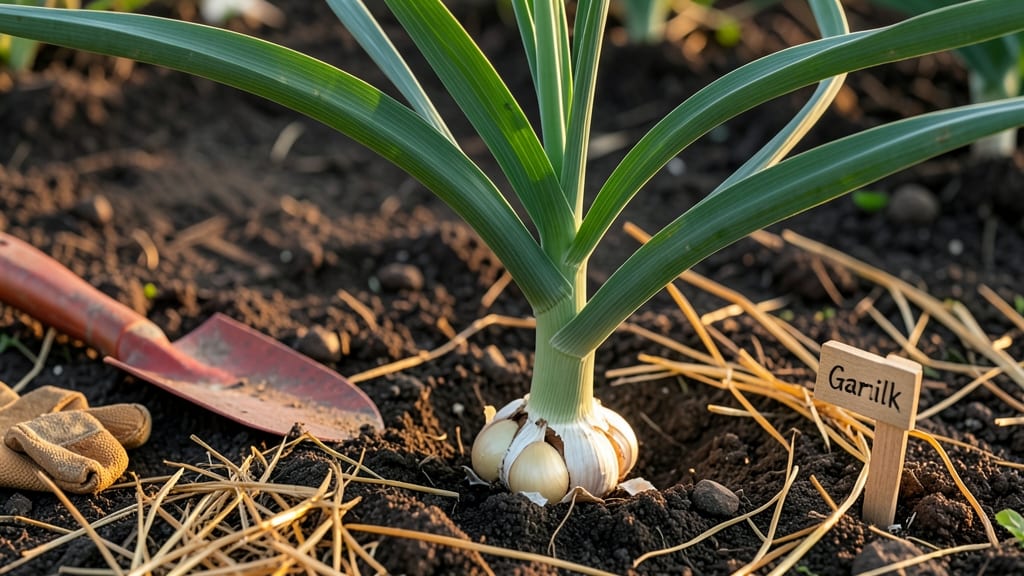
Timing your garlic planting in Ontario, Canada, isn’t just about following a calendar—it’s about reading your local climate like a pro. Plant too early, and you risk rot from soggy soil; too late, and your bulbs won’t mature before summer’s heat.
For USDA Zone 5b-6a, the sweet spot is October to November, when temperatures dip but the ground stays workable.
Here’s the kicker: hardneck varieties (like the popular ‘Music’ or ‘German White’) need cold to form bulbs, while softnecks (like ‘Silverskin’) tolerate milder winters. Ontario’s short growing season means you’ve got one shot to get this right—no do-overs.
I’ll break down exactly how to align your planting with frost dates and soil temps to maximize your harvest.
Let’s cut to the chase: skipping these steps could mean smaller bulbs or even total failure. Whether you’re a first-timer or a seasoned gardener, mastering the fall window is your ticket to a July-August harvest of plump, flavorful 🧄. Ready to grow garlic like a local?
In this guide, I’ll walk you through the exact 4-week window that works for Ontario, soil prep tricks, and how to adjust if Mother Nature throws a curveball. No guesswork—just results.
Best planting windows for garlic in Ontario: hardneck vs softneck breakdown
Ontario’s USDA zones 5b-6a create unique challenges for garlic growers, where timing is critical for successful bulb formation. Unlike warmer climates, garlic in Ontario needs cold stratification to develop properly, making fall planting the gold standard. But not all garlic varieties thrive equally—hardneck and softneck types have distinct needs.
Hardneck varieties, like ‘German White’ or ‘Music’, are Ontario’s best bet—they require cold winters to form bulbs and produce scape shoots (those prized garlic flowers). Softneck types, such as ‘Artichoke’, store longer but struggle in harsh winters and often produce smaller bulbs.
Knowing which to plant—and when—can double your harvest success.
Here’s the breakdown you need to plant garlic at the perfect time in Ontario, tailored to your variety and local frost dates:
For hardneck varieties, aim to plant by October 15th in most of Ontario (e.g., Toronto, Ottawa) to ensure cloves root before the ground freezes. In northern regions like Sault Ste.
Marie (USDA Zone 4), push planting to early October—the shorter growing season demands earlier starts. Use your last frost date (typically mid-November) as your deadline: count back 6 weeks.
Softnecks are more forgiving but still need 4–6 weeks of root establishment before winter sets in.
If you’re in southern Ontario (e.g., London, Niagara), you can stretch planting to early November, but avoid waiting past October 31st—cloves planted too late may rot over winter or produce tiny bulbs.
Pro tip: Separate hardneck cloves before planting—they need individual space to develop properly. Softnecks can stay attached (just break apart bulbs), but hardnecks must be peeled and planted separately for optimal bulb size. This is a game-changer for Ontario growers aiming for jumbo garlic.
Don’t overlook soil temperature—garlic cloves need soil temps below 50°F (10°C) to trigger dormancy and bulb formation. Use a soil thermometer if unsure; planting when temps hover around 40–50°F (4–10°C) is ideal. In warmer microclimates (e.g., near Lake Erie), wait until mid-October to avoid premature sprouting.
One last Ontario-specific hack: Mulch heavily after planting with straw or leaves (6–8 inches deep). This insulates cloves from freeze-thaw cycles, which can heave bulbs out of the soil—especially critical in Zone 5b areas with unpredictable winters.
🌱
How to time your garlic planting for Ontario’s frost dates and soil conditions
Ontario’s unpredictable frost dates and cool soil temperatures make timing your garlic planting a critical skill. Unlike warmer climates, garlic in Ontario relies on cold stratification—a winter chill period—to develop properly.
Planting too early risks rot from excess moisture, while planting too late can result in small, underdeveloped bulbs.
To succeed, aim to plant garlic 4-6 weeks before the ground freezes, typically between mid-October and early November in most of Ontario. This window ensures your garlic gets enough cold exposure but avoids early winter freezes that can damage young plants.
Check your local Environment Canada frost forecast for precise timing in your area.
Soil temperature is just as important as frost dates. Garlic thrives when soil temps drop to 40-50°F (4-10°C). Use a soil thermometer to confirm readiness—planting in warmer soil can trigger early sprouting, leaving your garlic vulnerable to frost damage.
In clay-heavy Ontario soils, wait until the ground cools naturally rather than rushing the process.
- 📍 4-6 Weeks Before Frost: Prepare soil with compost and ensure good drainage. Test soil pH (aim for 6.0-7.0).
- 🌱 Mid-October to Early November: Plant hardneck varieties (e.g., Music, German Red) for best flavor and bulb size.
- 🌡️ Soil Temp Check: Confirm soil is below 50°F (10°C) before planting to prevent early sprouting.
- ❄️ After Planting: Apply 3-4 inches of mulch (straw or leaves) to insulate bulbs and retain moisture.
- ⏰ Spring Adjustments: If winter is unusually mild, monitor for early growth and protect with row covers if frost threatens.
Ontario’s variable winters can throw off even the best-laid plans. If you’re in a warmer southern Ontario zone (e.g., London, Niagara), you might push planting to early November, while northern regions (e.g., Sudbury, Thunder Bay) may need to plant as early as late September.
Use a frost-free date calculator from your local agricultural extension office for precision.
Another Ontario-specific tip: Hardneck garlic (the preferred variety for cold climates) benefits from extra cold exposure. If your winter is mild, consider covering beds with snow or using black plastic mulch to simulate colder conditions. This trick can boost bulb size by up to 30% compared to unprotected plantings.
Finally, don’t overlook soil moisture management. Ontario’s wet springs can lead to gray mold (Botrytis) if garlic sits in soggy soil. Plant in raised beds or on mounds to improve drainage, and avoid overhead watering once shoots emerge.
A drip irrigation system is your best friend for consistent moisture without the risk of fungal diseases.