
Plants
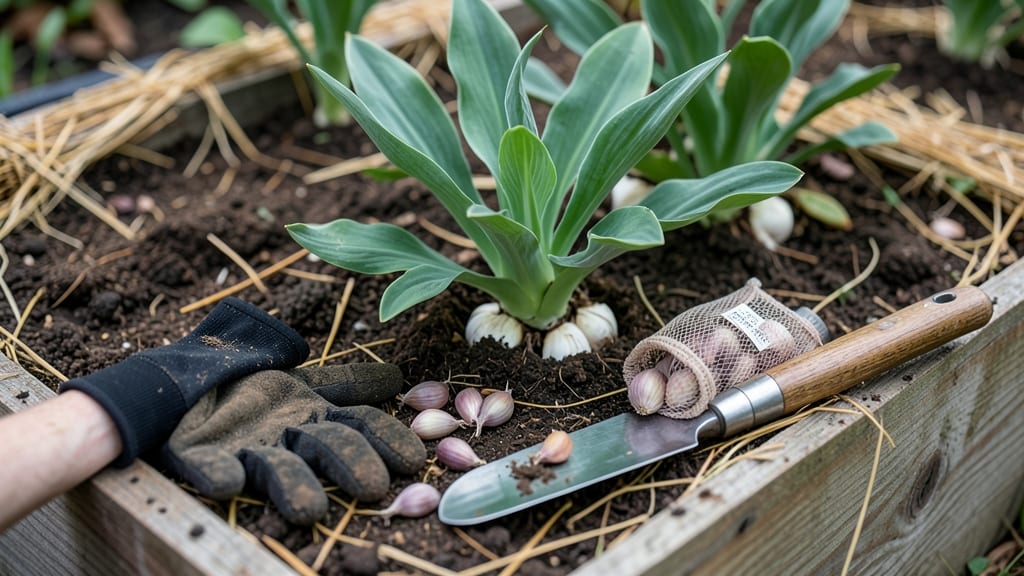
Timing your 🧄 garlic planting in WV isn’t just about the calendar—it’s about outsmarting West Virginia’s unpredictable frost and giving those cloves the perfect chilly start. Plant too early, and your garlic might bolt or rot; too late, and winter’s freeze could stall growth entirely.
The 6-week window between October and November exists for a reason, and missing it could mean smaller bulbs—or no harvest at all.
Here’s the secret: hardneck varieties, the flavorful favorites for braiding and roasting, thrive when planted 4-6 weeks before the ground freezes. That means if your last frost hits around mid-October (like in Zone 6a), you’ve got until early November to get those cloves in the soil.
But don’t stress—even if your neighbors swear by December planting, the real magic happens when the soil cools but doesn’t lock up.
Why does this matter? Because garlic needs cold to form bulbs, and West Virginia’s climate gives you just the right balance. Too much warmth in fall, and your plants will grow leaves but skip bulb development.
Too cold too soon, and they’ll go dormant before establishing roots. The key is finding that sweet spot where the soil is workable but the air is crisp—exactly what October-November delivers.
In this guide, I’ll walk you through the exact dates, soil prep tricks, and hardneck vs. softneck strategies to ensure your garlic gets off to the right start.
Whether you’re a first-time planter or a seasoned gardener, these insights will help you avoid common WV mistakes and grow the biggest, boldest bulbs your garden’s ever seen.
Best planting dates for garlic in West Virginia (Zone 6-7)
Timing your garlic planting in West Virginia is all about capturing that sweet spot between first frost and soil freezing. Since WV falls in USDA Zones 6-7, your window is tight—typically October to mid-November.
Plant too early, and your garlic may bolt; too late, and it won’t establish roots before winter dormancy. The key is 4-6 weeks before the ground freezes, which usually lands in late October for most of the state.
For hardneck garlic (the variety that produces scapes), aim for early October. These varieties need a long, cold winter to form bulbs, and WV’s climate delivers. Softneck garlic, on the other hand, is more flexible and can handle slightly later plantings—think mid-October to early November.
However, softneck varieties won’t develop the same robust flavor without a proper cold period.
West Virginia’s microclimates add another layer of complexity. In the Appalachian Mountains, where winters are colder and arrive earlier, shift your planting to September’s end. Meanwhile, in the Piedmont region, where winters are milder, you might extend planting into early December.
Always check your local last frost date—most WV gardeners rely on October 15 as a general guideline.
Here’s the golden rule: soil temperature should be below 40°F but not frozen when you plant. Use a soil thermometer to confirm—if the ground is too warm, your garlic may sprout too soon and get damaged by early frosts.
In WV, soil temps drop quickly in November, so don’t wait too long!
| Variety | Ideal Planting Window | Soil Temp Requirement | Cold Requirement |
|---|---|---|---|
| Hardneck Garlic | Early October | Below 40°F | 60-90 days below 40°F |
| Softneck Garlic | Mid-October to early November | Below 40°F | 45-60 days below 40°F |
| Both Varieties | 4-6 weeks before frost | Avoid frozen ground | WV’s climate provides enough cold |
🌱 Pro Tip: Adjust for elevation—higher areas (like the Alleghenies) need earlier planting.
If you’re unsure about your local frost dates, use historical data from nearby weather stations. For example, Charleston (Zone 7) typically sees its first frost around October 20, while Elkins (Zone 6) freezes by October 10.
Planting in late September is safer in colder zones, while November plantings work in milder pockets like the Northern Panhandle.
One mistake I see often is planting garlic in spring. While it can grow, it won’t develop the same bold flavor or large bulbs because it misses the critical cold period.
Spring-planted garlic is more prone to bolting (flowering prematurely), which diverts energy from bulb development. Stick to fall planting for the best results in WV.
For container gardening, you can extend your window slightly by using black plastic mulch to warm the soil. This lets you plant 1-2 weeks later than in-ground garlic, but you’ll still need to aim for before the first hard frost.
Just ensure your containers have drainage holes—garlic hates soggy roots!
Finally, don’t overlook soil preparation. Work in compost or well-rotted manure before planting to give your garlic a nutrient-rich start. WV’s clay-heavy soils in many areas benefit from sand or peat moss to improve drainage.
Aim for a pH of 6.0-7.0, as garlic thrives in slightly acidic to neutral soil.
With the right timing and prep, your WV garlic harvest in late June or July will be plump, flavorful, and worth the wait—just don’t let those cloves sit in the soil too long, or they’ll split! 🧄
How to time garlic planting for maximum yield in WV’s climate
Timing garlic correctly in West Virginia’s Zone 6-7 isn’t just about the calendar—it’s about leveraging the state’s cold winters and moderate summers to your advantage. Garlic thrives when exposed to vernalization (cold temperatures) during dormancy, which hardneck varieties especially need to form bulbs.
Plant too early, and your cloves may sprout before winter sets in; too late, and they won’t get enough cold exposure for optimal growth.
For hardneck garlic (the preferred choice for WV gardeners), aim to plant 4-6 weeks before the ground freezes, typically between mid-October and early November. This timing ensures cloves establish roots before winter dormancy begins.
Softneck varieties, while less cold-hardy, can tolerate slightly later planting—up to mid-November—but still benefit from early establishment.
Adjust your planting window based on elevation. Higher elevations (like those in the Appalachian Mountains) freeze earlier, so plant 2-3 weeks sooner than lower Piedmont regions.
Use your local USDA frost date as a guide: count backward from the first hard frost (usually mid-October in WV) to determine your ideal window.
Spring planting is a common mistake in WV, but it’s a gamble. Garlic planted in spring (March-April) often produces smaller bulbs because it misses the critical cold period. If you must plant in spring, use softneck varieties and expect a 50% yield reduction.
For best results, stick to fall planting—it’s the only way to grow large, flavorful bulbs in WV’s climate.
Pay attention to soil moisture after planting. While garlic is drought-tolerant once established, consistent moisture in late winter and early spring (February-March) encourages strong bulb formation. Avoid waterlogging, though—garlic hates soggy soil.
Once shoots emerge in early spring, reduce watering slightly to prevent fungal diseases like white rot, which thrives in WV’s humid conditions.
Finally, don’t forget to harvest at the right time—typically late June to July in WV. Look for brown lower leaves and papery stems as signs your garlic is ready. If left too long, bulbs may split or sprout, ruining your harvest.
With the right timing, you’ll enjoy homegrown garlic that’s sweeter and more robust than store-bought—worth the effort! 🌱