
Companion Plants
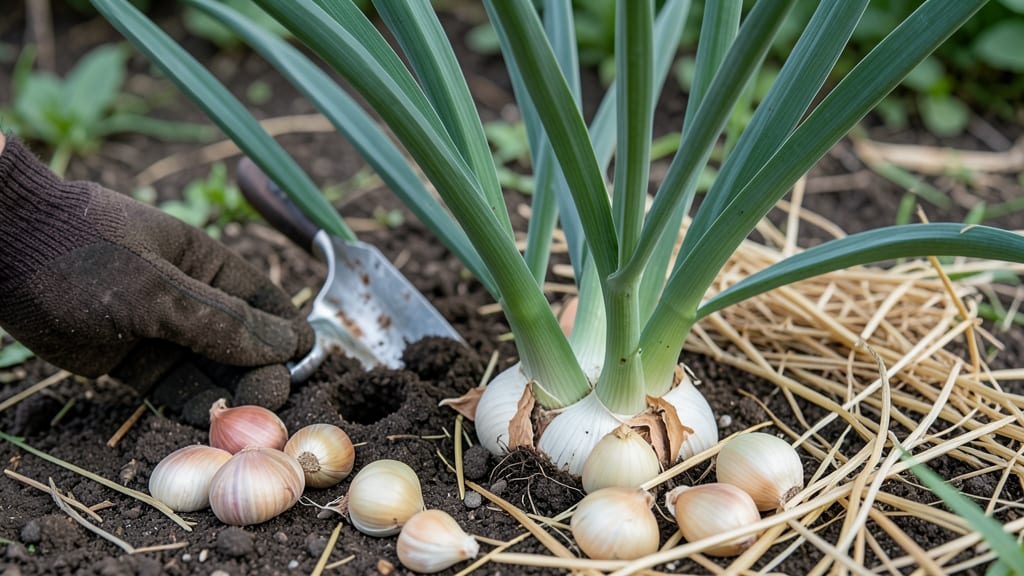
Planting garlic in Michigan at the wrong time can mean the difference between a thriving crop and a wasted effort—especially when frost dates shift unpredictably. If you’ve ever wondered why some gardeners swear by fall planting while others prefer spring, the answer lies in Michigan’s unique climate and hardiness zones.
For USDA zones 5b-6b, the ideal window is mid-October to early November, giving cloves time to root before winter sets in. But timing isn’t just about the calendar—it’s about soil temperature, frost patterns, and even moon phases.
Get it right, and you’ll harvest plump, flavorful bulbs by late June or July.
I’ll break down the exact steps to calculate your perfect planting window, from tracking frost dates to adjusting for early freezes. Whether you’re a seasoned gardener or just starting, these tips will help you avoid common mistakes and maximize your 🧄 garlic’s potential in Michigan’s challenging growing conditions.
Ready to grow bigger, healthier garlic? Let’s dive into the frost-date guide that’ll set you up for success—no guesswork required.
Michigan garlic planting zones: frost dates by region
Michigan’s diverse climate means your garlic planting window depends heavily on whether you’re in the Upper Peninsula, Northern Lower Peninsula, or Southern Lower Peninsula.
Each region has unique USDA hardiness zones and frost patterns that dictate the best time to plant hardneck garlic—the variety best suited for Michigan’s winters.
For most of Michigan (zones 5a-6a), the ideal planting window is mid-October to early November. This gives garlic cloves time to establish roots before the ground freezes, ensuring strong growth in spring.
However, Upper Peninsula gardeners in zone 4b should plant slightly earlier—by late September—to account for colder winters.
Spring planting is possible but riskier, with a narrow window of early March to mid-April before soil temperatures rise. Spring-planted garlic often yields smaller bulbs, but it’s a viable option if you missed the fall window or live in warmer microclimates like Detroit or Grand Rapids.
Key frost dates to remember:
- First frost: Typically late September to early October (earlier in the UP)
- Last frost: Usually mid-May (late April in the UP)
- Planting deadline: 4-6 weeks before ground freezes (soil temps below 28°F)
Using these frost dates as your guide ensures garlic cloves have enough time to root before winter dormancy. Missed the window? Don’t panic—spring planting can still work, but expect smaller yields.
| Region | USDA Zone | Fall Planting Window | Spring Planting Window | First Frost | Last Frost |
|---|---|---|---|---|---|
| Southern Lower Peninsula | 6a | Mid-October | Early March | Late September | Mid-May |
| Northern Lower Peninsula | 5b | Early October | Mid-March | Early October | Late May |
| Upper Peninsula | 4b | Late September | Late March | Mid-September | Early May |
The Upper Peninsula has the shortest growing season, so gardeners there should prioritize early planting and cold-hardy varieties like Chesnok Red or German White. Meanwhile, gardeners in zone 6a (like those in Kalamazoo or Lansing) have a slightly longer window to plant in fall.
Pro tip: Use a soil thermometer to confirm when soil temps drop below 28°F. This is your cue to stop planting—garlic cloves won’t survive freezing soil. If you’re unsure about your local frost dates, check the Michigan State University Extension or your county’s Almanac for precise data.
Remember, hardneck garlic is the star of Michigan gardens because it thrives in cold winters. Softneck varieties (like Silverskin) struggle in our climate and are better suited for warmer regions. Stick with hardnecks for the best results!
Once you’ve nailed down your planting window, the next step is preparing your soil and cloves. Well-draining, fertile soil is key—garlic hates soggy conditions, which can lead to rot.
We’ll cover soil prep and clove selection in the next section, but for now, mark your calendar for mid-October and get ready to plant!
How to calculate your exact garlic planting window
Determining the perfect planting window for garlic in Michigan isn’t just about checking a calendar—it’s about understanding your local frost patterns, soil temperatures, and even lunar cycles.
Since Michigan’s climate varies dramatically from the Upper Peninsula to southern regions, I’ll walk you through a foolproof method to pinpoint your ideal dates.
First, note your average first frost date. In most of Michigan, this falls between late September and early October, but the Upper Peninsula can see frost as early as mid-September. Planting garlic 4-6 weeks before this date ensures cloves establish roots before winter sets in.
Next, check your soil temperature. Garlic thrives when soil is between 40°F and 50°F at planting time. Use a soil thermometer to confirm—if temperatures are still above 50°F, wait a few more days. Cold soil speeds up root development, giving your garlic a head start.
For urban gardeners, microclimates can shift planting windows by 1-2 weeks. If you’re near large bodies of water or in a heat island (like downtown Detroit), your frost dates may arrive 10-14 days later than rural areas.
Always err on the side of planting earlier—garlic can handle light frosts once rooted, but soggy soil in late fall will stunt growth.
Pro tip: Mark your calendar with two backup dates—one for your primary window and another 10 days later in case of unexpected warm spells. Michigan’s weather is unpredictable, and flexibility is key to avoiding frost-heaved cloves or rotten bulbs from winter moisture.
Finally, test your soil’s drainage before planting. Garlic hates soggy conditions, so amend heavy clay soil with compost or sand to prevent root rot. A well-drained bed ensures your garlic survives Michigan’s wet springs and snowy winters without stress.