
Companion Plants
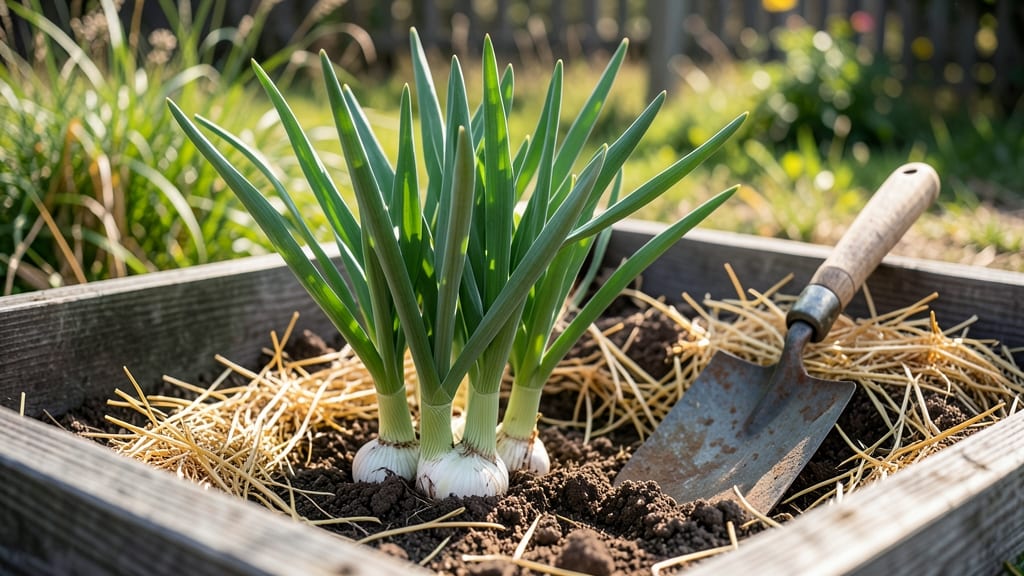
Timing garlic planting in Northeast PA isn’t just about the calendar—it’s about matching your 🧄 with the region’s 30-60 chill hours to guarantee those plump, flavorful bulbs next summer. Plant too early, and your garlic might bolt before winter; too late, and frost could stunt its growth.
In USDA Zone 6a, the sweet spot is October through mid-November, but knowing exactly when to pull the trigger depends on soil temps and local frost patterns.
Here’s the game-changer: Northeast PA’s short growing season means garlic planted in fall overwinters naturally, emerging stronger in spring. Think of it as a freezer preset—your garlic needs those cold weeks to develop properly. Skip this step, and you’ll end up with weak, pungent (but not flavorful) cloves.
I’ll walk you through how to sync your planting with the region’s unpredictable weather, so you’re not guessing whether your garlic will thrive or flop.
What if your October is unseasonably warm or your November brings early snow? Don’t panic—we’ll cover backup strategies, like adjusting for soil freeze dates or even a late-winter planting hack if Mother Nature throws a curveball.
Whether you’re a first-timer or a seasoned gardener, these tips will help you nail the timing and avoid the most common mistakes that leave gardens (and pantries) empty.
Ready to turn your Northeast PA garden into a garlic goldmine? Let’s break down the exact dates, soil prep secrets, and chill-hour math so you can plant with confidence—and harvest like a pro by next July.
How to determine the best planting time using chill-hour requirements
Northeast Pennsylvania’s USDA Zones 4-6 create unique challenges for garlic growers. Unlike warmer climates, our hardneck varieties require 30-60 chill hours to form bulbs properly. Without enough cold exposure, you’ll end up with small, weak cloves instead of the plump harvests you’re after.
Chill hours are calculated by tracking temperatures between 32°F and 45°F. Most of Northeast PA accumulates these hours naturally between November and February, but early planting ensures your garlic gets the full dose before spring growth kicks in.
To find your exact chill-hour total, check NOAA’s local climate data for your specific county. For example, Scranton averages 55 chill hours, while Wilkes-Barre hits 60+ hours. This data helps you adjust planting dates if winters are milder than usual.
Here’s how to use this information: Plant garlic when your region’s average first frost (mid-October) leaves 4-6 weeks before soil freezes solid. This window ensures roots establish before winter sets in.
For hardneck varieties like Rocambole or German White, aim for planting between early October and mid-November. Softneck varieties (less common in PA) can go in slightly later, but they won’t thrive as well in our climate.
| Variety Type | Chill Hours Needed | Best Planting Window | Notes for NE PA |
|---|---|---|---|
| Hardneck (Rocambole, German White) | 40-60 hours | Early Oct - Mid-Nov | Best for PA’s climate; produces scapes |
| Artichoke (Hardneck) | 30-40 hours | Late Oct - Early Nov | Tolerates slightly less chill; great for late winters |
| Softneck (Silverskin) | 20-30 hours | Mid-Nov - Early Dec | Less ideal for PA; may not bulb well |
If you’re unsure about your local chill hours, plant in early October as a safe bet. This gives your garlic time to root before winter, even if the season is unpredictable. Mulch heavily with straw or leaves to protect cloves from freeze-thaw cycles.
Remember: Garlic planted too late may not get enough cold exposure, while early planting risks premature sprouting before winter. Balance is key—aim for 6-8 weeks before ground freeze for optimal results.
For gardeners in higher elevations (like the Poconos), push planting to early October to account for earlier frosts. Lower elevations (like Wilkes-Barre) can wait until mid-November if winters are mild.
Pro tip: Use a soil thermometer to confirm when temps drop below 40°F consistently. This is your cue to mulch and let nature do the rest.
Optimal planting dates for Northeast PA hardneck garlic varieties
In Northeast Pennsylvania, where USDA Zone 6a winters bring early freezes, timing your garlic planting is everything. The sweet spot for hardneck varieties like Rocambole or German White is between early October and mid-November.
This window ensures bulbs get the 4-6 weeks of cool soil needed before winter sets in.
For Purple Stripe or other hardnecks, aim to plant when soil temps drop to 40-50°F. This usually aligns with late October in most of NE PA, giving roots time to establish before the ground freezes.
Check local frost dates—most areas experience their first hard freeze by mid-December, so don’t wait too long!
Adjust your timing based on early vs. late winters. If your area had an early freeze in 2022, push planting to September’s end. Conversely, if winters are milder (like in Poconos vs. Scranton), you might extend planting until early November.
Always use cloves from organic garlic—they’re hardier and less likely to rot in cold soil.
Pro tip: Plant shallots alongside garlic in the same window—they thrive in similar conditions and deter pests. Both crops benefit from well-draining soil with a pH of 6.0-7.0. Work in compost before planting to improve texture and fertility.
If you miss the fall window, don’t despair! You can still plant garlic in early spring (March), but bulbs will be smaller. Spring-planted garlic needs consistent moisture and fertile soil to compensate for the shorter growing season. Just be prepared to harvest 2-3 weeks earlier than fall-planted varieties.
Remember: Garlic planted in fall overwinters naturally in NE PA’s climate, emerging in spring ready to grow. The key is timing the soil freeze—not the air temperature. Use a soil thermometer to confirm conditions before planting. With the right timing, you’ll enjoy plump, flavorful bulbs by July!