
Trees
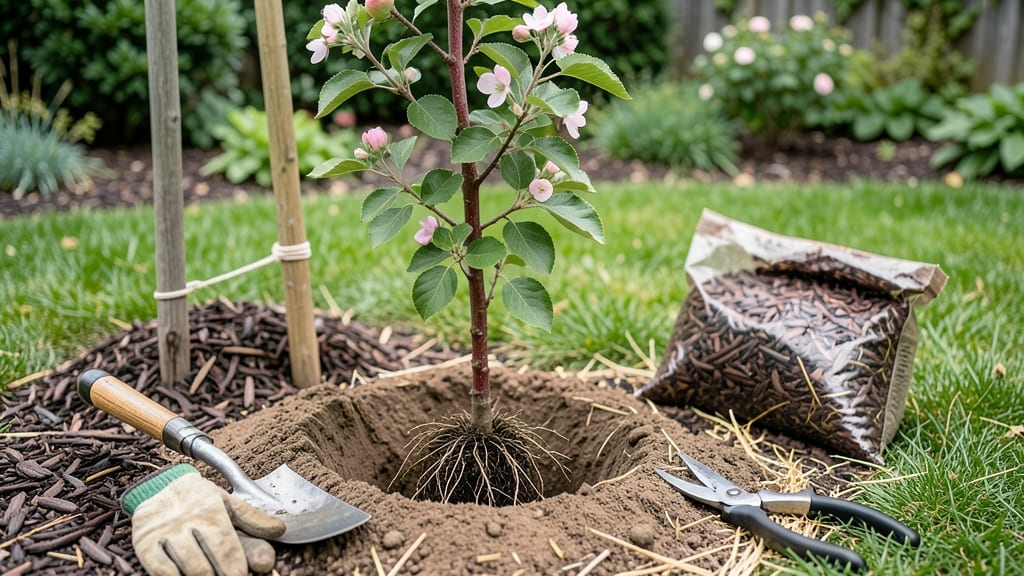
Planting an apple tree 🍎 in New Jersey isn’t just about grabbing a sapling and sticking it in the ground—it’s about timing it right to give your tree the best shot at thriving in your 6a-7b climate zone. Get the months wrong, and you could end up with a tree that struggles to produce fruit or even dies before it gets a chance to grow.
Here’s the secret: New Jersey’s chill-hour requirements mean some apple varieties need 400+ hours of winter cold to set fruit properly, while others thrive with 900+ hours. Planting at the wrong time—like too late in fall or too early in spring—can throw off your tree’s entire growing cycle.
But don’t worry, I’ll break down the best months to plant based on your specific variety and local frost dates.
Whether you’re dreaming of juicy Honeycrisp apples or hardy Liberty trees that can handle NJ’s winters, knowing when to plant is the first step to a fruitful harvest.
I’ll walk you through the ideal planting windows, soil prep tips, and even common mistakes to avoid—so you can set your apple tree up for success from day one.
Ready to turn your backyard into an orchard? Let’s dive into the exact timing and care tips that’ll have your apple tree 🍎 growing strong and producing delicious fruit for years to come.
Best planting months for apple trees in NJ by chill-hour requirements
New Jersey’s climate—spanning USDA Zones 6a–7b—offers two prime windows for planting apple trees: late winter to early spring (February–April) or fall (October–November). The best choice depends on your tree’s chill-hour needs and whether you’re planting bare-root or container-grown varieties.
For NJ, most apple trees require 400–900 chill hours, with cooler northern regions needing the higher end.
Spring planting (March–April) is ideal for bare-root trees because the ground thaws, and roots can establish before summer heat. Fall planting works for container-grown trees or if you’re in southern NJ (Zone 7b), where winters are milder.
The key? Plant before the buds break in spring or 6 weeks before first frost in fall.
Here’s how NJ’s chill-hour zones break down for popular varieties:
| Variety | Chill-Hour Needs | Best Planting Window | NJ Zone Fit |
|---|---|---|---|
| Honeycrisp | 800–900 | Early spring (March) | Zones 6a–7a (northern NJ) |
| Liberty | 400–600 | Fall (October) or spring | Zones 6a–7b (all NJ) |
| McIntosh | 600–700 | Early spring (March) | Zones 6a–7a |
| Gala | 500–600 | Fall (October) or spring | Zones 6a–7b |
| Cortland | 600–700 | Early spring (March) | Zones 6a–7a |
For northern NJ (Zones 6a–6b), prioritize varieties like Honeycrisp or McIntosh, which thrive with 800+ chill hours. In southern NJ (Zone 7b), Liberty or Gala are better bets—they tolerate warmer winters.
Always check the rootstock type too; dwarf varieties (e.g., M.9 or B.9) need fewer chill hours than standard trees.
If you’re planting in fall (October–November), do it 6–8 weeks before frost to allow roots to establish. Water deeply after planting, then mulch with 3–4 inches of wood chips to insulate roots.
Avoid fall planting in Zone 6a—winter dieback is a real risk if roots don’t harden off properly.
Spring planting (March–April) gives roots 6–8 weeks of warm soil before summer stress. Amend the soil with compost and a balanced fertilizer (10-10-10) at planting, then water deeply 2–3 times per week until established.
In NJ, late April is the absolute deadline for bare-root trees—buds will break, and the tree will struggle.
Pro tip: Use a soil thermometer to confirm soil temps are above 40°F before planting in spring. Cold soil slows root growth, and NJ’s unpredictable weather can delay warming. For container-grown trees, plant anytime the ground isn’t frozen—even June works, though fruit production may be delayed the first year.
Remember, chill hours ≠ frost tolerance. A tree like Honeycrisp might need 900 chill hours but can handle Zone 6a’s winters if planted correctly. The key is matching chill needs to your microclimate.
Check your local Cooperative Extension Service for precise chill-hour data—NJ’s urban vs. rural zones can vary by 100+ hours.
🌱
Best planting months for apple trees in NJ by chill-hour requirements
New Jersey’s chill-hour zones (ranging from 400–900 hours) dictate the best planting windows for apple trees. Most varieties thrive when planted in late winter to early spring, but fall planting is also viable for bare-root trees—just time it right to avoid winter dieback.
For spring planting (ideal for container-grown trees), aim for March or early April—after the last frost (mid-April in most of NJ) but before buds swell. This gives roots time to establish before summer heat stress.
Fall planting, on the other hand, should occur 6–8 weeks before the first frost (mid-November), typically in October.
Chill-hour requirements are critical: Varieties like Honeycrisp (800+ hours) need NJ’s warmer southern zones, while Liberty (400–600 hours) suits northern NJ’s cooler microclimates. Planting at the wrong time can delay fruit production by years—or worse, kill the tree.
| Planting Window | Best Months | Chill-Hour Range | Recommended Varieties |
|---|---|---|---|
| Spring | March–April | 600–900 hours | Honeycrisp, Fuji, Gala |
| Fall | October (before frost) | 400–700 hours | McIntosh, Cortland, Liberty |
| Year-Round | Container-grown trees | 500–800 hours | Dwarf varieties (e.g., 'Columnar') |
If you’re planting bare-root trees in spring, do it as soon as the soil thaws (typically February in southern NJ, March in the north). For container-grown trees, April is ideal—they adapt better to transplant shock in warmer soil.
Pro tip: Mulch heavily after planting to retain moisture and regulate soil temperature.
For fall planting, prioritize disease-resistant rootstocks like M.9 or B.9 to handle NJ’s humid summers. Water deeply once a week until the first frost, then reduce to monthly in winter. Avoid fertilizing in fall—it encourages tender growth that won’t survive winter.
Timing isn’t just about the calendar; it’s about microclimates. Coastal NJ (zone 7a) can plant 2 weeks later than inland areas (zone 6a).
Use a soil thermometer to confirm roots can grow (45°F+) before planting. Patience here pays off with larger fruit yields in years 3–5.