
Plants
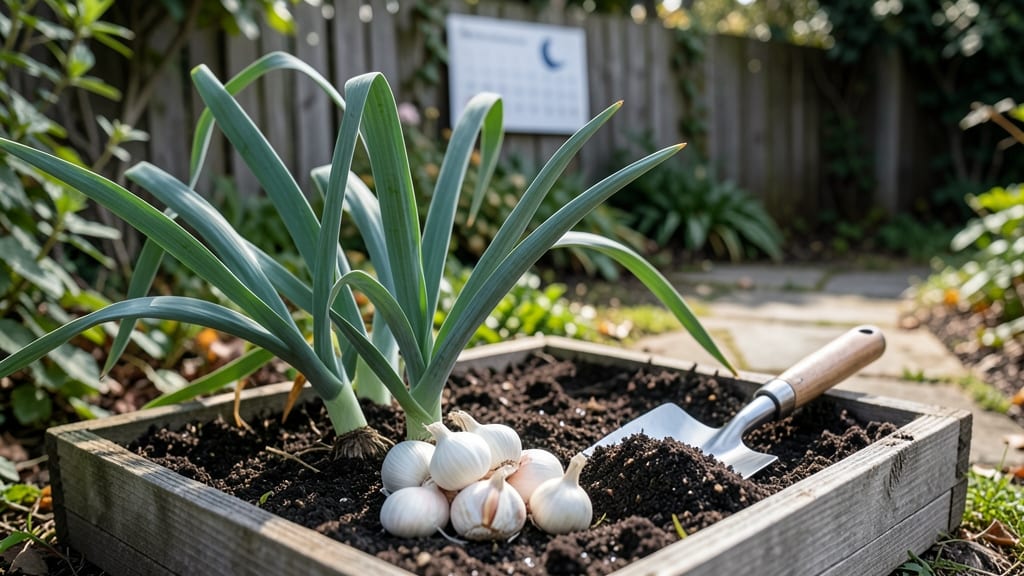
Timing your garlic planting in New York can mean the difference between a bountiful harvest and wasted effort—especially when balancing hardneck and softneck varieties for optimal growth.
If you've ever wondered why some gardeners swear by planting 🧄 in October while others prefer November, the answer lies in New York's unique climate. With USDA Zone 6a conditions, getting the timing right is everything for strong root development before winter sets in.
I'll break down exactly when to plant each variety, how to adjust for your specific region, and what to watch for to avoid common mistakes. Whether you're a first-time grower or a seasoned gardener, these insights will help you maximize your garlic yield next summer.
From soil prep to frost dates, we'll cover all the critical factors so you can confidently plant your garlic cloves and enjoy a flavorful harvest from July through August.
Best planting months for garlic in New York by variety type
New York’s USDA Zones 3–7 mean garlic planting timing varies slightly across regions, but fall planting is ideal for both hardneck and softneck varieties. The key is planting 4–6 weeks before the ground freezes—typically October to November—to allow roots to establish before winter dormancy.
Hardneck garlic, prized for its flavorful scapes, thrives in colder climates like Upstate NY, while softneck varieties, better for braiding, suit milder NYC winters.
For hardneck garlic, aim for mid-October to early November in most of New York. This gives bulbs time to root deeply before first frost (usually mid-October in the north, late October in NYC).
Softneck garlic, which stores longer, can tolerate slightly later planting—late September to mid-October—but avoid planting after November 1st to prevent poor bulb formation.
🌱
Soil temperature is critical—garlic cloves need 40–50°F soil temps to sprout. In Upstate NY, where winters hit earlier, plant by October 15th to avoid frost damage. In NYC or Long Island, you have until mid-November, but monitor forecasts for unexpected early frosts.
Use a soil thermometer to confirm readiness: if temps drop below 40°F, delay planting until conditions stabilize.
Pro tip: Hardneck varieties like ‘Music’ or ‘German White’ are best for Upstate’s colder winters, while softneck ‘Silverskin’ handles NYC’s milder winters better. Choose based on your last frost date—hardnecks need 60–90 days of cold to form bulbs, while softnecks tolerate shorter winters.
If you miss the fall window, spring planting is possible but yields are 50% smaller. Plant early March in NYC or late March in Upstate, but expect bolting (premature flowering) in hot summers.
For best results, stick to fall planting—it’s the only way to guarantee large, flavorful bulbs in New York’s climate.
🌿
For container growing, adjust timing by 1–2 weeks earlier—pots cool faster. Use well-draining soil and place containers in full sun (6+ hours daily). Hardneck garlic in containers may produce smaller bulbs but still yields edible scapes by June or July.
Always plant individual cloves, not whole bulbs, with the pointed end up and 4 inches deep. Space cloves 6 inches apart in rows 12 inches apart for airflow. Mulch with 4–6 inches of straw after planting to insulate roots during winter.
✂️
Best planting months for garlic in New York by variety type
New York’s USDA Zones 3–7 create unique challenges for garlic growers, where timing is everything. Hardneck varieties thrive when planted in October or early November, while softneck types need a slightly earlier start in September or October.
The key? Planting 4–6 weeks before the ground freezes—typically mid-November in most regions. This ensures roots establish before winter dormancy.
Hardneck garlic, like 'German White' or 'Music', requires cold vernalization to form bulbs.
Planting too late risks stunted growth, while softneck varieties, such as 'Silverskin', are more flexible but still benefit from early fall planting. NYC’s urban heat islands may extend planting windows slightly, but Upstate areas demand precision due to earlier frosts.
Soil temperature is your best guide: aim for 40–50°F at planting depth. Use a soil thermometer if unsure—cool but unfrozen soil is ideal. In Zone 3 (northern NY), plant by mid-October; in Zone 7 (Long Island), you have until early November.
| Variety Type | Ideal Planting Month | Key Notes for New York |
|---|---|---|
| Hardneck Garlic | October–Early November | Needs cold vernalization; plant 4–6 weeks before frost. |
| Softneck Garlic | September–October | More flexible; avoid late November planting in colder zones. |
| Organic Garlic | October (Zone 3–5) | Use compost-rich soil; extend window with row covers. |
| Elephant Garlic | td style="padding: 10px;">Late September–OctoberLarger cloves; plant 6+ inches deep in loose soil. |
For hardneck varieties, prioritize October planting—this ensures bulbs mature by July–August the following year. Softneck types, often used for braiding, can handle a September start but risk poor yields if planted after mid-October. NY’s variable weather means monitoring frost dates via local Cooperative Extension resources is critical.
Pro tip: Label your rows! Hardneck and softneck garlic have distinct harvest times—hardneck bulbs are ready in July, while softneck may linger until August or September. In Zone 4–5, consider straw mulch (4–6 inches) to insulate cloves and protect against freeze-thaw cycles.
If you miss the fall window, some gardeners attempt spring planting (March–April), but yields are 50–70% lower due to lack of vernalization. For reliable results, stick to fall—it’s the only guaranteed path to a full-sized harvest in New York’s climate. 🧄