
Plants
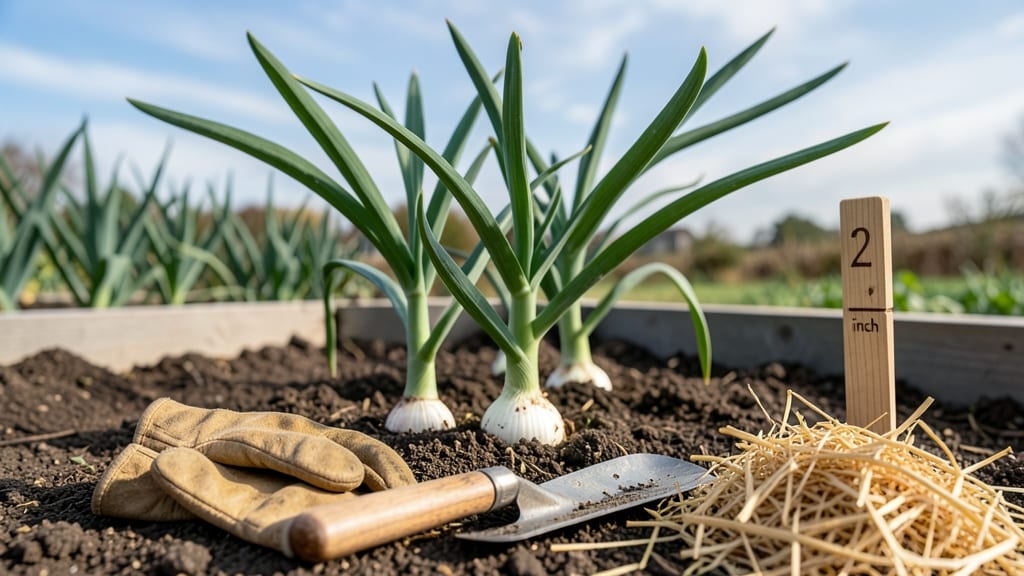
If you've ever wondered when to plant garlic in Connecticut, timing isn't just important—it's the secret to a harvest that makes your kitchen smell like a gourmet chef's dream.
Connecticut's 6a climate demands precision, and planting too early or late can turn your 🧄 hopes into a sad, frozen mess.
The magic window for Connecticut gardeners falls between October and November, when soil temperatures dip but the ground stays workable. This fall timing lets garlic establish roots before winter's chill, giving you the head start you need for next summer's harvest.
Skip spring planting—garlic planted then often bolts before bulbs mature.
But here's the twist: not all garlic is created equal. Hardneck varieties like Rocambole or Music thrive in Connecticut's winters, while softnecks struggle with our cold snaps. We'll break down which types perform best and how to adjust for your specific microclimate—whether you're near the coast or inland.
Ready to grow garlic that rivals the stuff at your favorite farm stand? Let's dive into the exact planting schedule, soil prep secrets, and variety recommendations that'll have you harvesting plump bulbs from July to August—just in time for your summer cooking adventures.
Best planting months for garlic in Connecticut: frost-free window explained
Garlic thrives in Connecticut’s USDA Zone 5-6, but the key to a successful harvest lies in planting at the right time. Unlike many vegetables, garlic is a fall-planted crop that needs cold weather to develop properly.
Planting too early can cause it to bolt (send up a flower stalk), while planting too late risks frost damage before roots establish.
The ideal planting window in Connecticut runs from mid-October to early November, giving garlic enough time to root before the ground freezes. This aligns with Connecticut’s average first hard frost date (mid-October) and last frost date (mid-November), ensuring your garlic gets the cold stratification it needs.
For coastal areas like New London or Groton, where winters are milder, you might push planting to early December. Inland regions like Hartford or Litchfield, with colder winters, should aim for late October to avoid early freezes. Always check your local Almanac frost dates for precision.
Garlic planted in September can still work if your soil stays warm, but it’s riskier—bolting becomes more likely. If you miss the fall window, spring planting is possible but less reliable for large bulbs, as Connecticut’s short growing season limits bulb development.
🌱 Connecticut Garlic Planting Timeline
| Stage | Action | Notes |
|---|---|---|
| Soil Prep | Test pH (6.0-7.0) | Add compost if needed |
| Planting | October-November | 4-6 weeks before frost |
| Winter | Mulch heavily | 6-8 inches of straw |
| Spring | Remove mulch | When soil thaws |
| Harvest | July-August | When lower leaves brown |
Hardneck varieties, like ‘Music’ or ‘German White’, are the best choice for Connecticut because they require cold temperatures to form bulbs. Softneck varieties (e.g., ‘Silverskin’) can also grow here but may produce smaller bulbs if winters are too mild.
Always plant individual cloves, pointed end up, 2 inches deep and 4-6 inches apart.
If you’re unsure about your local frost dates, use a soil thermometer to monitor temperatures. Plant when soil reaches 40-50°F—this ensures roots establish before winter sets in. For extra protection, add a layer of straw mulch (6-8 inches) after planting to insulate bulbs.
Remember, garlic is a perennial in mild winters, but Connecticut’s climate usually kills it back each year. This means you’ll need to replant annually, but the process becomes routine once you nail the October-November window. With the right timing, you’ll enjoy plump, flavorful bulbs by next summer!
Pro tip: Save seeds from your best bulbs for next year’s planting—Connecticut’s climate favors locally adapted garlic over store-bought varieties. Just let a few stalks flower and dry before storing the seeds indoors.
Hardneck vs. softneck garlic in Connecticut: which variety thrives best?
Connecticut’s cool winters and humid summers favor hardneck garlic over softneck, but both have their place in your garden. Hardneck varieties like Rocmak and Music thrive in our USDA Zone 6a climate, producing bold-flavored bulbs and shoot scapes (edible stems).
Softneck types, such as Silverskin or Artichoke, store longer but struggle with our freeze-thaw cycles. Let’s break down which excels where.
Hardneck garlic requires vernalization—a period of cold dormancy—to form bulbs, making it the ideal choice for Connecticut. Softneck varieties, however, lack this need and can be planted in fall or early spring, though they won’t perform as well in our climate.
If you’re growing for flavor and scapes, hardneck wins. For long-term storage, softneck might be worth a try—but expect smaller yields.
Here’s how they stack up in key categories for Connecticut gardeners:
Hardneck vs. Softneck Garlic in CT
For Connecticut’s climate, I recommend hardneck varieties like Rocmak or German White for their bold flavor and adaptability. If you’re experimenting, try softneck Artichoke for braiding and storage—but expect smaller bulbs and less cold tolerance.
Plant both in October for best results, and watch for scapes in June if growing hardneck!
Pro tip: Save seeds from your hardneck garlic—it won’t breed true, but you’ll get locally adapted plants over time. Softneck garlic, however, won’t reproduce in Connecticut’s climate, so buy fresh cloves yearly.
🌱